#legacy-artists
#legacy-artists
[ follow ]
#art-history #renoir #cezanne #art-theft #matisse #art-market #art-exhibition #exhibition #renaissance-art





Writing
fromwww.theguardian.com
3 weeks agoThe moment I knew: I was enchanted by her painting but we never spoke. I wouldn't see her again for 55 years
A man reconnects with a childhood classmate whose exceptional artistic talent impressed him decades earlier, leading to an unexpected reunion after 55 years of separation.
fromThe Art Newspaper - International art news and events
3 weeks agoGlassblower and porcelain heir Paul Arnhold on the art he loves to collect
Glass demands immediacy. Working at temperatures above 2,000°F leaves little room for overthinking, so the process becomes a kind of live dialogue between material, colour and chance. That same immediacy informs what I'm drawn to as a collector: works that carry a decisive gesture, a tactile presence, and the feeling that they could only exist in one form.
Miscellaneous
Canada news
fromThe Art Newspaper - International art news and events
3 weeks agoNational Gallery of Canada receives donation of 24 works from developer Bob Rennie
The National Gallery of Canada received 24 contemporary artworks from philanthropist Bob Rennie and his family, bringing total donations to 284 works since 2012.
fromHyperallergic
3 days agoThe Art World Is a Joke
Kamrooz Aram is everywhere this year, from Mumbai Art Week to the Whitney Biennial, and critic Aruna D'Souza is grateful. She pens a beautiful meditation on his work, reading his abstract paintings as not simply a denunciation of Western modernism nor a reassertion of Islamic visual motifs, but something else entirely - something gestural, exuberant, riotous, and incomparably his own.
Arts
Arts
fromThe Art Newspaper - International art news and events
3 days agoKeep it in the family: how Johannes Vermeer's paintings remained out of view for so long
Magdalena Pieters van Ruijven's collection of Vermeer paintings was unique in its preservation and scale, comprising nearly two-thirds of his known works.

Arts
fromThe Art Newspaper - International art news and events
3 days agoGagosian chooses Paris location to present three important late paintings by Francis Bacon
Three late paintings by Francis Bacon will be exhibited in Paris, showcasing his significant connection to the city and his artistic evolution.
#renoir
Paris food
fromThe Art Newspaper - International art news and events
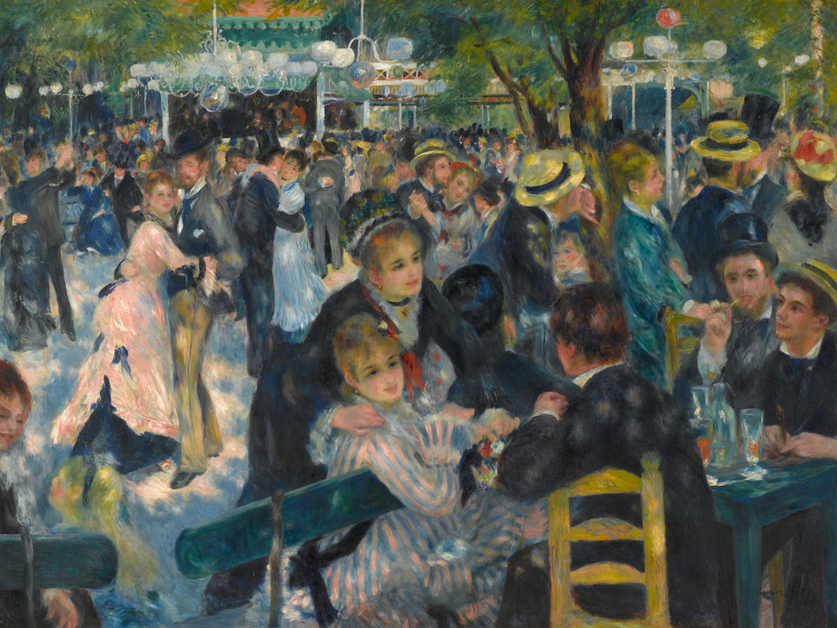
3 weeks agoTwo Renoir exhibitions at Musee d'Orsay explore the joy of human connection
Renoir was a resourceful, experimental artist whose early work capturing modern life established him as a founding Impressionist painter, though critics often dismiss his paintings as superficial without truly examining them.
Miscellaneous
fromThe Art Newspaper - International art news and events
1 month agoComment | Art is more than its original context
Understanding art's original context enriches appreciation, yet modern viewing conditions and lost contexts require adapting how we engage with artworks across different settings and time periods.


fromMy Modern Met
6 days agoBrooklyn Museum To Host Stunning Selection of Modernist Masterpieces This Fall
"This first pleasant experience with a modern painting started me on a road of adventure that has been both exhilarating and satisfying," Pearlman once said of another painting by Soutine, called Village Square. "I haven't spent a boring evening since that first purchase."
Arts

Paris food
fromwww.theguardian.com
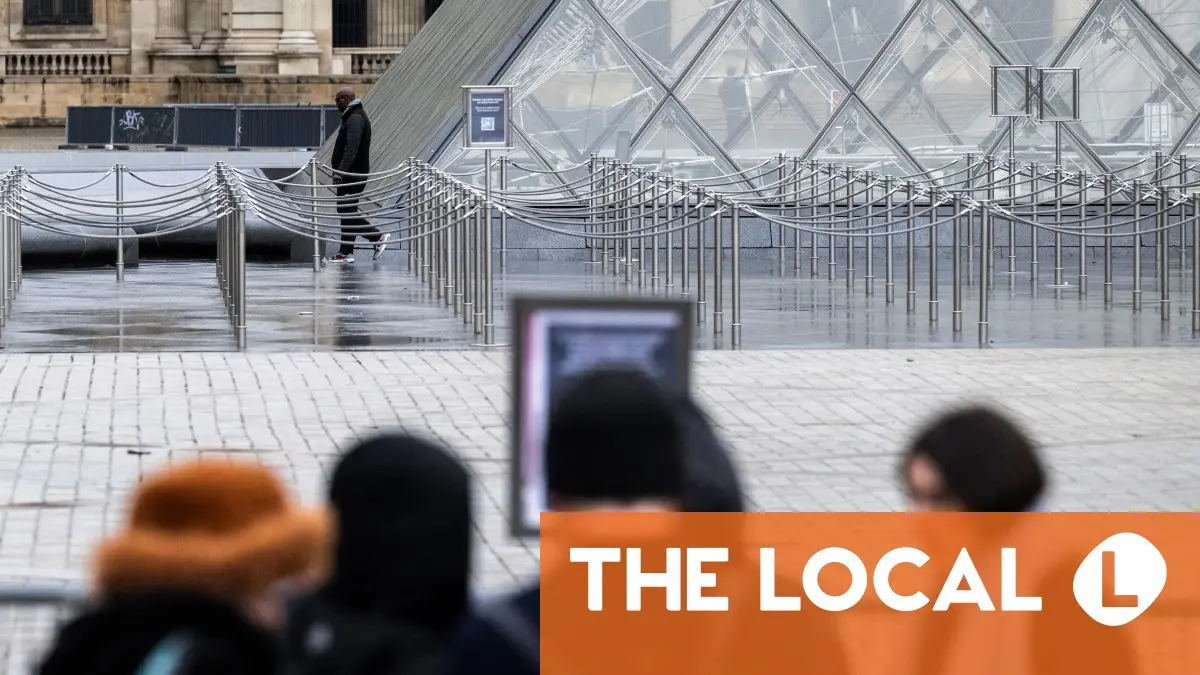
1 month agoAn ugly year for the Louvre: where does the world's biggest museum go from here?
Laurence des Cars resigned as Louvre president after a year marked by staff strikes, infrastructure crises, a major heist, and ongoing operational challenges despite a €1 billion renovation plan.
fromThe Art Newspaper - International art news and events
1 week agoComment | Museums must be the leaders in a moral revolution
Bregman claims, 'Today the whole of Europe risks turning into one big Venice, a beautiful open-air museum. A great destination for Chinese and American tourists. A place to admire what was once the centre of the world.' This statement encapsulates the concern that Europe is losing its cultural significance.
Arts
Design
fromThe Art Newspaper - International art news and events
2 months agoHow an artist's sketch was turned into a museum
A museum design translates a blue-house and white-tower sketch into a tiled architectural language reflecting regional materials, cultural markers, and historic South–West Asian trade links.
#michelangelo
fromThe Art Newspaper - International art news and events
1 month agoArts
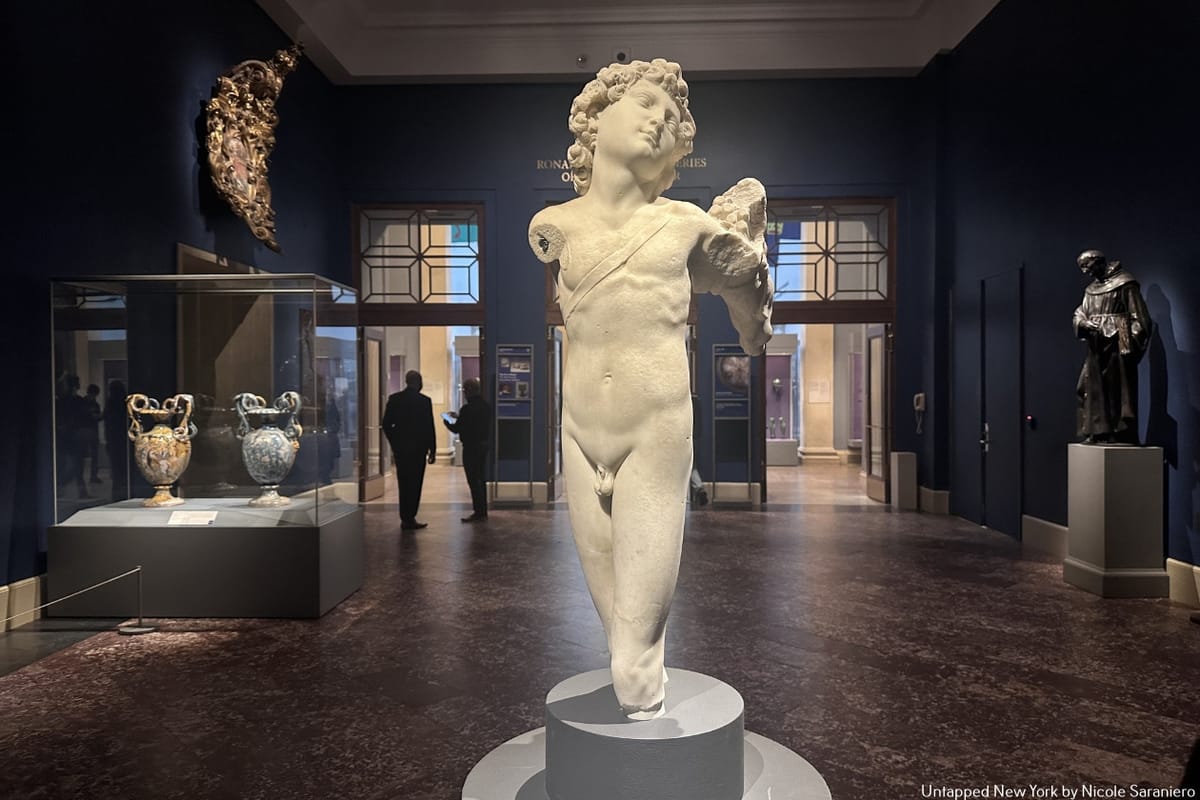
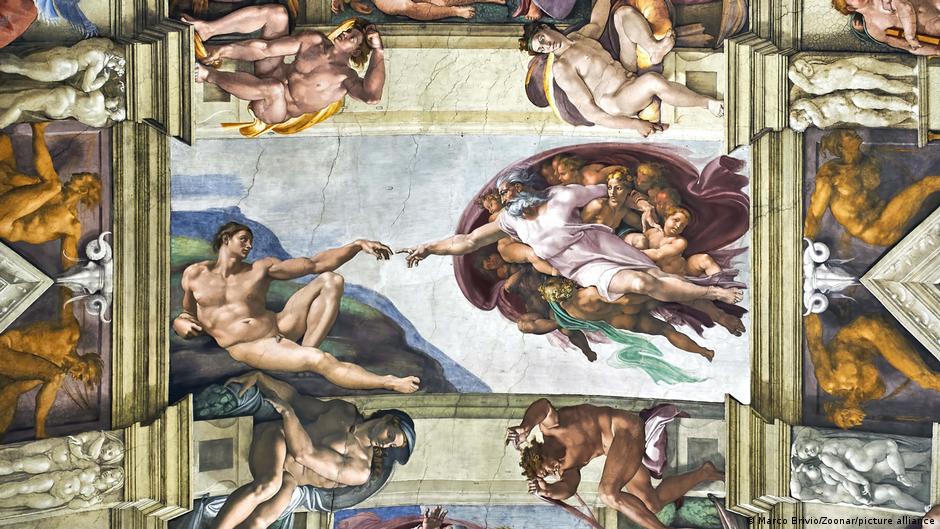
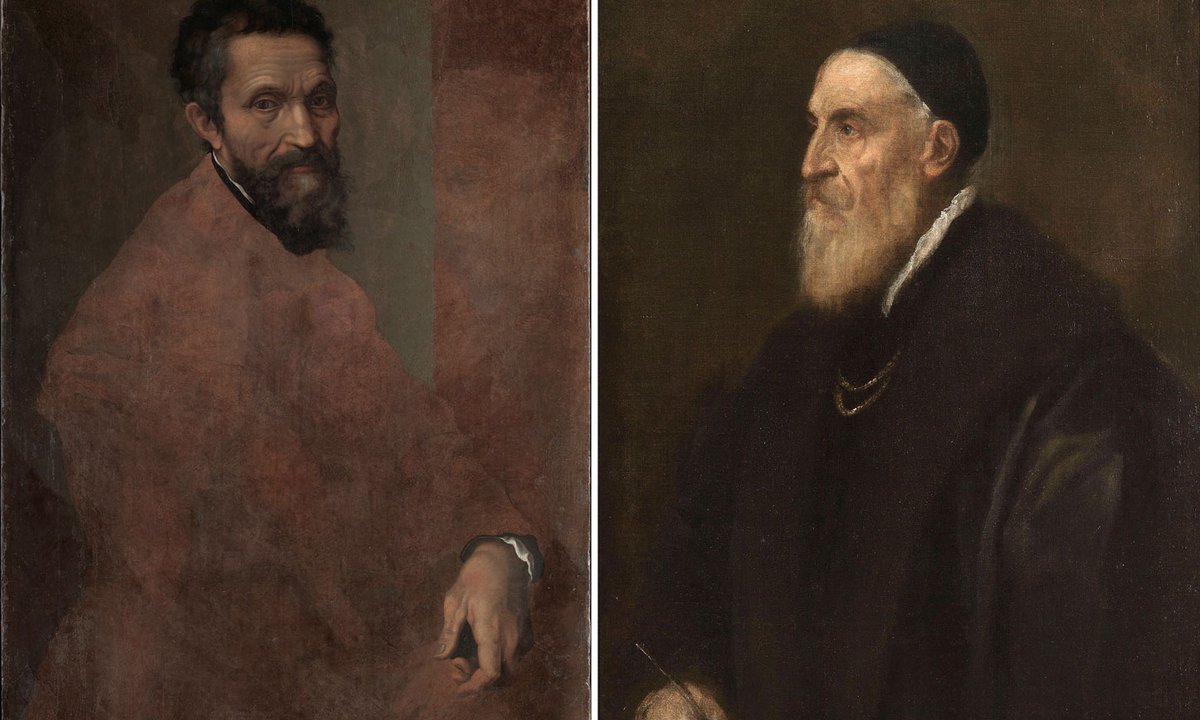
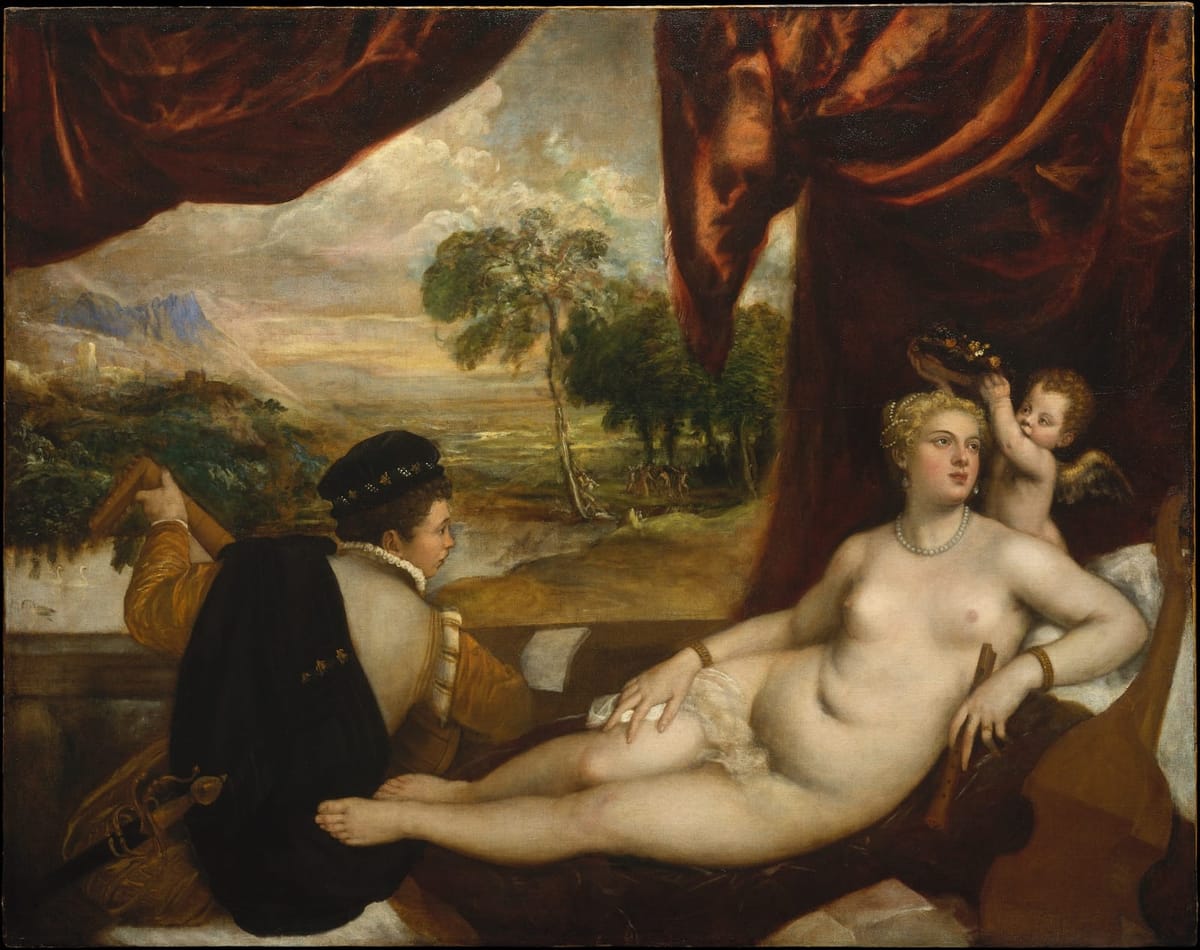
Clash of the Renaissance titans: an intriguing double biography of Titian and Michelangelo
Michelangelo the Elder's lifetime success and character are documented through 17th-century commemorative paintings that reveal how artistic tastes shifted dramatically after his death.
Arts
fromThe Art Newspaper - International art news and events
2 weeks agoMajor collection of Indian paintings and calligraphy to be offered at Christie's
Christie's will auction Indian paintings and calligraphy from the Cowles collection in London on 28 April, featuring Mughal works estimated at over £1.5m, with prices ranging from low thousands to £180,000.
fromThe Art Newspaper - International art news and events
2 weeks agoCan Tefaf Maastricht keep up with the experience economy?
Looking at old art gives me a sense of craftsmanship, of what can be achieved with paint. There is nothing comparable with Tefaf. The atmosphere of quality is unmatched. Contemporary art collectors are discovering value in historical works and the fair's curatorial standards, representing a potential shift in how different collector demographics engage with art across temporal boundaries.
Arts
Arts
fromThe Art Newspaper - International art news and events
3 weeks agoNot just dollars, euros and pounds: Tefaf speaker sets out art's deep value for wellbeing
Scientific research demonstrates that arts engagement significantly improves mental health outcomes, with arts therapies doubling depression symptom improvement and regular cultural attendance reducing depression risk by nearly half.
fromThe Art Newspaper - International art news and events
3 weeks ago'What does the second F in Tefaf truly stand for?'
In establishing the fair, a foundation (stichting in Dutch) seemed the most fitting legal entity for the purpose of creating an event 'run by dealers, for dealers... so that nobody had an advantage over anybody else.' That Tefaf operates as a not-for-profit differentiates it from other major art fair brands. There are no shareholders demanding a return, no owners to primp the thing for sale.
Arts
Arts
fromThe Art Newspaper - International art news and events
3 weeks ago'It has nothing to do with Michelangelo': expert wades in on painting newly attributed to Renaissance master
Belgian art historian Michel Draguet claims to have discovered a Michelangelo painting from the 1540s, but leading Renaissance experts dispute the attribution based on artistic style analysis.
Arts
fromThe Art Newspaper - International art news and events
3 weeks agoThe rise of the destination art fair, from Aspen to Mallorca
Art dealers are shifting toward smaller, intimate fairs in desirable destinations over traditional flagship events, driven by luxury travel growth and desire for experiential engagement.
France news
fromenglish.elpais.com
2 months agoParis returns to the epicenter of artistic luxury: It is once again the art capital it was in the early 20th century'
Paris’s cultural scene is resurging through private investment, shifting toward luxury-focused, market-driven institutions and away from traditional public cultural models.
Arts
fromThe Art Newspaper - International art news and events
1 month agoA short guide to the hidden meanings in great paintings
Historic paintings contain symbolic meanings and motifs that convey spiritual, moral, and philosophical messages through objects like apples, angels, books, butterflies, and candles.
Arts
fromwww.theguardian.com
1 month agoThe Guardian view on an explosion of solo exhibitions by women: move over old masters | Editorial
Major UK art institutions are finally increasing exhibitions of female artists after decades of severe underrepresentation, marking a significant shift from historical gender disparities in museum programming.
Arts
fromArtnet News
1 month agoThe Art Boom in the Middle East, Are Old Masters Cool Now?, and a Fresco Fracas in Italy | Artnet News
Art Basel Qatar raises questions about cultural power redistribution, while contemporary art's focus on Old Masters reflects market pressures, and a removed church fresco in Rome highlights tensions between restoration, iconography, and political imagery.
Arts
fromThe Art Newspaper - International art news and events
1 month agoUK exhibition celebrates the artisans throughout history who went to war
Frontline-made objects salvaged from battlefields reveal the skills, identities, and lived experiences of ordinary soldiers across conflicts from the World Wars to modern wars.
Arts
fromThe Art Newspaper - International art news and events
2 months agoDurer 'copy' at London's National Gallery is the real thing, expert claims
A German scholar asserts the National Gallery's portrait of Albrecht Dürer's father is an authentic 1497 painting by Dürer, despite the museum's rejection.
fromParis Perfect
1 month agoFall in Love with Renoir in Paris This Year
Running from March 17 to July 19, 2026, Renoir and Love will be one of the top special exhibitions of the year in Paris. Celebrating how affection, connection and human relationships shaped Renoir's work during a defining period of his career. Bringing many key works together for the first time in decades, the exhibition offers a fresh perspective on how Renoir approached love not as an abstract ideal, but as something lived and experienced within the changing social life of late-19th-century Paris.
Arts
fromArtnet News
1 month agoHow the Mayor Gallery Has Helped Define Contemporary Art for 100 Years
In the story of art history-the art and artists, movements and trends-a select number of galleries have played a defining role in the evolution and trajectory of art itself. Among them, the Mayor Gallery in London is surely one, as it has maintained a position fostering and promoting some of the most significant developments in art for an astounding 100 years.
Arts
Arts
fromSilicon Canals
1 month ago8 signs you appreciate art, music, and culture on a deeper level than most people - Silicon Canals
Some people experience art deeply, reacting emotionally and perceiving subtle artistic cues that reveal heightened sensitivity and meaningful connections to creative expression.
fromHyperallergic
2 months agoArt Movements: Knights, Presidents, and Crooks
As 2026 marks the 250th anniversary of the founding of the United States, the auction house Christie's is hosting multiple auctions later this month as part of "Americana Week." Was I the only one who didn't know that Jimmy Carter was also a painter? The lots include a painting by that president, Gilbert Stuart's portrait of George Washington for James Madison, and Grant Wood's original study for "American Gothic" (1930).
Arts
Arts
fromThe Art Newspaper - International art news and events
2 months agoComment | We are living in an age of bad painting-the medium must be challenged to stay interesting
Contemporary painting shows a widespread trend of complacent, market-driven, and poorly executed works that often lack urgency and substantive engagement.
fromwww.theguardian.com
1 month agoAI analysis casts doubt on Van Eyck paintings in Italian and US museums
An analysis of two paintings in museums in the US and Italy by the 15th-century Flemish artist Jan van Eyck has raised a profound question: what if neither were by Van Eyck? Saint Francis of Assisi Receiving the Stigmata, the name given to near-identical unsigned paintings hanging in the Philadelphia Museum of Art and the Royal Museums of Turin, represent two of the small number of surviving works by one of western art's greatest masters, revered for his naturalistic portraits and religious subjects.
Arts
fromHyperallergic
2 months agoArt for Dignity
As if demolishing the East Wing, gutting arts agencies, and slapping his name and face on several federal buildings weren't enough, the US president now wants to do away with a DC building known as the "Sistine Chapel of New Deal art." This week, we reported on a burgeoning campaign to save the Wilbur J. Cohen Federal Building, which houses murals by Ben Shahn, Philip Guston, Seymour Fogel, and other major American artists. We will continue to follow this story.
Arts
[ Load more ]