#lifes-simple-7
#lifes-simple-7
[ follow ]
#physical-activity #wellness #longevity #mental-health #health #aging #lifestyle-habits #heart-health #nutrition

#physical-activity
Exercise
fromPsychology Today
2 weeks agoHow Five Minutes of Movement Can Positively Impact Health
Five extra minutes of daily moderate-to-vigorous activity prevents up to 1 in 10 early deaths, with greatest benefits for the least active people.
fromenglish.elpais.com
2 months agoPublic health
Inactive people can reduce risk of death by 30% with five minutes of exercise a day
Small daily increases in moderate-to-vigorous exercise and reduced sitting substantially lower premature mortality, with the largest benefits for the least active individuals.

Mindfulness
fromSilicon Canals
2 days agoPsychology says the most important life lesson isn't learning to make better decisions - it's learning to live peacefully with the ones you can't undo - Silicon Canals
Irreversible choices shape our lives and learning to coexist with them is crucial for mental well-being.

Health
fromwww.businessinsider.com
1 week agoHere are 3 tips to reduce your risk of heart disease from a researcher studying the link between cardiovascular and gut health
Maximizing gut health is linked to reducing chronic disease risk, emphasizing plant-based diets and limiting ultra-processed foods.
fromYoga Journal
1 week agoAre You Breathing Wrong? Here's How to Get More Out of Your Inhalations and Exhalations.
The human neuroendocrine system has changed very little since the time of cave people. Yet today we are likely to receive more stimulation in one day than our ancestors did in their entire lifetime.
Yoga
#aging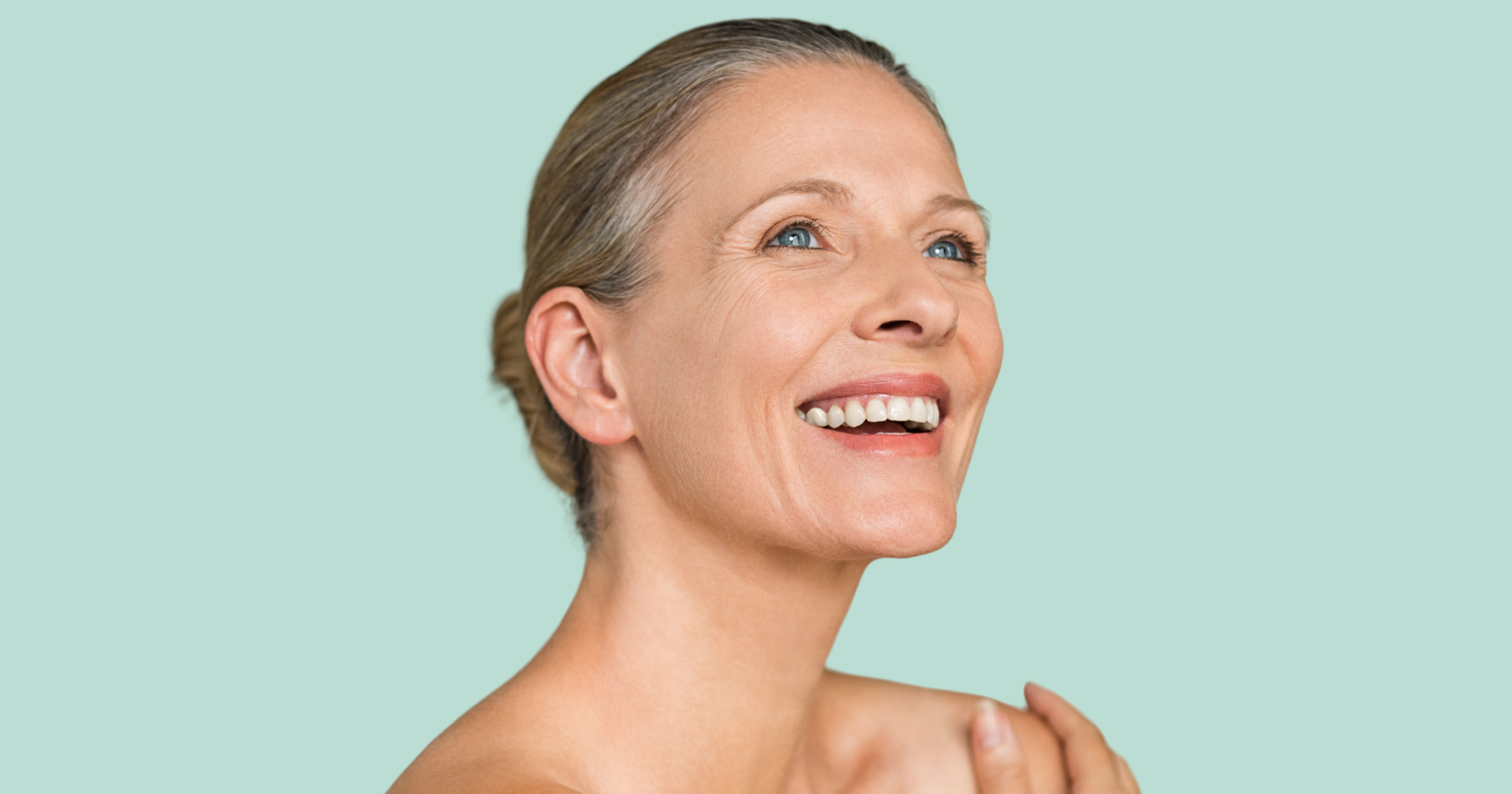
fromSilicon Canals
1 week agoHealth
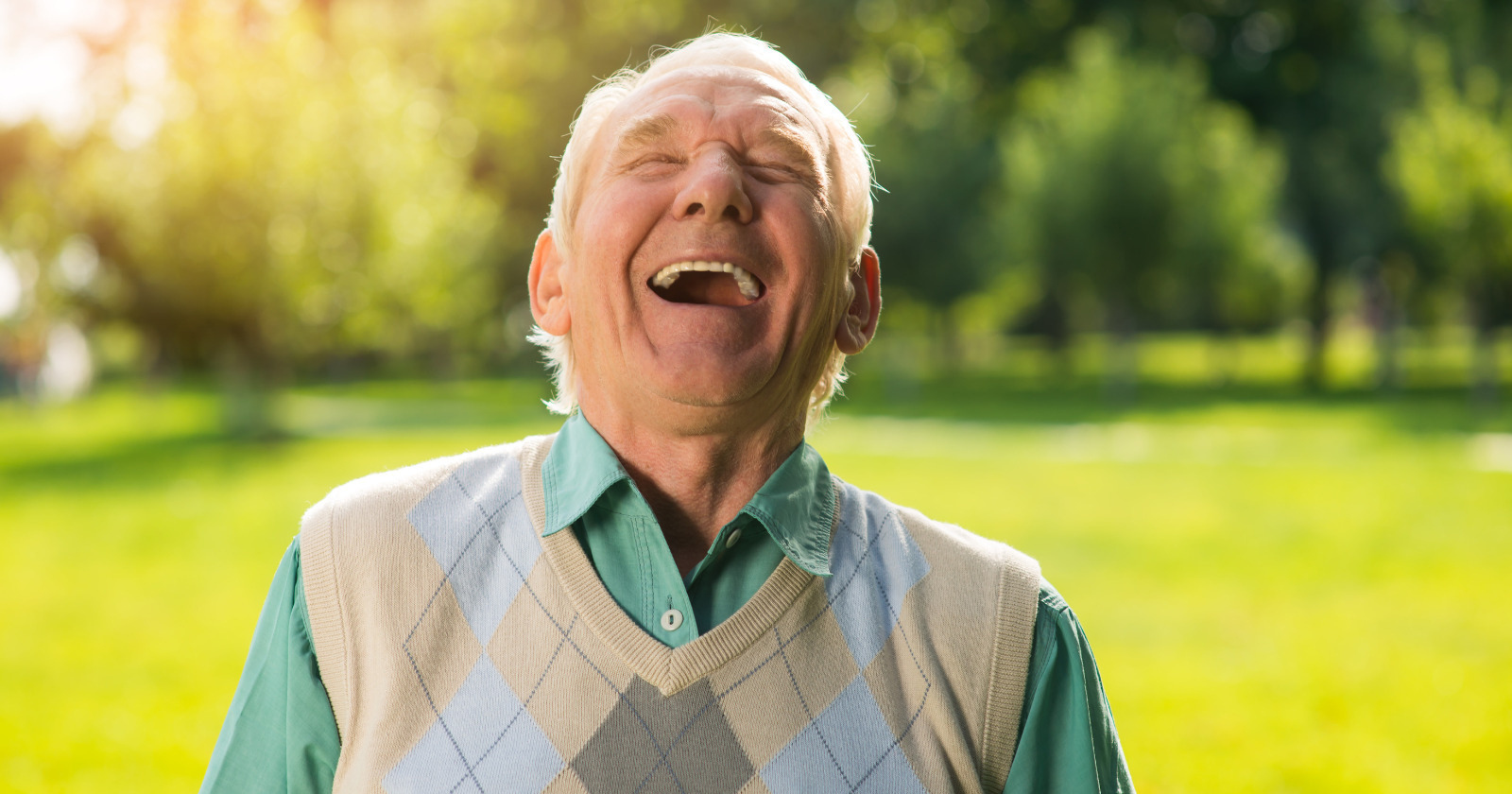
People who still look young in their 60s and 70s aren't fighting aging - they stopped doing the things that accelerate it, and the difference between those two approaches is the difference between swimming against a current and simply getting out of the water - Silicon Canals

Health
fromSilicon Canals
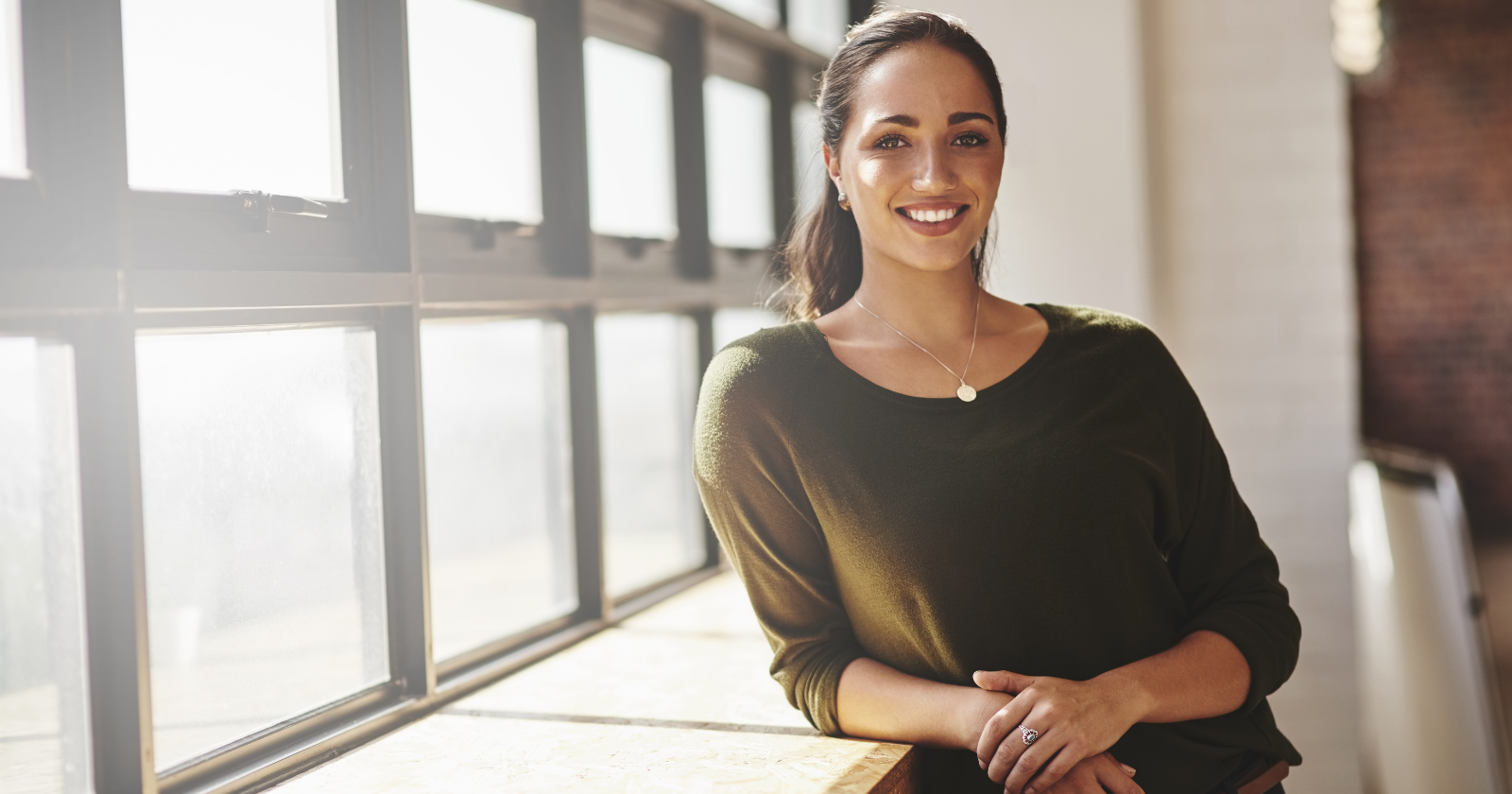
1 week agoPeople who still look young in their 60s and 70s aren't fighting aging - they stopped doing the things that accelerate it, and the difference between those two approaches is the difference between swimming against a current and simply getting out of the water - Silicon Canals
The biggest factor in aging is what we stop doing to ourselves, rather than what we add to our lives.
#lifestyle-habits
Psychology
fromBuzzFeed
3 weeks ago30 "Old Person" Habits That Quietly Make Life Better For Literally Everyone
Younger people are adopting traditional older-person habits like napping, early bedtimes, crochet, and morning routines because these practices significantly improve quality of life and well-being.

Psychology
fromBuzzFeed
3 weeks ago30 "Old Person" Habits That Quietly Make Life Better For Literally Everyone
Younger people are adopting traditional older-person habits like napping, early bedtimes, crochet, and morning routines because these practices significantly improve quality of life and well-being.
Mindfulness
fromSilicon Canals
4 days agoThe difference between people who actually change their lives and people who just talk about it almost always comes down to what they do in the first 90 seconds after waking up - Silicon Canals
The first 90 seconds after waking significantly influence the rest of the day, often leading to reactive behavior if not managed properly.
fromHarvard Gazette
1 month agoAmerican heart health worsening - Harvard Gazette
Many other higher-income countries are grappling with rising obesity and diabetes, but the U.S. stands out for how consistently those risks translate into worse cardiovascular outcomes, and how wide the gaps are by income, race, ethnicity, and geography.
Public health
Health
fromBusiness Insider
4 weeks agoStress can age you. A cardiologist explains 4 simple ways to protect your heart in 10 minutes a day.
Chronic stress is an underrated, preventable risk factor present in 90% of cardiac patients that significantly increases heart disease risk across all ages, particularly in young adults.
fromAol
1 month agoHow Americans are rethinking wellness in 2026
Instead of chasing fleeting fads, people have been responding to a deep-seated burnout fueled by economic instability and the relentless demands of hybrid work. This exhaustion is steering many away from generic fitness trends and toward the precision of wearables, health apps, and AI-driven tools.
Wellness
fromBustle
2 weeks agoMindfulness
Why Slow Living Is Gaining Ground in a Culture Obsessed With Speed
Slow living prioritizes quality, relationships, and presence over productivity and busyness, supported by research showing that chronic time pressure increases health risks while rest improves cognitive and creative performance.
fromAlternative Medicine Magazine
1 month agoBest Heart Health Exercise Routine for A Long, Vital Life
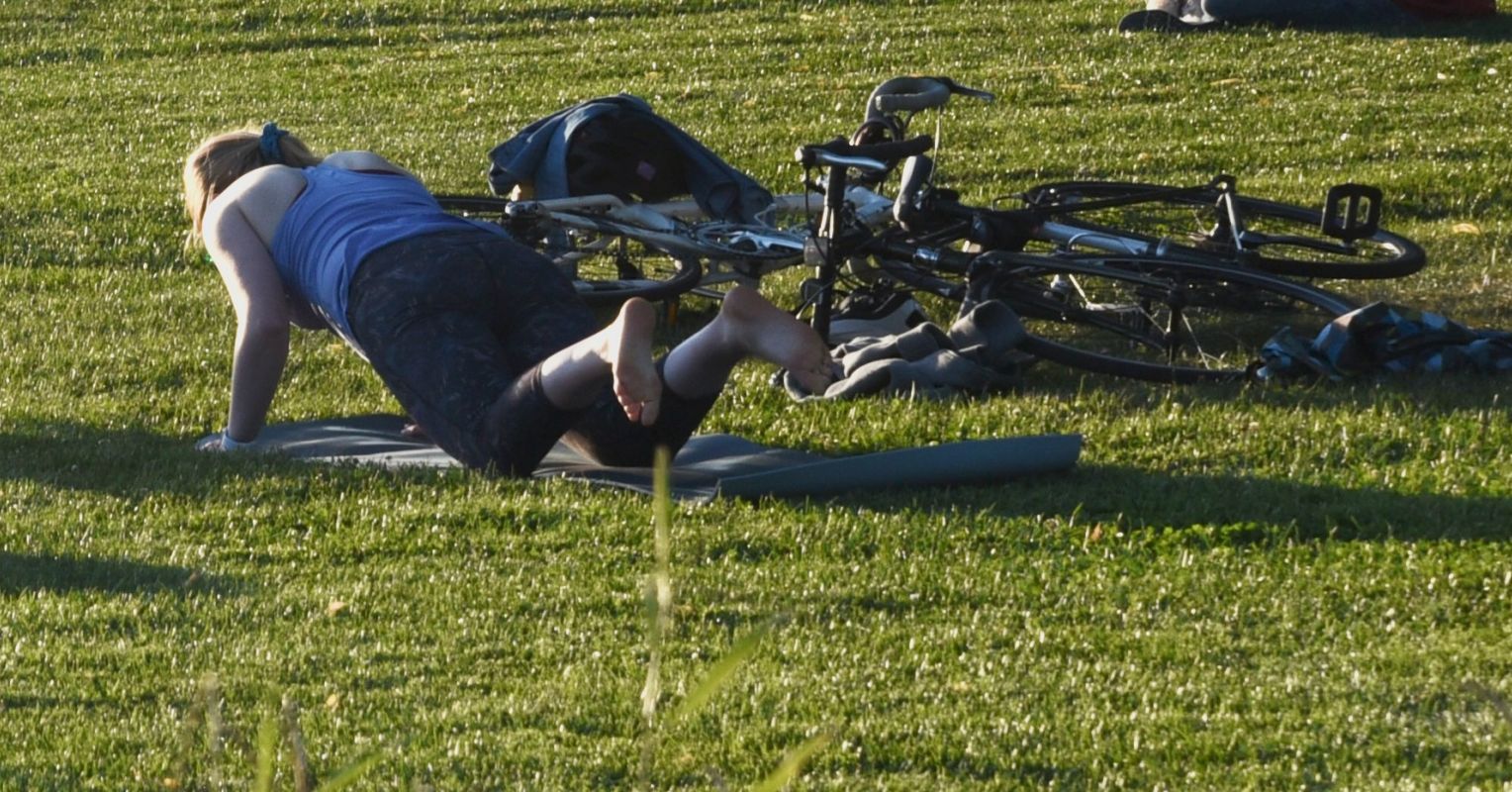
As you age, inactivity can lead to a variety of cardiovascular problems, one of which involves stiffening of the heart's left ventricle. That's the chamber responsible for pumping oxygen-rich blood to the rest of the body. According to Dr. Benjamin Levine , Director of the Institute and Professor of Internal Medicine at University of Texas Southwestern (UTSW), "When the muscle stiffens, you get high pressure and the heart chamber doesn't fill as well with blood."
Alternative medicine
fromwww.theguardian.com
2 months agoI looked exceptional but I was out of breath': the bodybuilder who switched to mindful movement
Eugene Teo, 34, began lifting weights at the age of 13, looking for validation. I was short, skinny and I thought it would give me confidence, he says. Bodybuilding for me was the ultimate expression of that. Now living on the Gold Coast in Australia, with his partner and daughter, the fitness coach spent from age 16 to 24 training and competing. At times, he lifted weights for up to four hours a day, aiming to get as muscular and lean as possible.
Mental health
fromSilicon Canals
1 month agoPeople who stayed physically active into their 80s share these 7 movement habits they started before it became trendy - Silicon Canals
It got me thinking. While everyone's obsessing over the latest fitness trends and biohacking protocols, these folks have been consistently moving their bodies for decades. No fancy equipment, no Instagram-worthy routines, just simple habits they picked up long before movement became a multibillion-dollar industry. So I started asking around, digging into research, and talking to people who've stayed active well into their golden years. What I found wasn't revolutionary or complicated. It was refreshingly simple.
Exercise


fromAlternative Medicine Magazine
1 month agoHow to Improve LDL Cholesterol Naturally Without Medication
These strategies work best for people without existing heart disease, and under the guidance of a healthcare provider. High cholesterol may not cause noticeable symptoms, but it quietly raises the risk of heart attack and stroke over time. Statins are the gold standard treatment in Western medicine, but they come with side effects and long-term risks. Fortunately, many people can improve their low-density lipoprotein (LDL) and total cholesterol levels through diet, movement, and targeted supplements.
Alternative medicine
fromwww.bbc.com
2 months agoWhy doing a mix of exercise could be the key to longer life
Don't put all your eggs in one basket when it comes to exercise - doing a variety of different physical activities every week is the key to boosting your health and living longer, a study suggests. After tracking the weekly exercise habits of 110,000 men and women in the US for 30 years, researchers found active people who did the greatest variety of exercise were 19% less likely to die during that time than those who focused on one activity. That effect was greater than for individual sports like walking, tennis, rowing and jogging. The total amount of exercise you do is still key, experts say, but doing a range of activities you enjoy can bring lots of benefits.
Public health
fromABC7 Los Angeles
1 month agoTake charge of your heart health with great deals from ABC Secret Savings
Lifepro: FlexCycle Plus Exercise Bike Work out anytime you're seated with this compact under-desk bike. Its smooth, quiet ride lets you pedal while watching TV or during a meeting, making it easy to multitask. It comes with resistance bands and arm pedals for an upper-body workout, plus eight resistance levels for all skill levels. Track your progress on the built-in monitor or sync with the free app to see your miles, minutes, and calories. Free shipping included.
Health
Wellness
fromSilicon Canals
1 month agoPeople who stay in shape without hitting the gym usually share these 8 simple daily routines - Silicon Canals
Sustainable daily movement and simple routines integrated into everyday life maintain fitness and vitality more effectively than intense gym-focused workouts.
Public health
fromThe Mercury News
1 month agoSaratoga High School event informs community on heart health
Free youth heart screenings revealed undiagnosed heart conditions—highlighting the importance of EKG screenings to detect risks like Wolff-Parkinson-White syndrome and prevent sudden cardiac arrest.
fromFast Company
1 month agoThese 5 small shifts in your diet can lower your risk for chronic disease
The Dietary Guidelines for Americans aim to translate the most up-to-date nutrition science into practical advice for the public as well as to guide federal policy for programs such as school lunches. But the newest version of the guidelines, released on Jan. 7, 2026, seems to be spurring more confusion than clarity about what people should be eating. The latest dietary guidelines, published on Jan. 7, 2026, have received mixed reviews from nutrition experts.
Public health
fromFast Company
2 months agoWhy an all-foods-fit approach to nutrition is better than dieting, according to a dietitian
Diet culture norms have led to a multibillion-dollar industry promoting diets that each come with their own set of rules, with each claiming it's the only way to be healthy or lose weight. When access to nutrition information is at an all-time high online, people are often left digging through conflicting information when trying to figure out what to eat or what a healthy diet look likes.
Health
fromSilicon Canals
2 months ago8 daily habits of people who stay incredibly fit without ever stepping foot in a gym - Silicon Canals
You know those people who seem to radiate energy and look like they could run a marathon at a moment's notice? The ones who somehow maintain incredible fitness without posting gym selfies or talking about their deadlift PR? I used to think they had some secret genetic advantage. Turns out, after years of observing and experimenting myself, their secret isn't found in a gym membership or expensive equipment. It's woven into the fabric of their daily lives through simple, sustainable habits.
Wellness
Mindfulness
fromSilicon Canals
1 month agoIf your goal is peace, say goodbye to these 9 "normal" habits that keep your nervous system on high alert - Silicon Canals
Everyday habits can keep the nervous system in chronic survival mode; eliminating reactive behaviors restores calm and reduces persistent anxiety.
[ Load more ]