Medicine
fromPsychology Today
10 hours agoMitochondria and Mental Health
Mitochondrial dysfunction is a key factor in depression, bipolar disorder, and schizophrenia, affecting neuroplasticity and treatment resistance.

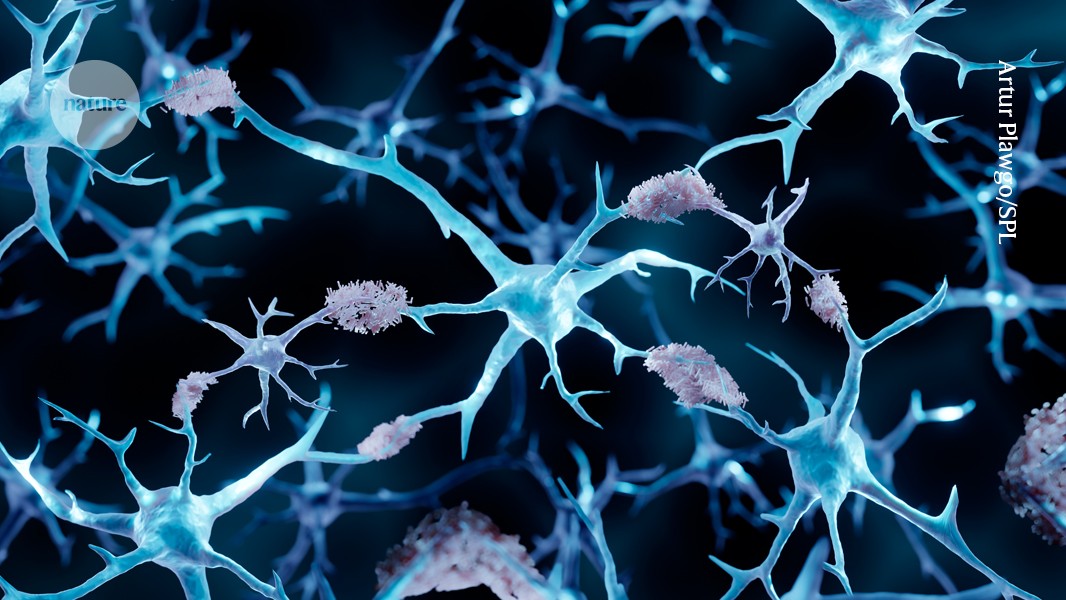
This could open up some interesting possibilities for therapeutic interventions for depression-like behaviors or maladaptive changes in motivational behaviors down the road where microglia are known to play a really important role.
When Lorraine Kelly Donnelly felt a cramp in her left hand at the start of 2025, she didn't think anything of it. But when a week later the pain was still there, she made an appointment to see her GP.
We've always said that SuperAgers show that the aging brain can be biologically active, adaptable, flexible, but we didn't know why. This is biological proof that their brains are more plastic, and a real discovery that shows that neurogenesis of young neurons in the hippocampus may be a contributing factor.
Dopamine is one of the most extensively studied neurotransmitters, chemicals that convey signals from cell to cell. It's the one with the highest profile outside neuroscience: often known as the 'pleasure chemical', it's depicted as the hit of reward that people get from recreational drugs or scrolling through social media. That's a gross simplification of what dopamine does; on that, researchers agree.
I received an email recently that claims Wal-Mart senior management has been calling mandatory meetings for the company's employees in which the employees are told they "cannot" vote for the Obama-Biden ticket "or any other employee-friendly, union-friendly candidates for political office". It's not an urban legend, according to the sources I checked. This makes me so angry I just boil. When it comes to the Constitution, I am a rabid supporter.
Young, two-month-old lab mice housed with older, 18-month-old mice showed really impaired cognition. Researchers exposed young mice raised in a sterile, microbe-free environment to gut bacteria from old mice, causing the younger animals to perform worse on cognitive tests, as if they had prematurely aged, just like the cohoused mice.
In other words, what you use to fuel yourself matters for brain health. So what foods are best for your brain? In a nine-year study of nearly 1,000 older adults, researchers at Rush University in Chicago found that people who ate more of nine particular types of food berries, leafy greens, other vegetables, whole grains, beans, nuts, fish, poultry and olive oil and who ate less red meat, butter and margarine, cheese, sweet treats and fried food had slower cognitive decline.
A groundbreaking study found that adults who sit for 10 or more hours daily face a significantly higher risk of dementia compared to those who sit less. The research, which tracked over 50,000 adults using wearable devices, revealed that the risk increases dramatically after crossing that 10-hour threshold.
Decades of research show that people who have more years of education, more cognitively demanding jobs or more mentally stimulating hobbies all tend to have a reduced risk of cognitive impairment as they get older. Experts think this is partly thanks to cognitive reserve: Basically, the more brain power you've built up over the years, the more you can stand to lose before you experience impairment.
When I asked neurologists about their top behaviors for brain health, they all stressed the importance of physical activity. Exercise is top, No. 1, when we're thinking about the biggest bang for your buck, said Dr. Gregg Day, a neurologist at the Mayo Clinic. Numerous studies have shown that people who exercise regularly tend to perform better on attention, memory and executive functioning tests. There can be a small cognitive boost immediately after a workout, and the effects are sustained if people exercise consistently.
Anyone living with schizophrenia understands the true limitations of current treatment options. Antipsychotics remain the single leading treatment for the disorder, and they are riddled with undesirable side effects. Weight gain, tardive dyskinesia, and excessive drowsiness are a few. Much research is devoted to expanding the range of medication options, and few academics have pursued other avenues. However, there is a possibility that treatment for schizophrenia can be approached through cellular methods if long-term research validates early signs of hope.
It might come as a surprise to learn that the brain responds to training in much the same way as our muscles, even though most of us never think about it that way. Clear thinking, focus, creativity, and good judgment are built through challenge, when the brain is asked to stretch beyond routine rather than run on autopilot. That slight mental discomfort is often the sign that the brain is actually being trained, a lot like that good workout burn in your muscles.
Most people will forget a name, misplace their phone, or lose track of a conversation at some point. Usually, those moments pass without much thought. But for many adults, especially as they age, small lapses can trigger a much deeper fear: Is this the beginning of cognitive decline? As a neurologist, I hear this concern often. And as a researcher, I have learned something important: Worry about cognition and cognitive disease are not the same thing.
Scroll through any wellness feed, and you might notice the same whiplash-inducing pattern. Dissociation is either a dangerous sign of pathology or "a protective intelligence that deserves reverence." Trauma responses are framed as evidence of brokenness or badges of resilience. Anxiety is either a disorder to eliminate or an intuition to honor. We've flattened the rich, complex reality of the nervous system into a binary: demonize or romanticize. But neither extreme helps us understand ourselves-or decide when we actually need support.
But questions remain about the accuracy and uncertainty of these tests, and experts caution that the assays aren't ready for prime time. While the results here are encouraging, they are not yet at the level of having significant clinical benefit for individual patients, says Corey Bolton, a clinical neuropsychologist and an assistant professor of medicine at Vanderbilt University Medical Center, who was not involved in the new study.
Researchers used data from two health studies to track the caffeine-drinking habits of more than 130,000 people over four decades. They found that drinking 2-3 cups of coffee or 1-2 cups of tea a day was associated with the greatest reductions in rate of cognitive decline, a result that held true even in people with a genetic variant called APOE4, which is associated with Alzheimer's disease.
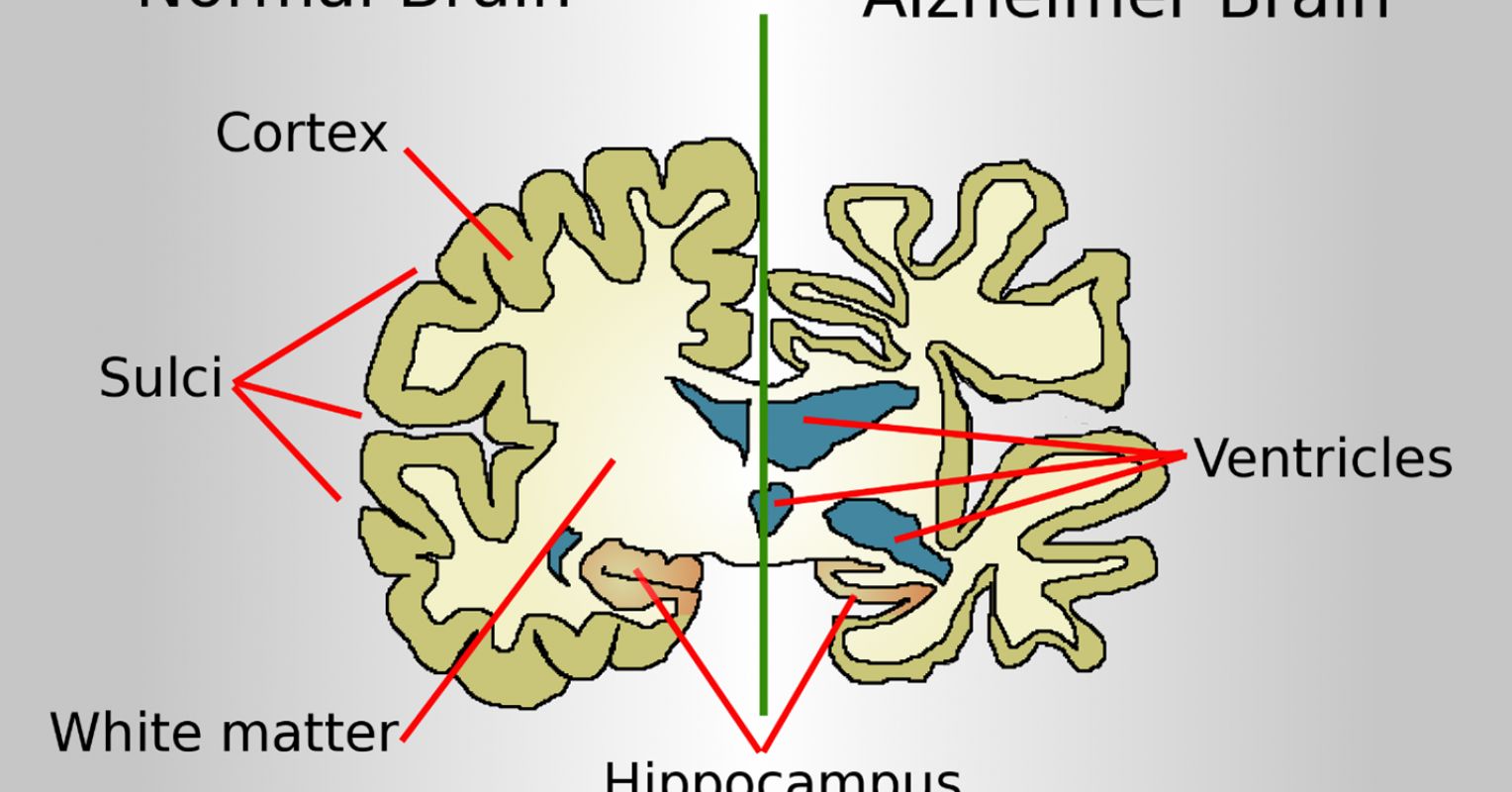
New therapies for Alzheimer's disease should target a particular gene linked to the condition, according to researchers who said most cases would never arise if its harmful effects were neutralised. The call to action follows the arrival of the first wave of drugs that aim to treat Alzheimer's patients by removing toxic proteins from the brain. While the drugs slow the disease down, the benefits are minor,