#pastry-custard
#pastry-custard
[ follow ]
#baking #cooking-tips #desserts #cooking #cooking-techniques #jacques-pepin #baking-tips #food #gordon-ramsay
fromTasting Table
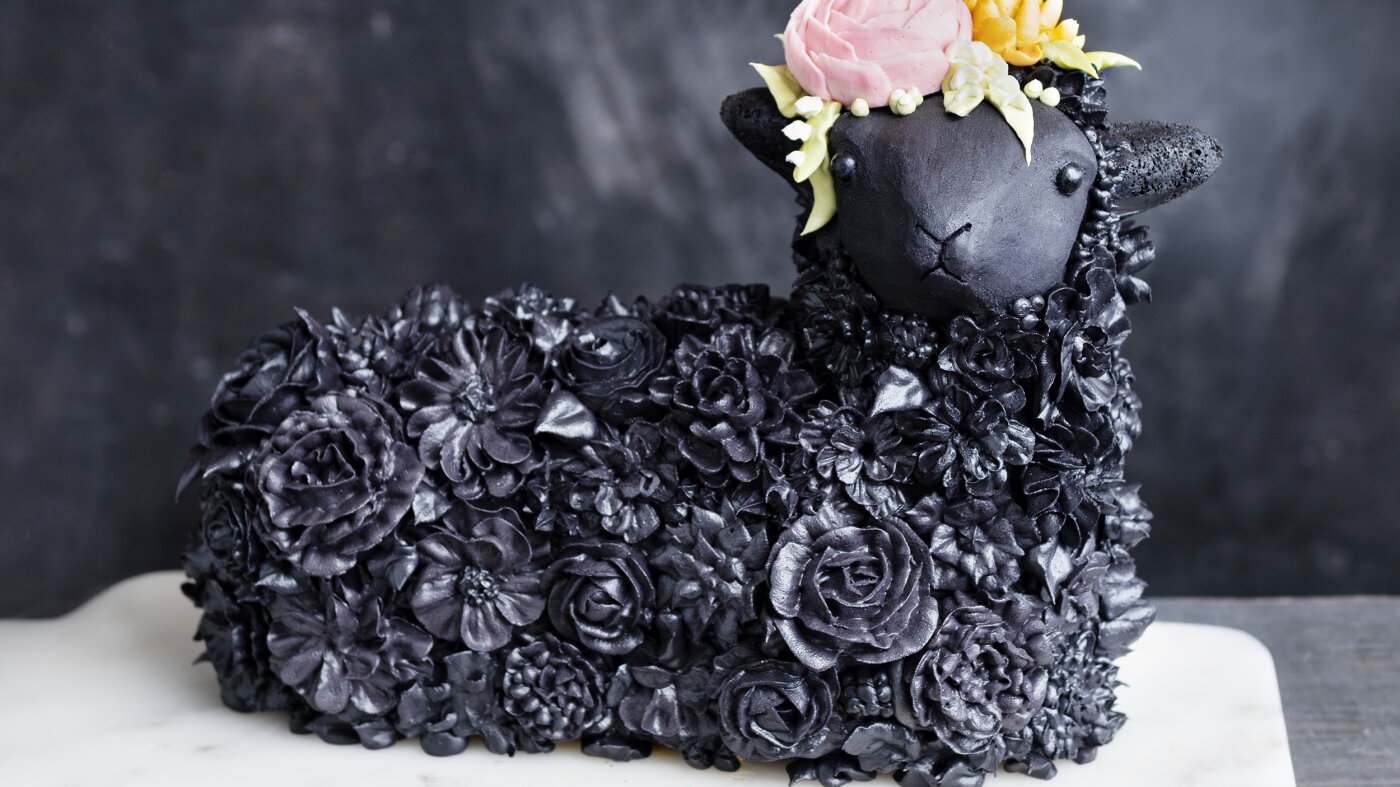
4 days agoThe 6 Hands-Down Best Grocery Store Cupcakes, According To Customers - Tasting Table
Whole Foods' vegan vanilla cupcakes are praised for their fluffy and moist texture, making them a top choice for those seeking plant-based options. Customers enjoy the well-balanced frosting made with vegan cream cheese, which complements the cupcake perfectly.
Berlin food

fromwww.nytimes.com
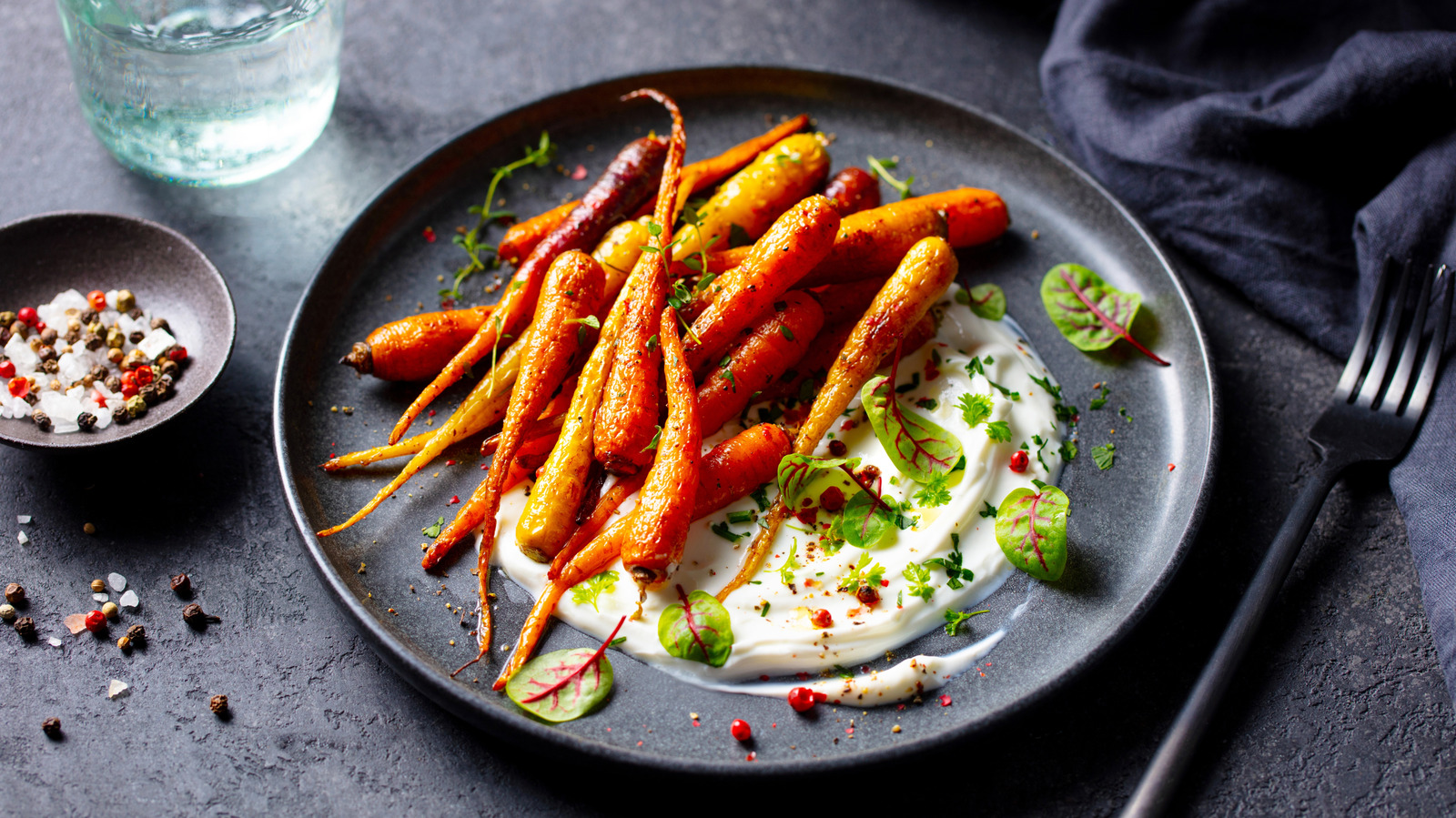
2 weeks agoVideo: Gateau Nana
Fashioned after a traditional French gateau Breton, the gateau Basque and even the galette des rois—all cakes made of sweet or quick puff dough doubled up and filled with fruit or cream or nuts—this cake, uniquely Louisianan and lovingly called gateau nana, takes inspiration from each.
Paris food
fromThe Good Life France
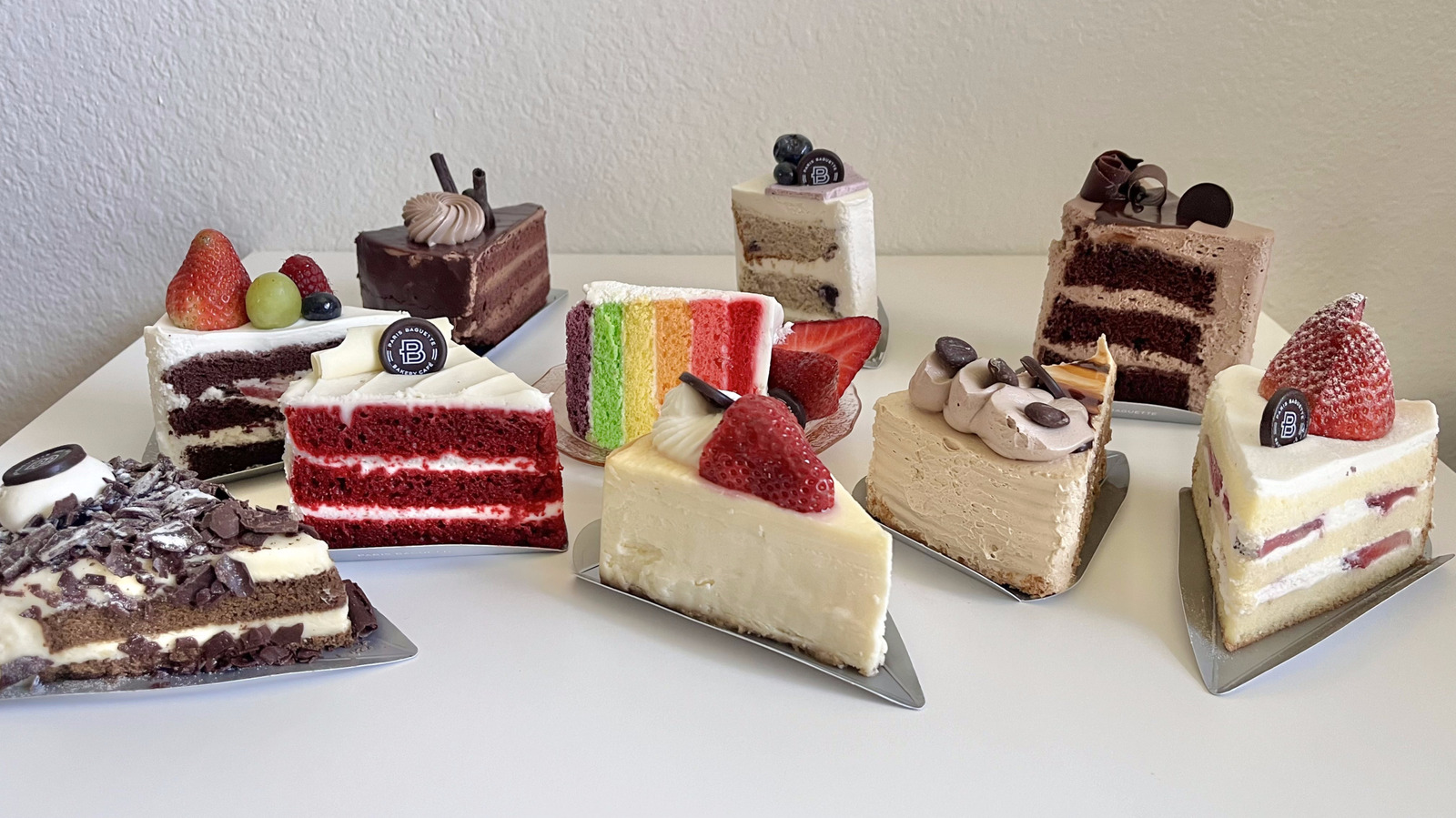
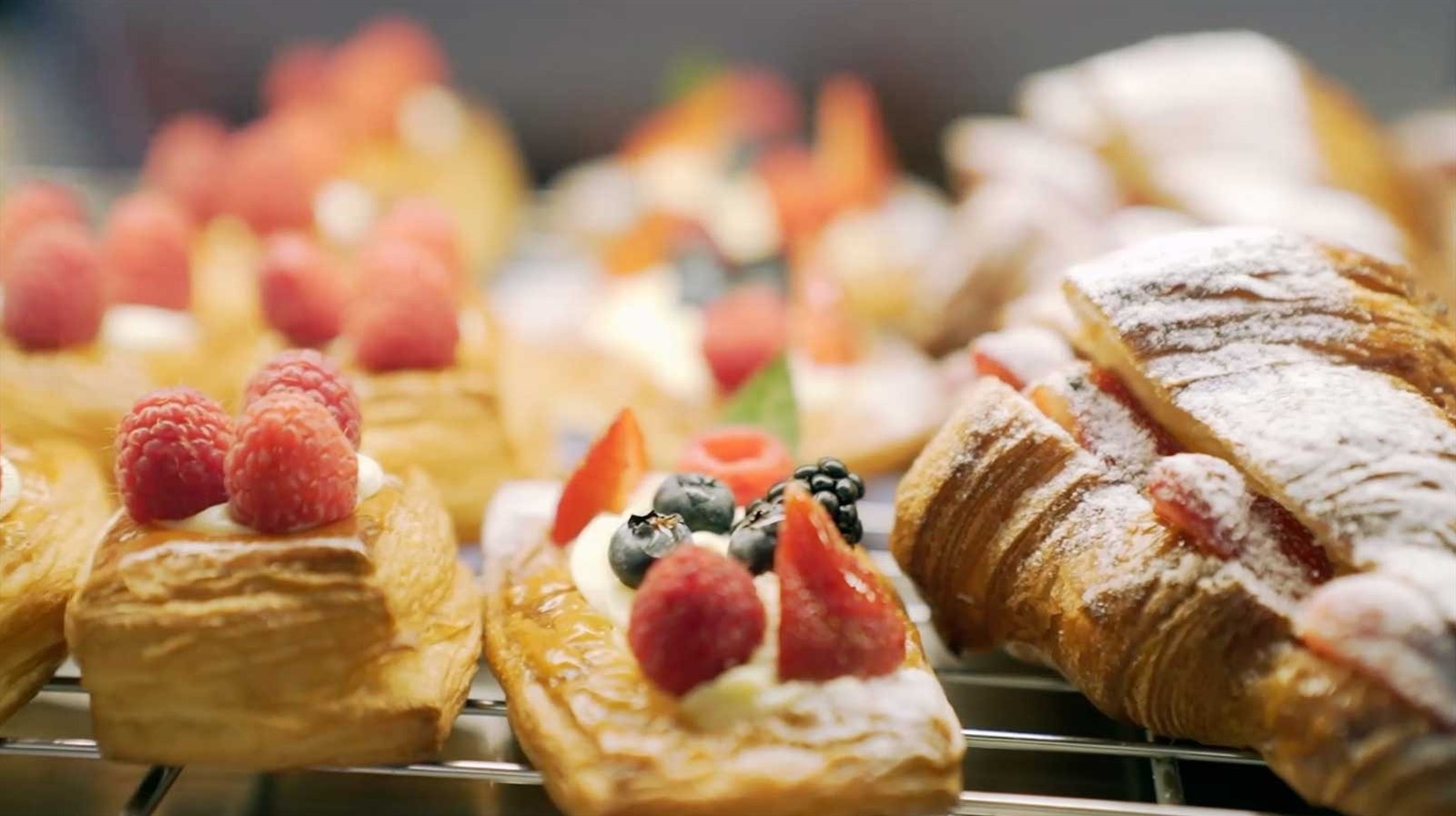
4 weeks agoThe fascinating history of French cakes and sweets - The Good Life France
Suddenly, a strange, loud, rhythmic, prolonged noise, like the dying moan of an organ, then the dying wail of the breeze sighing in the cloisters, struck the indignant ears of the nuns with astonishment. The nuns all turned to stare at Sister Agnès, who in her embarrassment, tripped and let fly a spoonful of her chou pastry dough into a pot of boiling fat, and the doughnut-like pet de nonne, 'nun's fart' was born.
Paris food
Paris food
fromPARIS BY MOUTH | WE'RE DELICIOUS
12 years agoBehind the Scenes at Paris' Best Baguette Competition | PARIS BY MOUTH
A bread enthusiast served as a jury member for Paris' 2013 Best Baguette competition, evaluating 152 baguettes based on appearance, cooking, texture, smell, and taste according to strict traditional French standards.
Food & drink
fromTasting Table
2 months agoNYC's Petit Chou Makes Pastries That Look Too Good To Be Real Until You Taste Them - Tasting Table
Petit Chou is an East Village French-inspired bakery specializing in choux pastry, laminated viennoiserie, creative sweet and savory items, and seasonal rotating menus.
fromTasting Table
3 weeks agoTake No-Bake Eclair Cake To The Next Level When You Add This Gem To The Ganache - Tasting Table
Softened graham cracker layers mimic choux pastry, and vanilla pudding turns into a rich, creamy spread. Ganache crowns this beauty, turning this easy-to-make treat into something that looks far more complicated than what is actually required to put together.
Cooking
fromTasting Table
2 weeks agoDo Bakeries Ever Use Premade Cake Mixes For Their Bakes? - Tasting Table
One piece of evidence is that there are actually quite a few cake mixes out there sold in bulk and specifically marketed to bakeries. A 50-pound bag of red velvet cake mix doesn't have a lot of uses aside from a fairly large-scale operation. But beyond that, there are plenty of bakery employees on the internet spilling the beans.
Cooking
fromwww.london-unattached.com
2 months agoPasteis de Nata The Iconic Portuguese Sweet Custard Tart
The use of egg whites to starch religious garments in the early eighteenth century was the catalyst for what is now one of Portugal's most famous dishes. That practice led to a surplus of egg yolks, and to avoid waste, monks and nuns invented rich, egg-yolk-based desserts and pastries. The famous custard tart baked in a crispy pastry shell was created at the Jeronimos Monastery in Belem, Lisbon, and the pasteis de nata were initially sold to help support the monastery.
Food & drink
Cooking
fromTasting Table
3 weeks agoThis Often-Overlooked Creme Brulee Addition Adds Unique And Sweet Floral Notes - Tasting Table
Adding honey to crème brûlée introduces nuance and depth while complementing the delicate cream, egg, and vanilla flavors with floral, fruity, or caramel notes depending on honey varietal.
fromTasting Table
1 month agoThe Lighter Crust Swap That Makes Quiche Extra Crisp - Tasting Table
Using phyllo dough instead of traditional shortcrust for quiche changes the whole personality of the dish. The paper thin sheets of phyllo dough becomes light, flaky, and crunchy when baked, swapping rich, buttery heft for a lighter quiche with a crispy shell that shatters a little when you cut into it.
Cooking
Cooking
fromBusiness Insider
1 month agoI left my 6-figure job at Google to attend pastry school in France. Now I work on Disney cruise ships.
Valerie Valcourt left a six-figure tech career at Google to pursue pastry school in France, following a childhood passion that persisted despite parental discouragement and years of corporate work.
fromBuzzFeed
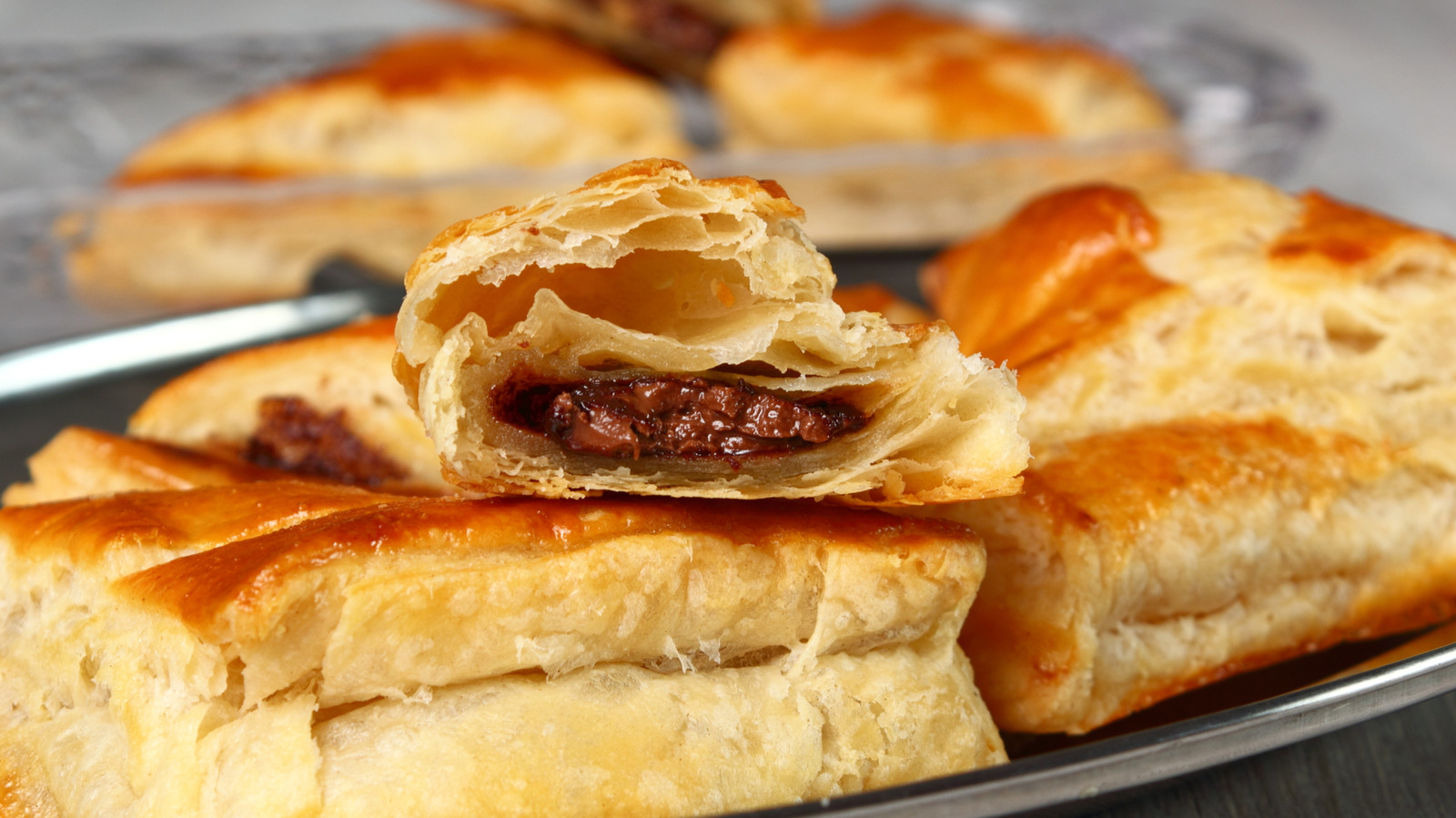
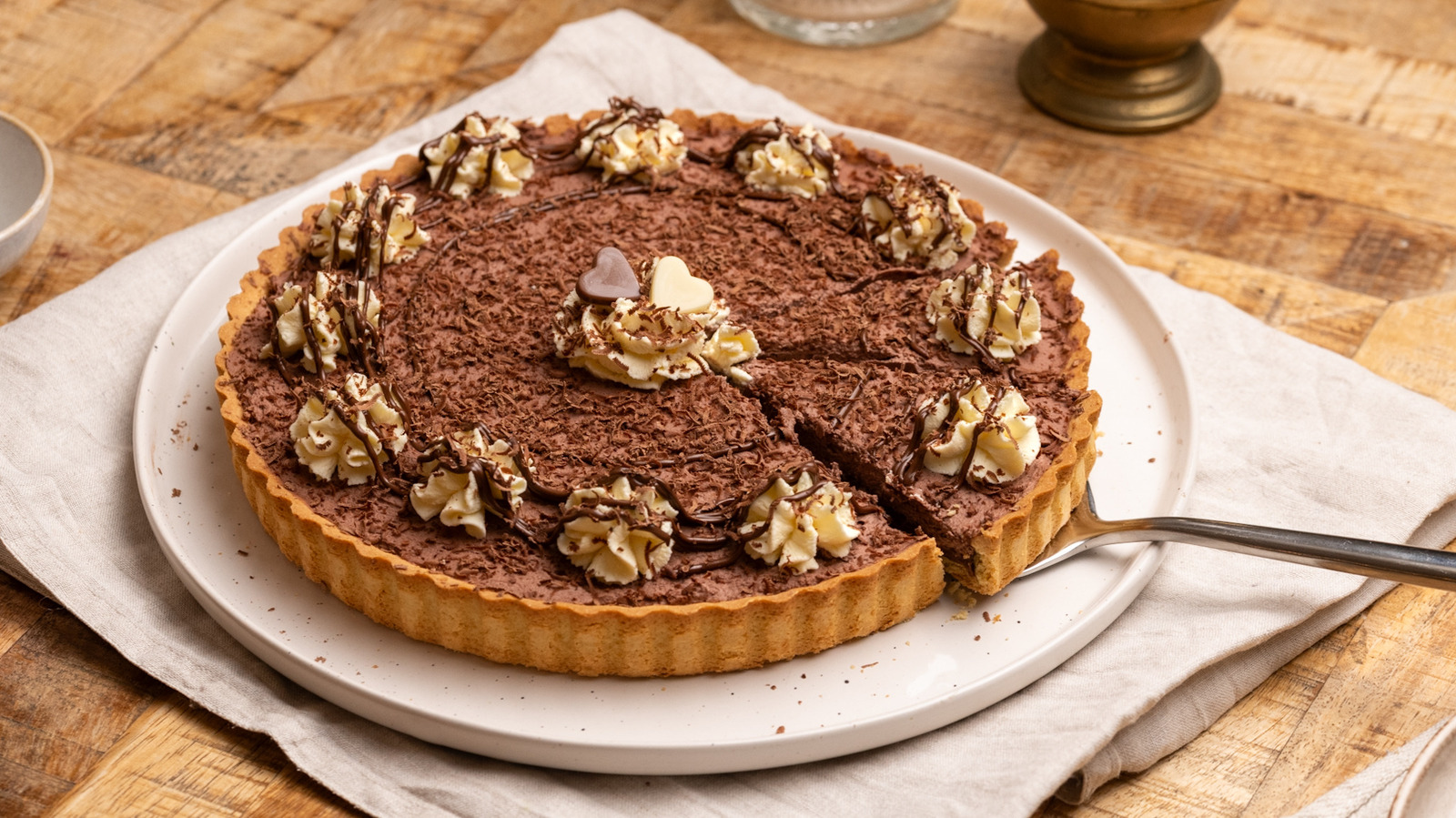
2 months agoThe Average Person Won't Be Able To Identify These Desserts From Just Their Ingredients, So I'll Be Impressed If You Do
I love dessert as much as the next person. The existence of dessert is truly one of the best things to have happened to mankind, and I've always had immense respect for people who know how to make these sweet treats. Now, if you're curious like me, you've probably also tried whipping some stuff up in the kitchen (no one's going to ask if you failed. That's between you and your stand mixer).
Cooking
fromFrenchly
2 months agoThe Best French Crepe Recipes for Chandeleur - Frenchly
Every year on February 2nd, France celebrates La Chandeleur, also known as Candlemas Day or Crêpe Day. This centuries-old tradition was once linked to candlelight processions and good fortune rituals, but today it is mostly about something far more delicious: making and eating crêpes with family and friends. A famous French custom says that you should flip a crêpe with your right hand while holding a coin in your left-if you succeed, prosperity will come your way in the year ahead.
Cooking
fromTasting Table
1 month agoThe Step You Can't Skip When Baking With Blueberries - Tasting Table
The step is coating blueberries with cornstarch before adding them to your mix. "Blueberries leak a lot as they bake, and that juice can mess with the crumb or make things a bit wet," Daud explains. "The cornstarch soaks up some of that moisture, so the berries stay more contained." Dredging in cornstarch gives you more control over the berries and resulting texture of your bake, as it keeps them intact and their moisture in check.
Cooking
[ Load more ]