#rory-townsend
#rory-townsend
[ follow ]
#memory #literature #aging #julian-barnes #identity #historical-fiction #coming-of-age #blood-cancer #ben-lerner

Psychology
fromwww.theguardian.com
2 weeks agoReaders reply: which are more like life, novels or films?
Films and novels employ fundamentally different narrative techniques to convey character psychology, with neither medium inherently more realistic than the other due to their diverse stylistic approaches.
Film
fromIndependent
3 weeks ago'Culturally, we've always punched pretty hard,' says 'Harry Potter' star Gleeson as Oscar Wildes' 'Irish' rally behind Jessie Buckley
Ireland's film industry celebrated its Hollywood achievements at the 20th anniversary Oscar Wilde Awards in Los Angeles, marking Irish-American film collaboration during Oscar season.
fromLondon On The Inside
3 weeks agoOne of London's Most Unusual Bookshops | Neighbourhood Watch
Running out of a tiny kiosk in Clerkenwell, Exmouth Cultural Kiosk is a secondhand bookstore and self-publishing project that sells books for as little as £2. The selection rotates often and can include everything from Tennyson to its own guide to Clerkenwell pubs.
London food
Berlin
fromLondon Unattached
3 weeks agoBertrand's Townhouse - boutique hotel in Bloomsbury - review
Bertrand's Townhouse, a new 43-room 4-star boutique hotel in Bloomsbury, opened in December 2025 near the British Museum, preserving Grade II listed Georgian features while honoring the area's intellectual heritage.
Books
fromwww.theguardian.com
4 days agoDoes anyone think Matt Goodwin's book on Britain's demise is a publishing sensation? I mean, other than him | Marina Hyde
Liz Truss's book quickly sold out but fell to No 223 in sales, while Matt Goodwin's book faced controversy over AI assistance and publicity tactics.
fromwww.theguardian.com
2 weeks agoHowl by Howard Jacobson review a tragicomic portrait of a Jewish man's despair
Howard Jacobson writes characters at their wits' end; those characters are usually men, and those men are usually Jewish. Additionally, and problematically for both them and everyone around them, their collective wits are capacious: easily enlarged to allow idiosyncrasy to bloom into neurosis, preoccupation into obsession.
Writing
Psychology
fromSilicon Canals
1 month agoWhy some of us build entire worlds inside our heads and then feel homesick for places that never existed - Silicon Canals
Elaborate inner worlds built through imagination are common cognitive features that fulfill emotional needs, characterized by specific details and consistent logic that can persist for decades.
Books
fromwww.npr.org
3 weeks agoAuthor Luke Kennard talks about his novel, 'Black Bag'
Luke Kennard's novel 'Black Bag' fictionalizes a 1967 psychology experiment where a silent, bagged actor in a classroom gradually becomes liked by students through repeated exposure, exploring how familiarity transforms perception.

Books
fromwww.theguardian.com
2 weeks agoAlmost Life by Kiran Millwood Hargrave review a will-they-won't-they queer romance
Almost Life chronicles a decades-long romance between two women beginning in 1970s Paris, exploring queer love, missed opportunities, and the consequences of life choices across different social contexts.
fromThe Washington Post
2 weeks agoLen Deighton, bestselling spy novelist with wry take on espionage, dies at 97
Unlike the agents created by writers such as Ian Fleming, John le Carré and Graham Greene - characters who moved in the upper echelons of the intelligence field - the nameless protagonist of Mr. Deighton's early spy novels was a working-class man who indulged in insolence and wisecracks as he set out to pull defectors from behind the Iron Curtain, root out moles and thwart criminal madmen.
Books
Television
fromwww.theguardian.com
1 month agoA modern masterpiece': writer Jack Thorne's best TV shows from This Is England to Adolescence
Jack Thorne is a prolific British playwright and screenwriter responsible for many acclaimed TV dramas, stage plays, and films, with several major projects forthcoming.
fromCN Traveller
3 years agoThe best things to do in Oxford
The Oxford Artisan Distillery (TOAD) produces its whiskey, gin, vodka and liqueur from heritage wheat and rye varieties rediscovered in the thatch of medieval roofs. It's an example of the extraordinary lengths the distillers go here to create their unique flavours while building a regenerative farming system along the way. Tour the distillery to find out all about the processes involved,
Food & drink
fromwww.theguardian.com
2 months agoBernardine Evaristo renews call to diversify school curriculum in England
There has been progress in the diversity of texts on offer in the GCSE English literature curriculum, but uptake in schools is still low with just 1.9% of GCSE pupils in England studying books by authors of colour, up from 0.7% five years ago, according to a report. Compiled by the campaign group Lit in Colour, the report says progress is too slow and that
Education
fromThe Nation
1 month agoBarbara Pym's Archaic England
Thatcher rose to power on the back of a campaign to Make Britain Great Again-a promise to reverse the previous two decades of austerity, imperial contraction, and stagnating modernization. By 1979, the country was undeniably in decline-not just materially but on a more ineffable level, too. Divested of the unifying effect of global superpower status, the increasingly dis-United Kingdom's common identity was now an open, and anxious, question.
UK politics
Books
fromwww.theguardian.com
3 weeks agoDaisy Johnson: I wasn't a fan of David Szalay, but Flesh is a masterpiece'
Reading shapes identity across life stages, from childhood memories through formative teenage years to adult perspectives, with specific books creating lasting connections and inspiring creative ambitions.
fromwww.theguardian.com
3 weeks agoUK Society of Authors launches logo to identify books written by humans not AI
The SoA said the absence of any government measure to compel tech companies to label AI-generated output meant readers were struggling to distinguish between books written by a human, and machine-generated work based on AI models trained on copyrighted work without permission or payment.
Books
fromwww.theguardian.com
1 month agoWuthering Heights is at its heart a story of class and race. Emerald Fennell has got it all wrong | Rhiannon Lucy Cosslett
Admittedly, this one came with a fair few red flags, from the casting of Margot Robbie (simply too old, Cathy is a teenager) and Jacob Elordi (simply too white, Heathcliff, while his origins are uncertain, is described as darker skinned) to the unhinged marketing and crass brand tie-ins. Nevertheless, I was still excited to see it. So why did I leave the cinema not only bored, but feeling a little bit sad?
Film
Books
fromSlate Magazine
3 weeks agoA Radiant New Novel Uses Time Travel in a Wonderfully Fresh Way
Francis Spufford's novel Nonesuch features a time-travel plot centered on a fascist sympathizer attempting to prevent Britain's declaration of war, with conflict between her and a working-class secretary driving the narrative.
fromwww.theguardian.com
4 weeks agoMalorie Blackman on Noughts & Crosses at 25: It's even more relevant today'
I sat down at my computer really angry, she tells me. It was the 1990s, the time of the murder of Stephen Lawrence and the Macpherson report's finding of institutional racism within the Metropolitan police. It was my way of channelling that anger.
Books
Books
fromwww.theguardian.com
4 weeks agoSaba Sams: I've no interest in reading Wuthering Heights again'
Jacqueline Wilson's unflinching approach to children's literature, alongside works by authors like Gwendoline Riley and Clarice Lispector, demonstrates that literary courage and emotional complexity resonate more powerfully than conventional safety or virtuousness.
Writing
fromwww.theguardian.com
1 month agoTrip to the Moon by John Yorke review a storytelling handbook in dire need of an edit
Understanding five-act narrative structure helps craft commercially effective, emotionally compelling plot-driven stories that tap themes of healing, reinvention and political rhetoric.
Books
fromwww.theguardian.com
1 month agoTales of the Suburbs by John Grindrod review an entertaining alternative history of queer Britain
John Grindrod's alternative history chronicles queer life in British suburbs and small towns, departing from typical urban-centered narratives to reveal how LGBTQ+ people navigated identity and community in non-metropolitan areas.
Books
fromwww.theguardian.com
1 month agoThe Quantity Theory of Morality by Will Self review raucously inventive state-of-the-nation satire
Will Self's new novel The Quantity Theory of Morality extends his 1991 debut theory by proposing that moral resources are finite and their depletion inevitably triggers widespread bad behavior across all social groups.
fromwww.theguardian.com
2 months agoTo say I was the favourite would imply I was liked': Mark Haddon on a loveless childhood
cardiganed grandmothers eating roadside picnics beside Morris Minors, pale men sunbathing in shoes and socks on stripy deckchairs, Raleigh Choppers and caged budgerigars and faux leather pouffes I feel a wave of what can't properly be called nostalgia, because the last thing I'd want is to return to that age and those places where I was often profoundly unhappy and from which I'd have been desperate to escape if escape had been a possibility.
Writing
Books
fromwww.theguardian.com
1 month agoBen Markovits: I used to think any book concerned with people falling in love can't be very good'
Reading shaped formative years through detective stories, fantasy epics, and memoirs that provided companionship and escape during frequent moves and family transitions.
Books
fromwww.theguardian.com
1 month agoThese books are pushing boundaries': winners of 30,000 Inclusive Books for Children awards announced
Six female authors won the 2026 Inclusive Books for Children awards, with winning titles featuring diverse representation in children's literature across multiple age categories.
fromwww.theguardian.com
1 month agoAs If by Isabel Waidner review surreal doppelganger story
As the trophy takes the form of an elusive UFO, Corey Fah an outsider unfamiliar with the baffling inner workings of the system is unable to collect or even confirm the award. Waidner has said that the novel was partly inspired by the experience of winning the Goldsmiths prize for their previous work Sterling Karat Gold, and by the ephemeral nature of success, with its unfamiliar contexts of social power and opportunity.
Books
Books
fromwww.theguardian.com
2 months agoCameo by Rob Doyle review a fantasy of literary celebrity in the culture war era
Perky, satirical portrait centred on a globe-trotting Dublin figure whose sensational life—crime, drugs, sex, espionage—and pettiness lampoon contemporary literary culture and celebrity.
fromwww.theguardian.com
2 months agoI could never hope to equal it again': Jeffrey Archer announces next novel will be his last
When I came across the idea for this novel a few years ago, I knew it was bigger in scope than anything I'd done before and I accepted that the research alone would be more demanding than anything I'd tackled in the past. When I finally sat down to write Adam and Eve I also realised, by the end of the first draft, that this was going to be my final novel,
Books
fromwww.theguardian.com
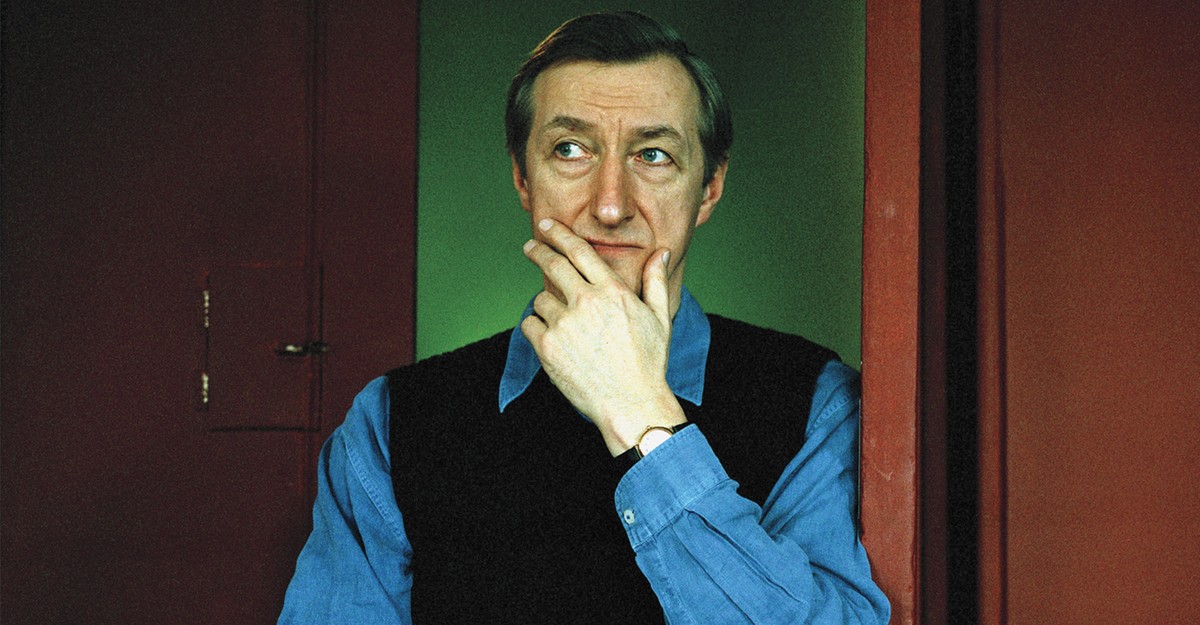
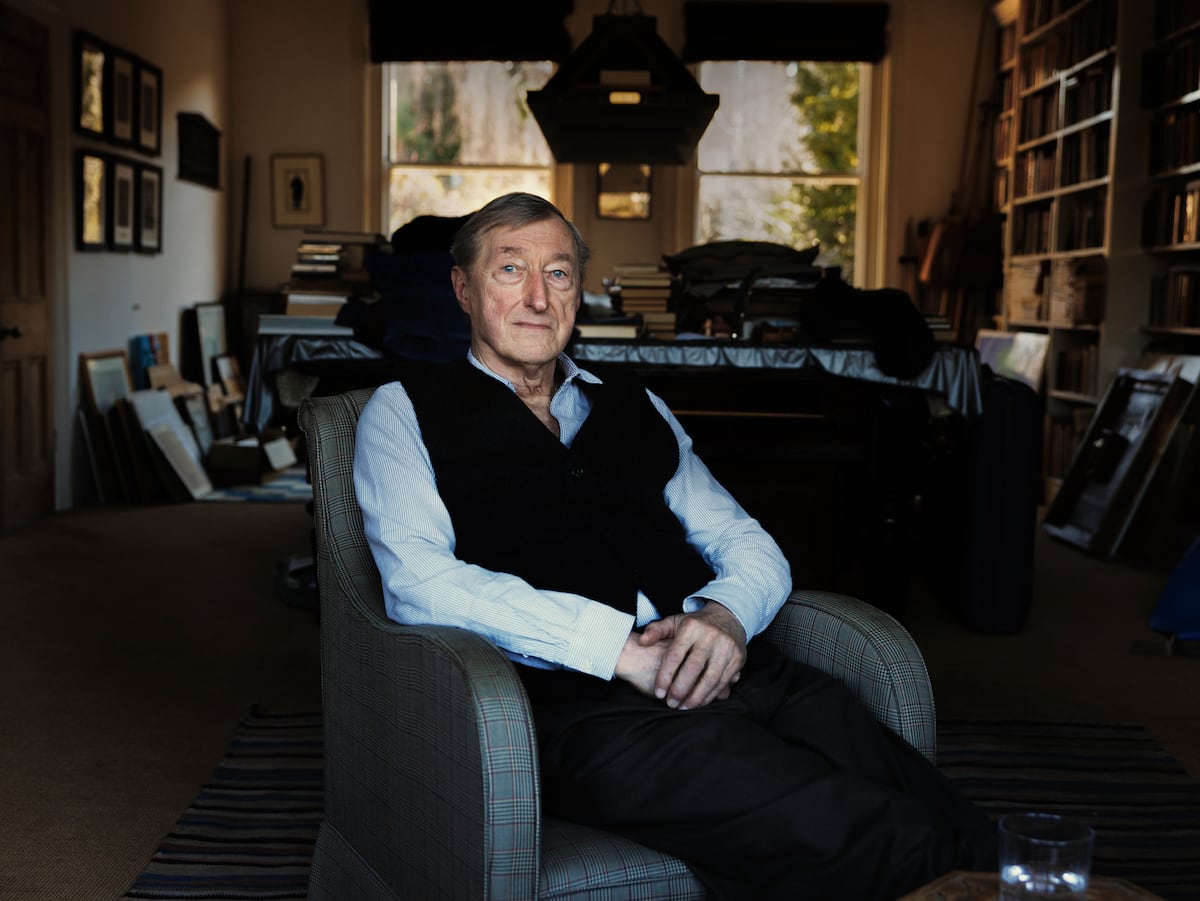
1 month agoBeyond Trainspotting: The World of Irvine Welsh review uniquely funny writer holds court
The extended footage of Welsh in conversation is certainly engaging, as he discusses his writing and the movies it created, and his own youth in Edinburgh. Some of the rest of the interviewees aren't quite so gripping, however, and the film is padded out with a fair bit of redundant anecdotage from people on the subject of getting hilariously wasted in Irvine's company or at least his approximate vicinity.
Books
fromwww.theguardian.com
1 month agoMore heartache than Hamnet?: Maggie O'Farrell's best books ranked!
The ghost of a previous lover is always a challenge, particularly if you (mistakenly) believe that she's actually dead. This is the unenviable situation for Lily, the protagonist of O'Farrell's second novel, who is swept off her feet by dashing architect Marcus and in short order moves in with him. Lily takes his assurances that her predecessor Sinead is no longer with us to mark a more permanent absence;
Books
fromThe New Yorker
2 months ago"This Is How It Happens," by Molly Aitken
You are leaving work, your suit still damp from the morning's downpour, the skin on your palms peeling. You are clutching two supermarket bags, tins of cream soup and tuna knocking against one another. The rain is hard and your anorak is cheap. You are on your way to Stockbridge, to your parents' house, which only your father inhabits now that your mother is gone.
Books
fromwww.theguardian.com
1 month agoThe best recent poetry review roundup
Best known as a memoirist, Morrison returns to poetry after 11 years with a masterclass of lyric distillation and charged observation, demonstrating that nothing is beneath poetic deliberation. His subjects range from social and political justice to meditations on poetic heroes such as Elizabeth Bishop and sonnet sequences elegising the writer's sister. The interwoven specificity and occasional nature of the poems is captivating:
Books
fromwww.theguardian.com
2 months agoMay We Feed the King by Rebecca Perry review a dazzling puzzle-box of a debut
We are initiated into a world in which historically accurate foodstuffs can be ordered online a half oyster shell, the exposed flesh shining as if with the freshest brine, is 31.25 for a single piece and begin to understand one of the most striking things about this novel: its insistence upon detail, its utter specificity, set against a deliberate lack of specificity regarding the larger details that the reader's mind naturally itches to fill in.
Books
[ Load more ]