#tiktok-confrontation
#tiktok-confrontation
[ follow ]
#tiktok #social-media #creator-economy #data-privacy #advertising #mental-health #influencer-marketing #meta #gen-z
Relationships
fromSilicon Canals
5 hours agoNobody tells you that expecting instant replies is a relatively new social norm - and that an entire generation learned to communicate in ways that never required it - Silicon Canals
Instant communication has created pressure that undermines meaningful relationships, which thrived in a slower-paced era of correspondence.
fromFast Company
13 hours agoWhy Gen Z is fangirling over Apple's 'Finder Guy' mascot
Finder Guy is an adorably chunky, dual-toned blue creature with a rounded head and a perpetual smile. Apple is being fairly tight-lipped about him; he hasn't been officially announced or acknowledged by the company.
Apple
fromThe Atlantic
10 hours agoHow Some People Became So Averse to Hype
Anna Holmes defines 'hype aversion' as a reflex against being told what to like, suggesting that popularity can create pressure rather than signal quality. This feeling can lead to a deliberate choice to resist mainstream culture.
Media industry



fromwww.theguardian.com
18 hours agoSix great reads: the OnlyFans legacy, stolen cargo and Meta's creepy' glasses
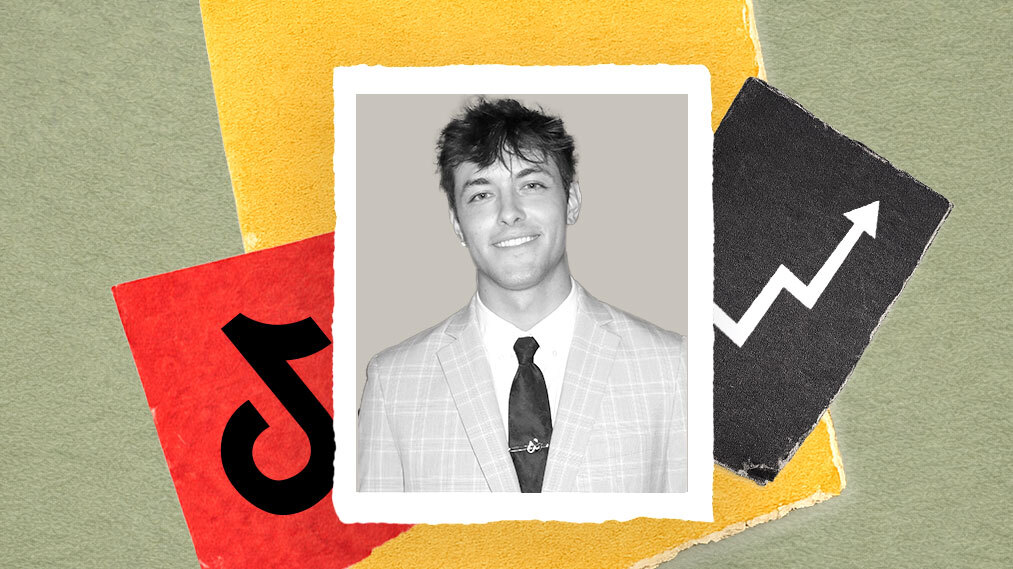
Leonid Radvinsky's death leaves a void in the leadership of OnlyFans, a platform that has transformed the adult content landscape. His secretive management style and the controversies surrounding the site have raised questions about its future direction and stability.
Photography
#social-media


Law
fromMuse by Clios | Discover the latest creative marketing and advertising news. Muse by Clio is the premier news site covering creativity in advertising and beyond.
4 days ago2 Rough Social Media Rulings Could Actually Improve the Platforms | Muse by Clios
Recent jury verdicts against Meta and YouTube signal a shift in accountability for social media platforms regarding child safety and mental health.

Toronto startup
fromFortune
4 days agoThe beauty counter is now on your For You page as Ulta Beauty joins TikTok Shop, betting on the platform reshaping how America consumes | Fortune
Ulta Beauty launched on TikTok Shop, becoming the first specialty beauty retailer on the platform, enhancing its commerce capabilities.


#australia
Privacy professionals
fromExchangewire
3 days agoDigest: Meta, TikTok, and Google Under Investigation for Failure to Comply with Australia's Social Media Ban; California Defies Trump on AI Demands - ExchangeWire.com
Australia's eSafety Commission warns major social media platforms are failing to enforce the under-16 social media ban.
fromWIRED
1 week agoThere's Something Very Dark About a Lot of Those Viral AI Fruit Videos
"I've spent a lot of time looking at the comment sections on these videos actually, and it does not seem like bots. I clicked on people's profiles, these are real profiles, thousands of followers, no signs of inorganic activity. People just like it."
Television
Marketing
fromForbes
3 weeks agoInfluencers Are Leaving The Feed And Entering The Real World
Influencer marketing is evolving from one-off social media posts to integrated brand partnerships where creators function as core media infrastructure helping design campaigns across multiple platforms and physical spaces.
Social media marketing
fromCurtis Sliwa & Larry Mendte In The Morning
2 weeks agoThe Pros And Cons Of Major Social Media Apps | 710 WOR | Curtis Sliwa & Larry Mendte In The Morning
Discord and similar social media platforms face criticism for inadequate monitoring of private communications, enabling both harmful activities like terrorist recruitment and positive community building.
fromTechCrunch
2 months agoWhat you should know about the owners of US TikTok | TechCrunch
ByteDance, TikTok's Chinese parent company, recently established a separate American entity to run the app's U.S. operations. This restructuring aims to separate U.S. TikTok from its Chinese parent, addressing concerns about data privacy and foreign control. The move came after years of pressure from lawmakers, who feared the Chinese government's potential access to Americans' data. In 2024, Congress enacted a law, mandating that TikTok's U.S. operations be separated from ByteDance.
Venture
Social media marketing
fromPhys
3 weeks agoSocial media influencers increase the toxicity and power of misinformation, research shows
Social media influencers perpetuate misinformation more effectively than regular users due to parasocial relationships with followers and financial incentives tied to engagement.
fromTech Times
2 months agoWhy US TikTok Users Are Deleting the App Amid Censorship, Glitches, and Privacy Fears
US TikTok users are navigating a major ownership shift as TikTok USDS Joint Venture LLC takes control of American operations, addressing longstanding national security concerns. Amid the transition, glitches, feed changes, and privacy policy scrutiny fuel uncertainty, prompting creators and casual users alike to reevaluate their engagement. Daily uninstall rates have spiked dramatically, while rival platforms gain traction, illustrating how trust, control, and technical reliability shape digital loyalty in real time.
US politics
fromBustle
2 months agoOn TikTok, People Love Weekly "Friend Dates"
All the swiping, chatting, and meeting up on Thursday nights - even when you're super tired or not in the mood to go out. Now imagine putting that same effort into seeing your friends. On TikTok, people are talking about the importance of friendship and how easy it is to deprioritize your besties. While you might love your friends, it's not uncommon to go weeks, and sometimes even months, without seeing them.
Relationships
fromFast Company
2 months agoTikTok's odd behavior was caused by a tech issue-but users' response indicates the app has a trust problem
Anyone wanting to get their TikTok fix in the United States recently had a rough time. The app went haywire, kicking off early on the morning of January 25, due to a power outage at a key data center that knocked out services nationwide. Users reported the app crashing, with videos getting stuck and refusing to play, upload, or even hit a single view.
US news
fromwww.theguardian.com
2 months agoWhy TikTok's first week of American ownership was a disaster
A little more than one week ago, TikTok stepped on to US shores as a naturalized citizen. Ever since, the video app has been fighting for its life. TikTok's calamitous emigration began on 22 January when its Chinese parent company, ByteDance, finalized a deal to sell the app to a group of US investors, among them the business software giant Oracle.
US politics
fromBusiness Insider
2 months ago'Heated Rivalry' is rewriting the rules of online fandom
There's something different about the "Heated Rivalry" online fandom from what I typically see - something strange brewing in the feeds, something I haven't seen in a long time, or maybe ever. It's easy for a topic to suddenly take over my Instagram Reels or TikTok feeds - those algorithms seem so sensitive that interacting with just a handful of posts on a topic can instantly send you down a rabbit hole.
Television
fromHer Campus
3 weeks agoIs Social Media Creating Micro-Celebrities?
The rise of TikTok and YouTube has dramatically changed the lives of content creators by turning social media into a legitimate career path rather than just a hobby. These platforms allow ordinary people to build massive audiences without traditional media connections, often through algorithm-driven exposure.
Social media marketing
fromAdExchanger
2 months agoTikTok US (Finally) Emerges; Forbes, For Bettor Or Worse | AdExchanger
TikTok also updated its Terms of Service and Privacy Policy to inform users that it will be collecting "new types of information," including device geolocation. What has , though, is a clause stating that the app will also collect any information they disclose about their race, religion, health, sexual orientation, gender identity and citizenship or immigration status. Interestingly, this language was likely added in , which is before President Trump returned to office.
Privacy professionals
[ Load more ]