#usdot-inquiry
#usdot-inquiry
[ follow ]
#transportation #autonomous-vehicles #electric-vehicles #new-york-city #transportation-policy #infrastructure


fromAdvocate.com
4 days agoPete Buttigieg spotlights ethics concerns about Trump Transportation Secretary Sean Duffy
The Atlantic report details financial and political activity involving Duffy, a former Republican congressman representing Wisconsin, that ethics experts say blurs the line between public office and political activity.
SF politics


fromABC7 San Francisco
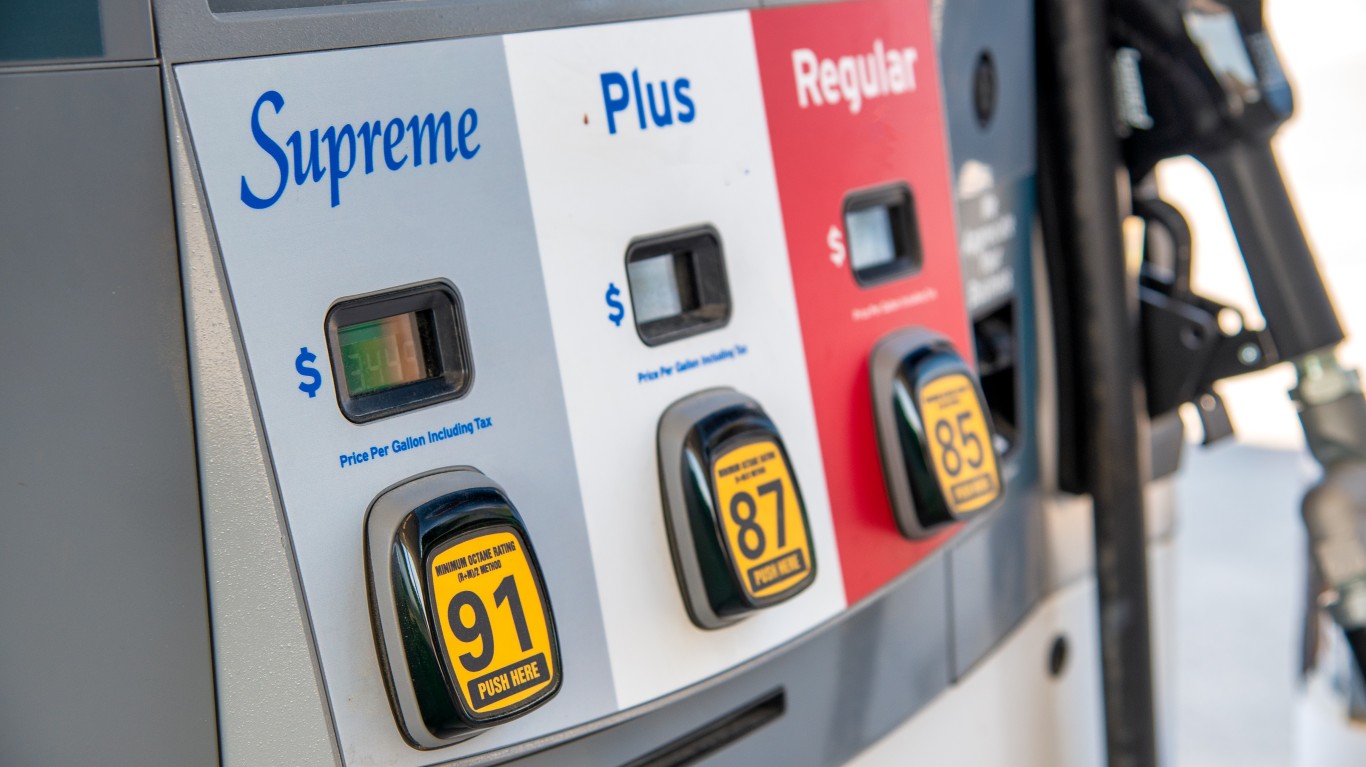
1 day agoAmazon, UPS, FedEx, USPS add temporary fuel surcharges to offset extra costs
"Transportation costs are a big factor there. Every company that is involved and has logistics and they have to pay for gas, either they have to absorb this cost, or they will charge the third party that will provide this service. I'm not surprised this is happening, because at some point, Amazon will say we cannot absorb all this cost."
Alternative transportation

Alternative transportation
fromElectric Bike Reviews, News, & Testing
23 hours agoNew Legislation Supports Federal E-Bike Definitions, Bosch Allows 3rd Party Flow App Integration, CA Frame Part Supplier Closes | TWR Ep 77
A bipartisan bill aims to standardize e-bike definitions and regulations at the federal level, while Bosch enhances its eBike Flow app for third-party integration.
fromwww.cbc.ca
6 days agoHere's where you will or won't see a fuel surcharge | CBC News
Jet fuel tends to be an airline's biggest expense. An analysis by the International Air Transport Association showed that, for the week ending March 27, the weekly average price of jet fuel has skyrocketed 116.8 per cent compared to the previous year's average.
Canada news
fromwww.amny.com
3 days agoAOC urges Hochul to scrap plan that would widen Cross Bronx Expressway | amNewYork
Ocasio-Cortez emphasized the need to protect the community, stating, 'On behalf of my constituents and nearly 64,000 local residents impacted by this project, I am requesting that your administration reject any plans to expand the Cross Bronx Expressway beyond its current footprint.'
NYC politics
fromEngadget
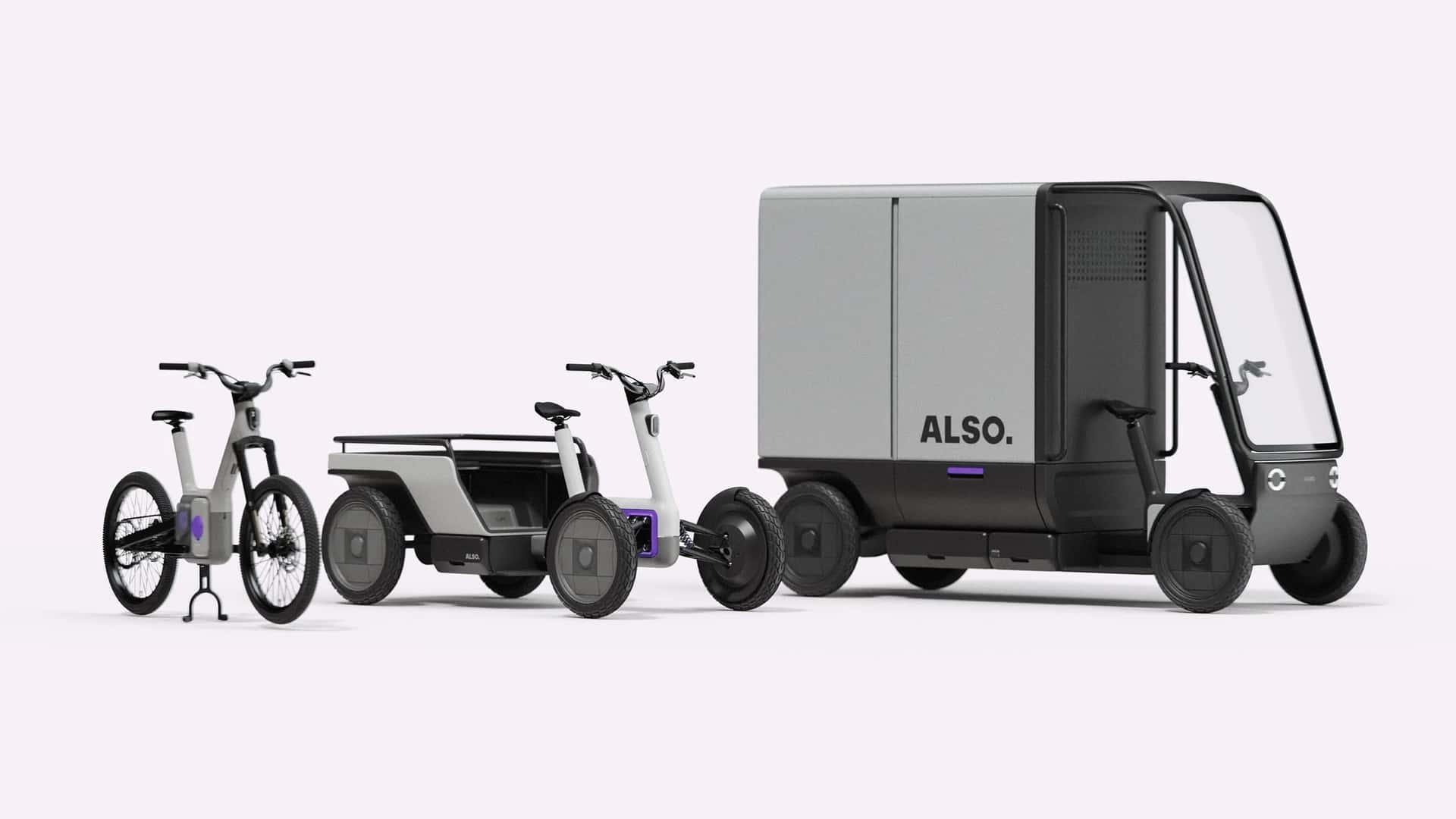
6 days agoDoorDash partners with Rivian spinoff Also for autonomous delivery vehicles
DoorDash's investment in Also aims to develop and accelerate the deployment of autonomous delivery at scale, focusing on areas not yet fully solved for, including intersections of roadways and bike lanes.
Toronto startup
Environment
fromStreetsblog
1 month agoDear Trump: the Future Belongs to the Efficient - Streetsblog USA
Life expectancy increases with energy consumption only at low levels; beyond 40-50 GJ per capita, additional energy use shows minimal health benefits and may correlate negatively in wealthy nations.
Alternative transportation
fromSustainable Bus
6 days agoNew certified Ultrafabrics collections target durability and compliance in passenger transport interiors - Sustainable Bus
Ultrafabrics launches new certified collections for passenger transport, combining durability, aesthetics, and sustainability in high-performance upholstery fabrics.
fromStreetsblog
2 weeks agoOpinion: The Federal Railroad Administration's Proposed Amtrak Restructuring is Worth Considering - Streetsblog USA
While dozens of other countries have delivered fast, modern train networks, we are stuck with a skeletal system built largely on slow, 19th-century alignments. Even developing nations are passing us by. There is growing recognition at the federal level that things need to change, but substantial and comprehensive reform would require an act of Congress.
Alternative transportation
fromSustainable Bus
1 month agoEvolution: the practical path to autonomous buses - Sustainable Bus
It's tempting to frame autonomous driving as a single leap. In public transport, adoption tends to be incremental - because the system is built for reliability, and new capabilities have to fit into daily operations without disrupting service. That is why a practical strategy is evolution, not revolution: introduce autonomy in a defined domain, learn safely in real operations, and expand capability step-by-step.
Artificial intelligence
Alternative transportation
fromNature
2 weeks agoAffordable mobility for all: why we need smaller, cheaper electric vehicles
Low-speed electric vehicles offer affordable, practical decarbonization for underserved populations but remain overlooked due to bias toward expensive, high-tech solutions and nationalist trade policies.
fromSocial Media Explorer
2 months ago10 Last Mile Technology Trends Transforming Urban Logistics in 2025 - Social Media Explorer
Urban logistics is entering a new era where practical technology drives meaningful results. Today, more than 55% of people live in cities, and urbanization is expected to rise to 68% by 2050, placing intense pressure on delivery networks to keep up with growing demand. U.S. e-commerce is projected to reach $1.1 trillion in sales by 2026, heightening expectations for faster and more reliable last-mile service.
E-Commerce
fromStreetsblog
2 months agoWhat the 'Abundance' Agenda Could Mean For Equitable Transportation - Streetsblog USA
The new "abundance" agenda can deliver a wealth of equitable transportation options - but only if its proponents recognize how our glut of highways has contributed to the "scarcity" they say they hope to tackle, advocates are saying.Inspired by the Ezra Klein and Derek Thompson's book of the same name, "abundance" became a political buzzword across America in 2025, inspiring a universe of think-pieces and justification for a raft of deregulatory policy proposals.
US politics
[ Load more ]