#evolutionary-developmental-psychology

[ follow ]
Psychology
fromSilicon Canals
6 hours ago

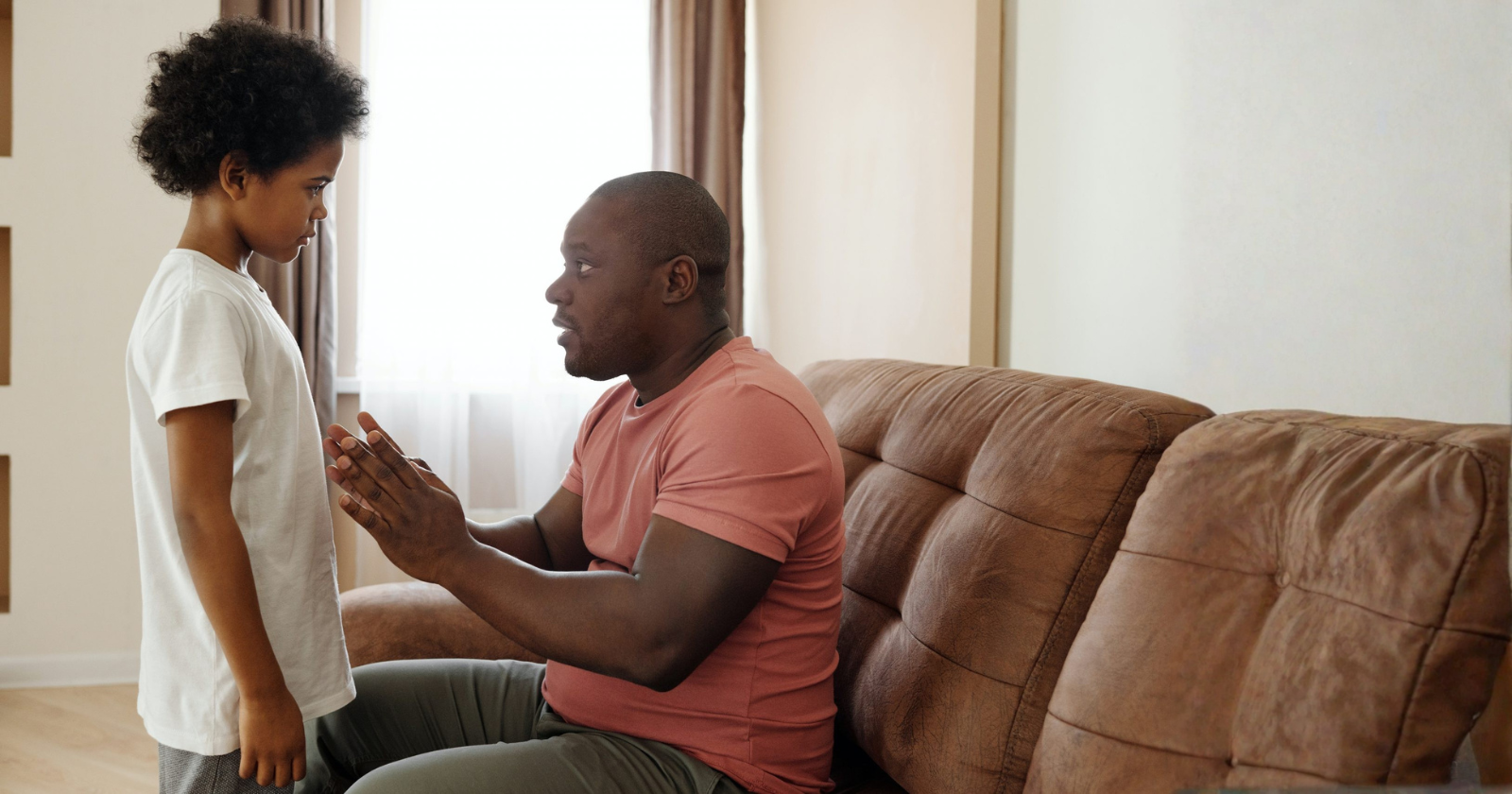
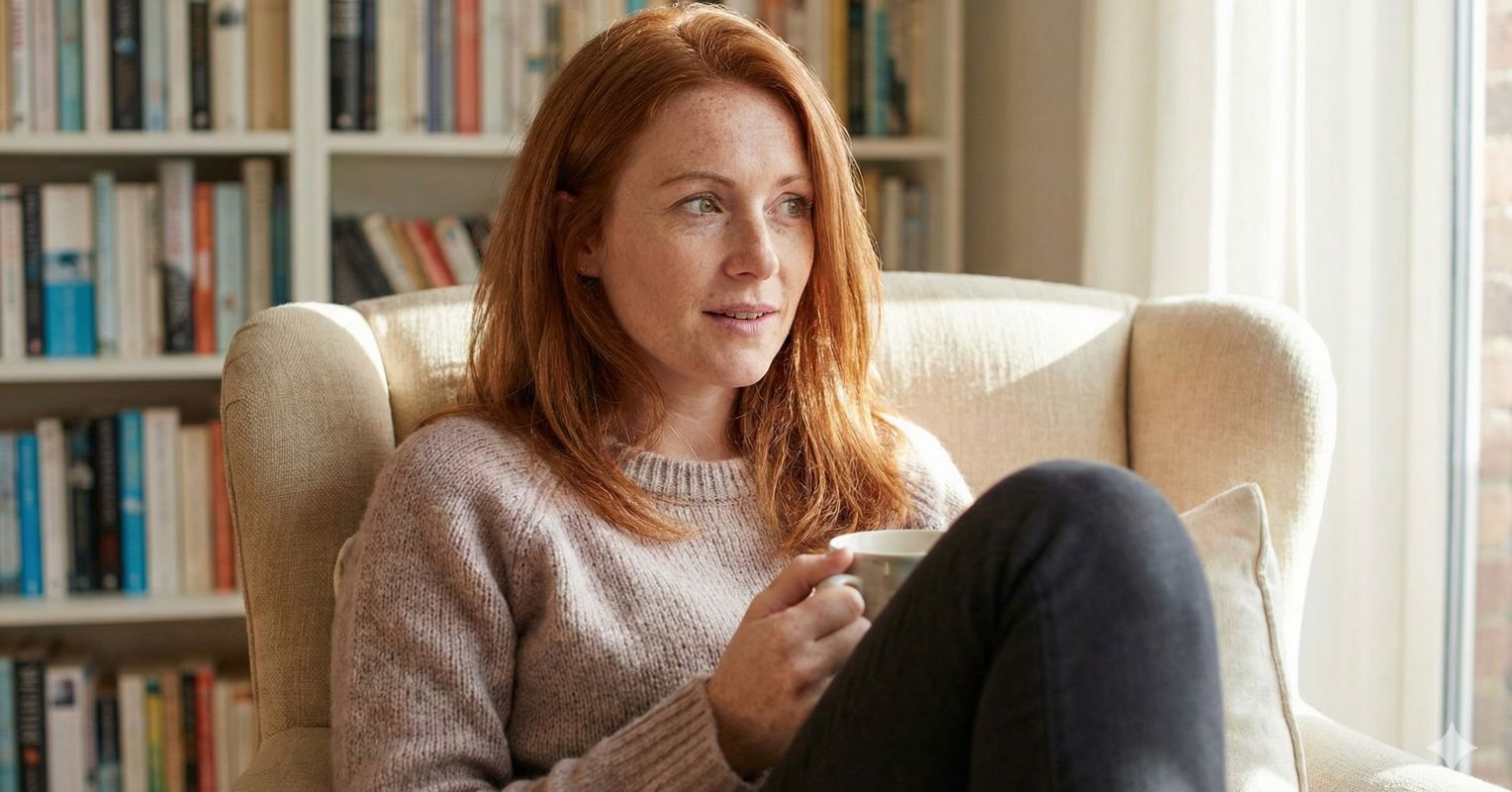
Psychology suggests people who adopt their parents' bad traits as they get older aren't becoming their parents - they're reverting to the most deeply installed operating system they have, the one that was running before they were old enough to choose a different one, and stress, age, and the slow erosion of self-monitoring are simply the conditions under which it boots back up - Silicon Canals

Behavioral patterns from childhood can resurface under stress, revealing deep-rooted psychological templates formed from early experiences.
Parenting
fromFast Company
1 day ago

Parents: A valuable source of AI intelligence

AI-assisted parenting tools are being developed by parents who understand the real challenges of childcare.
fromEurekAlert!
2 days ago
Online Community Development

Why some people change only when enough others do

Understanding individual thresholds for change and social networks can help overcome resistance to adopting new behaviors like climate change solutions.
OMG science
fromHarvard Gazette
3 days ago

Anthropologist traces split between Homo sapiens and Neanderthals - Harvard Gazette

The transition from multiple human forms to Homo sapiens dominance involved interactions and interbreeding with Neanderthals, not a clear-cut victory.
fromwww.scientificamerican.com
2 days ago

Humans have been gambling since the Ice Age

Madden combed through this sparse record, confirming the oldest-known dice and establishing an unbroken, previously hidden lineage of chance-based games dating back at least 12,000 years, 6,000 before any counterpart in the Old World.
History
Mental health
fromSilicon Canals
3 days ago

Psychology explains the reason some people grow sweeter with age while others grow bitter has nothing to do with how hard their life was - it's about whether they learned to grieve their losses or hoard them - Silicon Canals

Aging can lead to either bitterness or sweetness, depending on how one processes life's hurts and losses.
LGBT
fromPsychology Today
5 days ago

Why Identical Twins Can Have Different Sexual Orientations

Sexual orientation may have genetic links, but identical twins can have different orientations due to epigenetics and prenatal hormone exposure.
#evolution
Science
fromNature
6 days ago

Dawkin's paradox: dissecting the body's battle to keep selfish genes in check

Internal conflict is a central feature of organismal biology, influencing development, evolution, and cancer.
Science
fromNature
6 days ago

Dawkin's paradox: dissecting the body's battle to keep selfish genes in check

Internal conflict is a central feature of organismal biology, influencing development, evolution, and cancer.
Psychology
fromSilicon Canals
9 hours ago

Psychology says people who feel like they've been living someone else's life aren't confused or ungrateful - they're often the ones who were so good at adapting in childhood that they never stopped adapting long enough to find out who they actually were - Silicon Canals

Adapting to others' needs in childhood can lead to feeling disconnected and lost in adulthood.
#parenting
Parenting
fromSilicon Canals
1 day ago

Psychology says parents who can't stop helping their adult children aren't being loving - they're unconsciously protecting themselves from the terror of becoming unnecessary - Silicon Canals

Parental overinvolvement may stem from a fear of irrelevance rather than solely from love.
fromSilicon Canals
3 days ago
Parenting

Psychology says the 1960s and 70s accidentally produced one of the most emotionally durable generations in modern history - not through better parenting but through benign neglect that forced children to develop internal regulation instead of waiting for adult intervention - Silicon Canals

Parenting
fromSilicon Canals
1 day ago

Psychology says parents who can't stop helping their adult children aren't being loving - they're unconsciously protecting themselves from the terror of becoming unnecessary - Silicon Canals

Parental overinvolvement may stem from a fear of irrelevance rather than solely from love.
Parenting
fromSilicon Canals
3 days ago

Psychology says the 1960s and 70s accidentally produced one of the most emotionally durable generations in modern history - not through better parenting but through benign neglect that forced children to develop internal regulation instead of waiting for adult intervention - Silicon Canals

Children in the 70s thrived on unstructured play and minimal parental intervention, fostering independence and problem-solving skills.
Relationships
fromSilicon Canals
4 days ago

Behavioral scientists found that the people who become less likeable with age but more respected are operating on a principle most people understand intellectually but can't execute emotionally - that respect and likeability are often inversely correlated after 60, because likeability requires you to shrink and respect requires you to hold your shape, and most people spent their first six decades shrinking and their last two deciding that holding their shape matters more than fitting into someone else's fra

Standing up for oneself can lead to decreased likability, but it is a necessary part of emotional maturity and self-respect.
Education
fromSilicon Canals
2 weeks ago

I asked a group of people in their 70s what they'd un-learn if they could and every single one named something they were taught before age 10 - not a fact, not a skill, a belief about themselves that was installed by a specific person in a specific room, and the fact that it's still running 60 years later without their permission is the thing that made half the room go quiet - Silicon Canals

Beliefs installed in childhood by authority figures persist into adulthood, shaping decisions and self-perception for decades without conscious awareness or permission.
fromNature
2 weeks ago

Adaptive evolution of gene regulatory networks in mammalian neocortex - Nature

To characterize CREs and TFs for neocortical ExNs, we used Arpp21-Gfp or Fezf2-Gfp transgenic mice and enriched GFP-expressing neocortical upper layer (L2-4) intratelencephalic (IT) neurons or deep layer (L5-6) predominantly extratelencephalic (ET) neurons, respectively, from neonatal mice (postnatal day (PD) 0), an age at which neocortical ExN identity and connectivity are established.
Roam Research
Philosophy
fromApaonline
5 days ago

Let Kids Be Kids? The Ethics of Maximizing Children's Talents

Children are increasingly pushed to maximize their athletic talent from a very young age, often at the expense of social and academic development.
Psychology
fromSilicon Canals
1 day ago

People who were labeled 'too sensitive' often became adults who read rooms before anyone speaks, and the difference between those two things is about 20 years of misunderstanding - Silicon Canals

Sensitivity can evolve from a perceived weakness into a valuable skill for understanding emotional dynamics in various situations.
Mindfulness
fromPsychology Today
3 weeks ago

Ideas We Aren't Ready to Understand-Yet

Collect ideas you don't understand but sense are important, as they trigger deeper cognitive processing and eventual insight through incubation.
fromNature
4 days ago

Dopaminergic mechanisms of dynamical social specialization - Nature

Social foraging strategies illustrate the balance between competition and cooperation, where individuals either produce resources or exploit the efforts of others, navigating ecological and social constraints.
Psychology
Philosophy
fromPsychology Today
1 week ago

'Animate': How Nonhuman and Human Minds Are Inherently Linked

Humans share traits with animals and have become disconnected, wrongly believing in our superiority over them.
Psychology
fromPsychology Today
3 days ago

People Don't Just Update Beliefs, They Test Them

Understanding psychological change requires recognizing the role of control and mastery in actively pursuing change despite familiar limitations.
#evolutionary-psychology
Psychology
fromPsychology Today
1 week ago

3 Rules for Living That Come From Evolutionary Psychology

Positive evolutionary psychology emphasizes kindness, love, and trustworthiness as essential for improving life and understanding human behavior.
Health
fromwww.scientificamerican.com
1 month ago

Is the key to better aging all in our mind?

Older adults with positive views about aging show improvements in cognitive skills and physical fitness, while negative aging beliefs correlate with decline.
Psychology
fromPsychology Today
4 days ago

Why We Don't Change-Even When We Know What's Wrong

Insight alone is insufficient for change; real experiences are necessary to challenge ingrained beliefs and expectations.
Parenting
fromPsychology Today
2 weeks ago

Loving Your Child and Grieving Your Genetics are Separate

Grief over genetic loss and love for a donor-conceived child are separate emotions that can coexist without affecting parental bonding.
Psychology
fromFast Company
4 days ago

Stop trying to 'educate' people into changing. Science proves it doesn't work

False assumptions hinder change; simply providing information does not guarantee behavior change.
Miscellaneous
fromPsychology Today
1 month ago

How to Change Your Mind From the Outside In

Mindfulness and calm states can be achieved more effectively through external practices like movement and breathing rather than direct thought control, as these methods entrain brain rhythms into lower-frequency states associated with relaxation.
Psychology
fromSilicon Canals
5 days ago

Psychology says people who ask 'how can I learn to be more empathetic' already possess the one trait that matters most - self-awareness - while people who claim they're already empathetic rarely are - Silicon Canals

Self-awareness is essential for developing genuine empathy and emotional intelligence.
Psychology
fromSilicon Canals
5 days ago

Psychology says the reason some people become wiser as they age while others become more rigid has nothing to do with intelligence. It depends on whether they ever learned to sit with discomfort - Silicon Canals

Distress tolerance influences how individuals respond to discomfort, shaping their openness and adaptability in life.
Environment
fromPsychology Today
1 month ago

Our Missing Climate Tools Are Psychological and Evolutionary

Humans must evolve culturally and deliberately through effective decision-making to manage climate challenges, overcoming short-term thinking as animals demonstrate rapid evolutionary adaptation to environmental change.
fromPsychology Today
1 month ago

The Architecture of Identity: How the Brain Builds a Self

Attention is the brain's filtering mechanism; what passes through that filter is what gets encoded. What gets encoded becomes memory. And memory is the raw material of identity. So in the architecture of your identity, attention is the doorway.
Miscellaneous
Psychology
fromPsychology Today
1 week ago

How to Think About the Brain

The brain operates through localization, with specific areas dedicated to distinct tasks, despite outdated and simplistic representations of its function.
Psychology
fromPsychology Today
1 week ago

Beyond Suspicion: Why We Doubt Greatness-and What It Says About Us

Mental mastery and team trust are crucial for success in cycling, transcending past performance and skepticism.
Psychology
fromPsychology Today
1 week ago

Our Inner Life Rules: Habit or Choice?

Inner rules governing self-treatment are often inherited and unexamined, with therapy providing a chance to consciously choose them.
Psychology
fromPsychology Today
2 weeks ago

The 4 Gremlins That Steal Your Gratitude

Extreme self-reliance, cynicism, envy, and entitlement hinder gratitude; adopting positive habits is essential for personal growth.
#curiosity
fromPsychology Today
1 month ago

How Brawn and Engineering-Not Brains-Led to Human Domination

I'm always looking for books that challenge the status quo, and when I learned about Roland Ennos' new book The Powerful Primate: How Controlling Energy Enabled Us to Build Civilization, I couldn't wait to get my eyes on it, and I'm thrilled I did. In this landmark book, Ennos offers "a compelling argument that flips the traditional view of humanity on its head."
Science
Psychology
fromPsychology Today
2 weeks ago

Does the Dominant Twin Really Exist?

Twin personality differences develop through parental attachment, parental perception, and continuous social comparison rather than genetics and environment alone.
Mindfulness
fromPsychology Today
2 months ago

Evolution, Schedules, and the Quiet Cost to Mental Health

Relentless scheduling and treating time as a scarce resource creates an evolutionary mismatch that narrows attention and raises chronic stress and mental health risk.
Psychology
fromSilicon Canals
2 weeks ago

Neuroscience reveals that people who feel trapped in repetitive daily routines aren't lazy or unmotivated. Their dopamine system has downregulated to match the predictability, which means the routine didn't kill their motivation - it quietly rewired their brain to stop expecting anything worth anticipating. - Silicon Canals

Overly predictable routines suppress dopamine and motivation by eliminating the uncertainty that drives anticipation, causing emotional numbness despite external life satisfaction.
Mental health
fromPsychology Today
2 months ago

Masking as an Evolutionary Advantage

Autistic masking is a survival strategy that increases safety and access but causes cognitive and emotional harm, including burnout and delayed diagnosis.
Music
fromPsychology Today
1 month ago

Seeing Ourselves Through Younger Eyes

Feeling younger than one’s chronological age, often triggered by music and dancing, associates with better mental health and predicts improved future physical health.
Psychology
fromPsychology Today
3 weeks ago

The Evolution of Brain and Intelligence

Human brains are large and complex but not uniquely so compared to other species; human intelligence is adapted to specific ecological niches, with symbolic reasoning being a key cognitive distinction from other animals.
Social justice
fromPsychology Today
1 month ago

Our Mistakes Can Prevent and Help Create New Possibilities

Fragmented information and isolated institutions create systemic dysfunction, causing misguided decisions, polarization, and social and environmental harm.
fromPsychology Today
2 months ago

'It Was Just an Accident'... Until It Wasn't

The movie opens with a brief prologue. A family is driving at night. They hit something on the road, which turns out to be a dog, and the dog dies. The daughter in the back seat is visibly upset. The mother consoles her by saying, "It was just an accident-Dad didn't do it on purpose." Then the title appears, and the main story begins.
Film
fromPsychology Today
2 weeks ago

New Insights on the Evolution of Right- and Left-Handedness

The fighting hypothesis proposes that there is a so-called frequency-dependent maintenance of left-handedness. The main idea is that over the tens of thousands of years of human evolution, left-handers did have an advantage in fights due to a surprise effect. This gives them an evolutionary survival benefit since they win more fights.
Psychology
fromNature
1 month ago

Brain differences between sexes get more pronounced from puberty

Researchers studying brain-imaging data from people aged between 8 and 100 found that sex differences in the brain's connections are minimal in early life, but then increase drastically at puberty; some of these differences continue to grow throughout adult life. The study was published as a preprint on bioRxiv, and has not yet been peer reviewed. The work could help us to understand why men and women have different likelihoods of developing some mental-health disorders - and perhaps give insight into treating them, say the researchers.
Science
Psychology
fromPsychology Today
3 weeks ago

How Does the Brain Know Itself?

Introspection provides direct empirical contact with physical reality through interoception and neural integration, where bodily sensations become emotional and self-aware experiences via the insula and prefrontal cortex.
fromPsychology Today
2 months ago

3 Tell-Tale Signs of Invisible Growth

Some of the most meaningful forms of growth an individual can experience happen beneath their conscious awareness. Typically, it registers first as discomfort, ambiguity, or even a sense of regression. When growth is happening at a person's core level, they're likely to underestimate it or misinterpret it entirely. As a psychologist, I often see individuals who assume they're "stuck" precisely when some of the most important internal shifts are underway. This is because the mind rarely announces these changes with clarity.
Mental health
fromPsychology Today
1 month ago

The Digital Savanna

Somewhere between six and seven million years ago, our ancestors began walking upright, and the advantages were considerable: Freed from locomotion, upper limbs could grasp, manipulate, eventually craft, and the opposable thumb became the hinge on which human civilization would turn. We are, above all else, tool users-fire, the wheel, writing, the printing press, the transistor-each tool reshaping not only what we could do but who we became.
Artificial intelligence
Mental health
fromPsychology Today
2 months ago

Psychological Theories Follow Social Trends

Psychiatry and psychology mirror prevailing societal values and historical ideologies, shaping theories, treatments, and research priorities across different eras.
Psychology
fromPsychology Today
4 weeks ago

Personality Isn't as Stable as We Thought

Personality traits are descriptive patterns of thinking and behavior that naturally evolve over time and can be intentionally reshaped through practicing new thoughts and behaviors.
fromPsychology Today
1 month ago

Why We Call It Psychology, Not Animology

For Plato, psyche meant something like what we'd now call mind -understood as a complex system requiring governance. The psyche had distinct parts: a reasoning part that deliberates, a spirited part that feels emotion and courage, and an appetitive part that desires. Each part has its own function and its own form of excellence. And crucially, these parts need to be governed-integrated under what Plato called constitutional self-rule.
Philosophy
Psychology
fromPsychology Today
4 weeks ago

Are We Hard-Wired to Be Xenophobic?

Out-group animosity stems from both upbringing and evolutionary survival pressures, but can be managed through conscious awareness and behavioral control.
fromPsychology Today
1 month ago

Tool Use By Animals: Why the Hype and Why It's So Important

Recently, two unexpected examples by a wild wolf and a domesticated cow named Veronika attracted global attention and once again opened the door for experts and others to weigh in on the question, "Are these really examples of tooling?" Many people are eager to know more about the nitty-gritty details of tooling, so I am thrilled that Dr. Benjamin Beck, an expert in this area, could answer a few questions about this fascinating behavior.
Science
fromPsychology Today
1 month ago

3 Unique Ways Smart People Think

Studies show that people with high fluid intelligence can process multiple "what if" scenarios concurrently, helping them see ahead, identify concealed dangers, and plan their actions. This mode of thinking requires a lot of working memory because the brain isn't looping idly; it's stress-testing every single possibility that comes to mind. This might be why these people seem to be frequently lost in their thoughts, even when they're alone.
Mental health
Psychology
fromPsychology Today
4 weeks ago

The Feeling of Learning Can Be a Psychological Illusion

Cognitive fluency—the ease of processing information—creates an illusion of learning that often fails to translate into actual skill or long-term retention.
Philosophy
fromPsychology Today
2 months ago

Can Accepting Our Biological Heritage Improve the World?

Biological imperative centers on protecting, promoting, and propagating genetic code, shaping behavior, sex-specific roles, physiology, and intergenerational wellbeing.
Science
fromwww.scientificamerican.com
2 months ago

New Study Probes How Same-Sex Behaviors Evolved in Nonhuman Primates

Same-sex sexual behavior in nonhuman primates is common and likely evolved to strengthen social bonds and aid navigation of complex social systems.
Mental health
fromPsychology Today
1 month ago

Why Normal Isn't What You Think It Is

Normality is a statistical description of variation, not an ideal or moral standard; diagnoses use population data to identify typical ranges.
Psychology
fromSilicon Canals
1 month ago

Psychology says people who feel a wave of sadness at dusk even on good days are experiencing these 5 patterns - and it connects to something so ancient in the human brain that psychologists say the feeling predates language itself - Silicon Canals

Twilight melancholy is a real neurochemical phenomenon where serotonin, dopamine, and cortisol levels shift as daylight fades, creating evening sadness rooted in evolutionary biology rather than psychological choice.
Philosophy
fromPsychology Today
2 months ago

Thoughts That Are Born in Darkness

Genius idea generation is mysterious, distinct from academic skill, and unlimited information access risks replacing original thought.
fromwww.nature.com
1 month ago

Shared neural substrates of prosocial and parenting behaviours

Mice with higher levels of parenting exhibit more prosocial allogrooming toward stressed adults. The medial preoptic area (MPOA), a brain area involved in parenting behaviour, bidirectionally regulates allogrooming toward stressed conspecifics. Allogrooming and parenting behaviours recruit a partially overlapping neuronal ensemble in the MPOA, are both controlled by an MPOAtoVTA pathway and are associated with dopamine release in the nucleus accumbens.
fromLGBTQ Nation
2 months ago

Study finds widespread same-sex behavior among primates & could help explain why nature is so gay - LGBTQ Nation

The study's authors researched 96 peer-reviewed studies documenting SSB to compile one of the most comprehensive datasets for primates to date. The study found that SSB are a "persistent and integral component of primate social [practices]." In fact, the prevalence of SSB across a variety of closely related primate species - and over several lines of descendants - "indicates a deep evolutionary root or multiple independent evolutionary origins," the study's authors wrote.
Science
Mental health
fromSilicon Canals
2 months ago

If you grew up during the era of "children should be seen and not heard" you probably display these 8 behaviors as an adult - Silicon Canals

Childhood suppression of expression teaches chronic people-pleasing behaviors, like excessive apologizing, that persist into adulthood and undermine self-worth and assertiveness.
Psychology
fromPsychology Today
1 month ago

Can We Truly Change Our Personalities?

Personality reflects innate tendencies established early in life, while character reflects chosen behaviors that can be developed through deliberate effort and commitment.
Philosophy
fromPsychology Today
2 months ago

How and Why We Use, Downplay, or Ignore Evidence

The scientific method, though imperfect, remains the best tool for critical thinking and for defending democratic justice against misinformation and cognitive biases.
fromwww.scientificamerican.com
2 months ago

Why Does Life Keep Evolving These Geometric Patterns?

The mirror spider can rapidly shift a patchwork of minuscule reflective plates underneath its abdomen's outer surface, altering the pattern of mirrorlike flashes. This uncommon display comes from common building blocks: Similar tilelike arrangements of plates and soft joints appear throughout the tree of life, from turtle shells to tropical fruit peels. Researchers have now compiled 100 examples of this pattern across animals, plants, microbes and viruses, which they describe in PNAS Nexus.
Science
Philosophy
fromPsychology Today
2 months ago

The Myth of Progress

Relentless pursuit of progress can shrink life, prioritizing efficiency and achievements over health, relationships, and meaningful depth—becoming a poisoned gift.
Science
fromMail Online
2 months ago

Homosexuality may have evolved as a 'survival strategy', study claims

Same-sex behaviors in primates increase in harsh environments and within larger, more complex social groups, possibly strengthening bonds that aid group survival.
Philosophy
fromPsychology Today
1 month ago

How Meanings Became Shareable Across Minds

Human meaning transformed from immediate, context-bound signs to public, conventional symbols enabling abstraction, analogy, and cumulative cultural transmission.
Science
fromPsychology Today
2 months ago

Beliefs About a Person's True Self Affects Our Evaluations

Observers infer a person's true self from decision conflicts, tending to view instinctual preferences as reflecting that true self.
Psychology
fromPsychology Today
1 month ago

How the Brain Chooses What Matters

Selective sensory prioritization can improve clarity by letting one modality dominate when multisensory integration would create competition or reduce precision.
fromPsychology Today
1 month ago

Daily Prophets: How Your Brain Predicts the Future

I am a worrier, and have been for most of my life. At some point, someone dear and smart teased me that I worry about the wrong things. The things that hit me, she noted, were never the things I worried about. For a while that left me feeling like an incompetent worrier-until my research caught up. I realized that the things I worry about often don't end up hurting me precisely because worrying helps me diffuse them ahead of time.
Psychology
Psychology
fromSilicon Canals
2 months ago

Psychology says people from strict homes often become adults who do these 7 things unconsciously - Silicon Canals

Strict, authoritarian childhoods produce ingrained coping behaviors—people-pleasing, perfectionism, and boundary erosion—that can undermine adult relationships, career, and wellbeing.
Psychology
fromSilicon Canals
1 month ago

Adults who had to follow tons of rules as kids end up with these 8 surprising habits they can't shake - Silicon Canals

Growing up in highly structured, rule-heavy households shapes distinct adult habits—rigid punctuality, rebellious lateness, and other predictable and surprising patterns.
fromSilicon Canals
1 month ago

Psychology says people who always pay with exact change display these 7 personality traits that go beyond just being organized - Silicon Canals

They're displaying a fascinating set of personality traits that go much deeper than having their finances sorted. 1) They have exceptional impulse control Think about what it takes to always have exact change ready. You need to resist the urge to spend those coins on vending machines or leave them as tips. You have to plan ahead, knowing what you'll buy and preparing accordingly.
Psychology
Psychology
fromSilicon Canals
1 month ago

Psychology says people who grew up without digital reminders often maintain these 9 internal memory systems - Silicon Canals

Adults who matured before smartphones developed internal cognitive systems—spatial mental maps and narrative memory chains—that shape how they process, retain, and organize information.
Psychology
fromPsychology Today
1 month ago

When Two Brains Meet

Human brains are wired to seek and reward social connection; even brief moments of joint attention and acknowledgment produce meaningful neural and psychological benefits.
Psychology
fromPsychology Today
2 months ago

What Comparison and Competition Say About Your Personality

Comparison and competitiveness are malleable behavioral patterns that can motivate achievement but become harmful when habitual; increasing cooperation can boost agreeableness and reduce neuroticism.
Psychology
fromPsychology Today
2 months ago

The Affective Side of Goals

Affect attaches to meaningful, contextualized goals shaped by sensory and semantic information, and affect-management policies govern goal pursuit and relinquishment.
[ Load more ]