#existential-concerns
#existential-concerns
[ follow ]
#mental-health #personal-growth #identity #psychology #philosophy #loneliness #authenticity #relationships #success
Writing
fromSilicon Canals
6 hours agoI'm 66 and the most important relationship of my adult life has been with solitude - not as a consolation for the company I didn't have, but as the place where I have always been most honest, most creative, and most recognizably myself, and I spent too many years being embarrassed about that before I understood it was simply how I was built - Silicon Canals
Solitude allows for self-discovery and personal reflection, free from societal expectations and external pressures.
#retirement
Mental health
fromSilicon Canals
7 hours agoI'm 66 and I woke up last Thursday and realized I couldn't name a single thing I was looking forward to - not because nothing good was happening but because I'd trained myself to find meaning in being needed and nobody needs me anymore - Silicon Canals
Finding purpose in being needed can lead to a loss of personal desires and identity after retirement.
Retirement
fromSilicon Canals
3 days agoI retired at 62 with everything I thought I wanted and spent the first six months staring at my calendar realizing I had nothing to genuinely look forward to - not one single thing that made my chest feel light - Silicon Canals
Retirement can lead to an identity crisis and a lack of purpose after years of structured work.
#success
Mindfulness
fromSilicon Canals
1 day agoI'm 37 and I realized last month that I've spent my entire adult life collecting achievements to outrun a feeling I can't name - and I genuinely have everything I was told to want versus feeling anything close to what I was promised it would feel like - Silicon Canals
Success can become an addictive trap that fails to deliver true fulfillment, leading to a cycle of chasing achievements without satisfaction.
Careers
fromSilicon Canals
5 hours agoI'm 66 and I finally realized that I've spent my entire adult life chasing a version of success that my father defined in dollar amounts and job titles - and the reason I feel so empty now isn't because I failed, it's because I succeeded at building someone else's dream and called it mine - Silicon Canals
Chasing someone else's definition of success leads to emptiness and unfulfillment.
#relationships
Relationships
fromSilicon Canals
2 days agoPsychology says people who crave both complete freedom and deep companionship aren't confused - they're experiencing the central tension of the human condition, and the people who resolve it aren't the ones who choose a side but the ones who stop treating it like a choice - Silicon Canals
The autonomy-connection paradox highlights the human need for both independence and intimacy in relationships.
#identity

fromSilicon Canals
12 hours agoPsychology
Psychology says people who feel like they've been living someone else's life aren't confused or ungrateful - they're often the ones who were so good at adapting in childhood that they never stopped adapting long enough to find out who they actually were - Silicon Canals
fromSilicon Canals
17 hours agoRetirement
I spent a decade building a career I thought I wanted, a house I thought I needed, and a persona I thought would finally make me real - and one Saturday morning over coffee I sat with the quiet certainty that I had built all of it for someone who no longer lived inside me - Silicon Canals
Philosophy
fromPsychology Today
6 days agoIdentity: Who I Am, Who I Am Not
Narrow identity reduces individuals to superficial labels, leading to confusion between identity, belonging, and morality.
Psychology
fromSilicon Canals
2 days agoThere's a specific kind of exhaustion that comes not from doing too much but from performing a version of yourself all day that doesn't actually exist. The tiredness isn't physical. It's the distance between who people think you are and who you become the moment the door closes. - Silicon Canals
Performance in social settings creates psychological fatigue due to the gap between projected identity and true self.
Psychology
fromSilicon Canals
12 hours agoPsychology says people who feel like they've been living someone else's life aren't confused or ungrateful - they're often the ones who were so good at adapting in childhood that they never stopped adapting long enough to find out who they actually were - Silicon Canals
Adapting to others' needs in childhood can lead to feeling disconnected and lost in adulthood.
Retirement
fromSilicon Canals
17 hours agoI spent a decade building a career I thought I wanted, a house I thought I needed, and a persona I thought would finally make me real - and one Saturday morning over coffee I sat with the quiet certainty that I had built all of it for someone who no longer lived inside me - Silicon Canals
Building a life based on societal expectations can lead to a personal crisis when the facade becomes unsustainable.
Psychology
fromSilicon Canals
2 days agoThere's a specific kind of exhaustion that comes not from doing too much but from performing a version of yourself all day that doesn't actually exist. The tiredness isn't physical. It's the distance between who people think you are and who you become the moment the door closes. - Silicon Canals
Performance in social settings creates psychological fatigue due to the gap between projected identity and true self.
Mental health
fromSilicon Canals
20 hours agoThere is a version of grief that only people in their forties understand. It's not for someone who died. It's for the life you were quietly building in your head for twenty years that you now realize was never going to happen, and the mourning has no name because the thing you lost never existed outside your own planning. - Silicon Canals
Midlife reckoning involves mourning an imagined life that never existed, rather than regret for choices made.
Psychology
fromSilicon Canals
9 hours agoPsychology says people who are nice on the surface but have no close friends aren't lonely because nobody wants them - they're lonely because the version of them that everyone wants is not the version that needs anything, and a self that never needs anything is a self that nobody ever gets close enough to actually know - Silicon Canals
Being nice can lead to emotional isolation and a lack of true connection with others.
#emotional-health

Relationships
fromSilicon Canals
1 week agoI'm 44 and I just realized that every time someone asks me how I'm doing I say 'I'm fine' automatically - not because I'm lying but because I genuinely don't know the answer to that question - Silicon Canals
Automatic responses to greetings can prevent genuine self-reflection and connection.
Retirement
fromSilicon Canals
2 days agoI'm 66 and I spent forty years trying to stay positive through everything - and what I actually created was a life where nobody knew me well enough to notice when I was drowning - Silicon Canals
Staying positive can lead to hidden struggles and emotional isolation, as individuals often mask their true feelings to appear strong.
Relationships
fromSilicon Canals
1 week agoI'm 44 and I just realized that every time someone asks me how I'm doing I say 'I'm fine' automatically - not because I'm lying but because I genuinely don't know the answer to that question - Silicon Canals
Automatic responses to greetings can prevent genuine self-reflection and connection.
#happiness


fromSilicon Canals
2 days agoPsychology
There's a specific type of unhappiness that belongs to people who did everything right - the right degree, the stable marriage, the good job - and still wake up feeling like they're living someone else's life - Silicon Canals
Chasing external validation often leads to a sense of emptiness despite achieving societal markers of success.
Psychology
fromSilicon Canals
6 days agoPsychology says people who seem genuinely happy aren't people who have more - they're people who stopped measuring what they have against what they imagined they should have by now - Silicon Canals
Imagined life standards create a perpetual sense of inadequacy, while true happiness comes from questioning these standards rather than merely achieving them.
Writing
fromSilicon Canals
22 hours agoI'm 66 and I spent four decades chasing the version of happiness I saw in other people's living rooms - and the day I stopped, I noticed I'd been happy in my own kitchen all along - Silicon Canals
Measuring happiness against others' lives leads to perpetual dissatisfaction and obscures personal contentment.
Psychology
fromSilicon Canals
2 days agoThere's a specific type of unhappiness that belongs to people who did everything right - the right degree, the stable marriage, the good job - and still wake up feeling like they're living someone else's life - Silicon Canals
Chasing external validation often leads to a sense of emptiness despite achieving societal markers of success.
Psychology
fromSilicon Canals
6 days agoPsychology says people who seem genuinely happy aren't people who have more - they're people who stopped measuring what they have against what they imagined they should have by now - Silicon Canals
Imagined life standards create a perpetual sense of inadequacy, while true happiness comes from questioning these standards rather than merely achieving them.
Mental health
fromSilicon Canals
7 hours agoPsychology says people who mellow out as they get older aren't the ones who suffered less - they're the ones who decided, at some point and without always knowing they were deciding, that the suffering was going to make them more open rather than less, and that decision, remade daily in small ways that nobody notices, is the entire difference - Silicon Canals
Emotional responses to life's challenges can change over time, leading to greater peace and stability despite ongoing difficulties.
Relationships
fromSilicon Canals
2 days agoI'm 66 and I finally learned the hardest lesson isn't that people will disappoint you - it's that you'll disappoint yourself by pretending you don't need what you need until you forget what that even was - Silicon Canals
Neglecting emotional needs leads to a profound sense of loss and disconnection from oneself and others.
#self-worth
Psychology
fromSilicon Canals
2 days agoPsychology says if you want your 70s to be the best years of your life you have to stop doing something most people don't quit until it's too late - and the quitting isn't dramatic, it's just the daily decision to stop measuring yourself by a standard that was always someone else's and never actually yours - Silicon Canals
Measuring worth by external standards leads to dissatisfaction; true value comes from personal fulfillment, not societal expectations.

Psychology
fromSilicon Canals
2 days agoPsychology says if you want your 70s to be the best years of your life you have to stop doing something most people don't quit until it's too late - and the quitting isn't dramatic, it's just the daily decision to stop measuring yourself by a standard that was always someone else's and never actually yours - Silicon Canals
Measuring worth by external standards leads to dissatisfaction; true value comes from personal fulfillment, not societal expectations.
Psychology
fromSilicon Canals
1 week agoI'm 37 and I realized last year that I've been measuring my worth by how useful I am to people - and I genuinely don't know who I am when no one needs me - Silicon Canals
Identity can be heavily tied to being useful to others, leading to a crisis when that role is absent.


#aging
Mental health
fromSilicon Canals
3 days agoPsychology explains the reason some people grow sweeter with age while others grow bitter has nothing to do with how hard their life was - it's about whether they learned to grieve their losses or hoard them - Silicon Canals
Aging can lead to either bitterness or sweetness, depending on how one processes life's hurts and losses.
#mental-health
Mental health
fromSilicon Canals
1 day agoPeople who are quietly unhappy with life don't always look unhappy - they look tired, they look busy, they look like they're managing, and the managing is the performance and the performance is the problem and the problem is invisible to everyone who mistakes a well-maintained surface for evidence of what's underneath it - Silicon Canals
Quiet unhappiness manifests as chronic exhaustion and the performance of being okay, often disguised by busyness and emotional labor.
fromSilicon Canals
2 days agoWriting
I was quietly unhappy with my life for years and the most unsettling part wasn't the unhappiness - it was how functional I remained inside it, how well I performed contentment, how convincingly I answered fine to every person who asked, including myself - Silicon Canals
Psychology
fromSilicon Canals
3 days agoThere's a specific exhaustion that belongs to people who spent decades being exactly what everyone needed them to be - and then one day realized they couldn't remember what they needed - Silicon Canals
People-pleasing leads to losing one's identity and can result in profound exhaustion and disconnection from self.
Mental health
fromSilicon Canals
1 day agoPeople who are quietly unhappy with life don't always look unhappy - they look tired, they look busy, they look like they're managing, and the managing is the performance and the performance is the problem and the problem is invisible to everyone who mistakes a well-maintained surface for evidence of what's underneath it - Silicon Canals
Quiet unhappiness manifests as chronic exhaustion and the performance of being okay, often disguised by busyness and emotional labor.
Writing
fromSilicon Canals
2 days agoI was quietly unhappy with my life for years and the most unsettling part wasn't the unhappiness - it was how functional I remained inside it, how well I performed contentment, how convincingly I answered fine to every person who asked, including myself - Silicon Canals
Pretending to be okay while feeling empty can trap individuals in a cycle of unhappiness.
Psychology
fromSilicon Canals
3 days agoThere's a specific exhaustion that belongs to people who spent decades being exactly what everyone needed them to be - and then one day realized they couldn't remember what they needed - Silicon Canals
People-pleasing leads to losing one's identity and can result in profound exhaustion and disconnection from self.
Mental health
fromSilicon Canals
14 hours agoThere is a particular loneliness in being a man whose body never matched the archetype he was taught to aspire to. Not because anyone was cruel about it, but because the world built its furniture, its expectations, and its respect around a size he would never reach. - Silicon Canals
Body image issues in men stem from societal expectations and architectural norms, leading to a profound, often unacknowledged loneliness.
#loneliness
fromSilicon Canals
2 days agoWriting
I'm 66 and the loneliest I've ever felt wasn't after my children left or my friends moved away - it was the morning I woke up and realized I had nothing that needed me, nothing that depended on my showing up, and the whole day stretched ahead like a road with no destination - Silicon Canals
Relationships
fromSilicon Canals
4 days agoThere's a specific kind of loneliness that hits hardest at 35. Not the loneliness of being alone on a Friday night, but of realizing you could disappear for a week and the only people who'd notice are the ones who need something from you. - Silicon Canals
Loneliness can peak in mid-thirties, often unnoticed despite a busy life.

Writing
fromSilicon Canals
2 days agoI'm 66 and the loneliest I've ever felt wasn't after my children left or my friends moved away - it was the morning I woke up and realized I had nothing that needed me, nothing that depended on my showing up, and the whole day stretched ahead like a road with no destination - Silicon Canals
Loneliness can stem from feeling unnecessary, not just from being alone.
Relationships
fromSilicon Canals
4 days agoThere's a specific kind of loneliness that hits hardest at 35. Not the loneliness of being alone on a Friday night, but of realizing you could disappear for a week and the only people who'd notice are the ones who need something from you. - Silicon Canals
Loneliness can peak in mid-thirties, often unnoticed despite a busy life.
Psychology
fromSilicon Canals
4 days agoPsychology says the people who actually escape loneliness don't do it by finding more people - they do it by finally dropping the version of themselves that made real connection impossible in the first place - Silicon Canals
Loneliness stems from a lack of genuine connection, not merely from being alone or having many acquaintances.
Psychology
fromSilicon Canals
2 days agoPsychology suggests people who downplay their birthday don't want less - they want the specific thing most birthdays have never delivered, which is the felt sense of being genuinely celebrated rather than obligatorily acknowledged, and they stopped asking for it because stopping felt better than hoping and being let down again - Silicon Canals
Some people avoid celebrating birthdays due to feelings of disconnection from superficial acknowledgments.
#burnout
Mental health
fromSilicon Canals
21 hours agoThere's a specific kind of tiredness that has nothing to do with sleep. It comes from years of translating yourself into a version that other people could handle, and the exhaustion lives in the gap between who you are and who you've been performing so consistently that even you forgot there was a difference. - Silicon Canals
Workplace burnout often stems from the exhaustion of pretending to be someone you're not, rather than from overwork itself.
Psychology
fromSilicon Canals
1 week agoThere's a specific kind of tiredness that belongs to people who spent their entire twenties building a life they thought they wanted, only to reach their thirties and realize they were building someone else's blueprint from memory. - Silicon Canals
Burnout often stems from committing to the wrong pursuits rather than simply overworking.
Mental health
fromSilicon Canals
2 days agoI recently understood that the tiredness I had been blaming on everything else - the job, the age, the schedule, the season - was not tiredness at all, it was the specific and sustained effort of living a life that wasn't quite mine, and the moment I understood that the exhaustion had a name it became possible, for the first time, to do something about it - Silicon Canals
Exhaustion often stems from emotional labor and the effort to maintain a false persona rather than physical demands of work.
fromOregon ArtsWatch * Arts & Culture News
3 days agoFilmWatch Weekly: Camus' 'The Stranger' on screen, Christian Petzold's 'Miroirs No. 3,' and more * Oregon ArtsWatch
François Ozon's adaptation of The Stranger, while visually stunning, reveals the limitations of cinema in depicting the complex inner states of consciousness that Camus masterfully crafted in his text.
Writing
Mental health
fromSilicon Canals
1 day agoYou know a woman has lost her joy in life when she describes her days accurately and without feeling - when the words are all correct and the tone is completely flat and the account of her own life sounds like something being reported rather than lived, and she doesn't notice the flatness because she has been inside it long enough that it just sounds like how things are - Silicon Canals
Emotional flatness can creep in, making life feel like a series of tasks rather than meaningful experiences.
Mental health
fromSilicon Canals
1 day agoSome people don't fear failure. They fear succeeding and then being expected to sustain it, because the version of them that achieved it was running on adrenaline and desperation, and the person who shows up on Monday is someone quieter who doesn't know how to replicate what the emergency produced. - Silicon Canals
The fear of success stems from the pressure to replicate high performance, not from a desire to avoid good outcomes.
fromPsychology Today
1 month agoWhat Is Existential Psychology?
In particular, I have a fascination with one-hit wonders, songwriters who at some point inexplicably produced a morsel of unequivocal genius, a sonic masterpiece, like a portal into an unknown universe... three to five timeless minutes that hover with esoteric intelligence as if heaven itself reached down and caressed a human voice... a song that brushes close enough to the divine to leave us believing in a force greater than our flesh and bones.
Music production
Mental health
fromSilicon Canals
2 days agoThe loneliest people at the party are often the ones everybody knows - they've become so reliable at reflecting others back to themselves that nobody ever thinks to ask what's actually happening behind their eyes - Silicon Canals
Being the social mirror for others can lead to feelings of loneliness and invisibility, despite appearing socially connected.
Psychology
fromSilicon Canals
4 days agoNobody prepares you for the hardest lesson of your 50s - that some of the people you sacrificed for genuinely don't remember what you gave up, and it's not cruelty, it's just the way memory works when you were never the main character in their story - Silicon Canals
Sacrifices made for others often go unremembered, as people focus on their own narratives and experiences.
Psychology
fromSilicon Canals
5 days agoI'm 66 and the thing I learned too late isn't that I should have traveled more or worked less - it's that I spent forty years waiting for permission to want things - Silicon Canals
Waiting for permission to want things can lead to missed opportunities and unfulfilled desires.
Psychology
fromSilicon Canals
5 days agoPsychology says the worst part of people-pleasing isn't the exhaustion - it's realizing that no one actually knows you because you never gave them the real version - Silicon Canals
People-pleasing leads to exhaustion and prevents genuine intimacy, as it creates a façade that others connect with instead of the true self.
Psychology
fromSilicon Canals
1 week agoPsychology says the smartest people in life tend to be the loneliest - not because intelligence isolates, but because a mind built for depth finds it genuinely difficult to feel at home in a world that mostly runs on the surface - Silicon Canals
Higher intelligence may lead to decreased life satisfaction with increased social interaction due to a preference for meaningful connections.
fromThe Conversation
4 weeks agoToday's obsession with authenticity isn't new - being true to yourself has troubled philosophers for centuries
All of us live in an age where we're bombarded by social media and artificial intelligence - when striving to be your authentic self becomes an increasingly difficult task. Yet, even if it has somehow become a common goal, it is unclear how many of us can truly define the "authenticity" that we say we are pursuing.
Philosophy
fromThe Nation
2 months agoFear of Nothing
February 2026 issue.When I was a child I was terrifiedof the space between One and Zero vast as the ages before my birthstrait as my death-late at night I heard my parents arguinglovingly in their locked room, the angora cat coming homewith a sparrow in her mouth, and the raindrops on the shinglescounting themselves-how to sleep, how to cross the empty placebetween the name "sparrow" and that limp thing crying,adamant, creating me with its cry
Writing
fromPsychology Today
2 months agoEvery Day You Get Closer to Your Death
Every day you get closer to your death. This is the phrase that shook me to my core when my high school teacher, Mr. Murphy, presented it in Religious Knowledge class. I was 14 years old. I immediately objected, calling it depressive in an attempt to protect my classmates-or perhaps myself. He looked straight at me and said, "It is simply the truth. Take it as you wish."
Mindfulness
fromwww.theguardian.com
1 month agoMove over stoics! Why we should all embrace nihilism and discover what really matters in life | Gemma Parker
I was suspicious, even cynical, about what the world insisted was vital to the life of my unborn child. I was partly sceptical because so much of the advice I was getting was contradictory. But I was also suspicious because I'd spent most of my 20s reading Nietzsche. Nietzsche is not, perhaps, a natural choice for a young mother. But he helps to fuel certain questions about values, and purpose, that are central to questions of care.
Philosophy

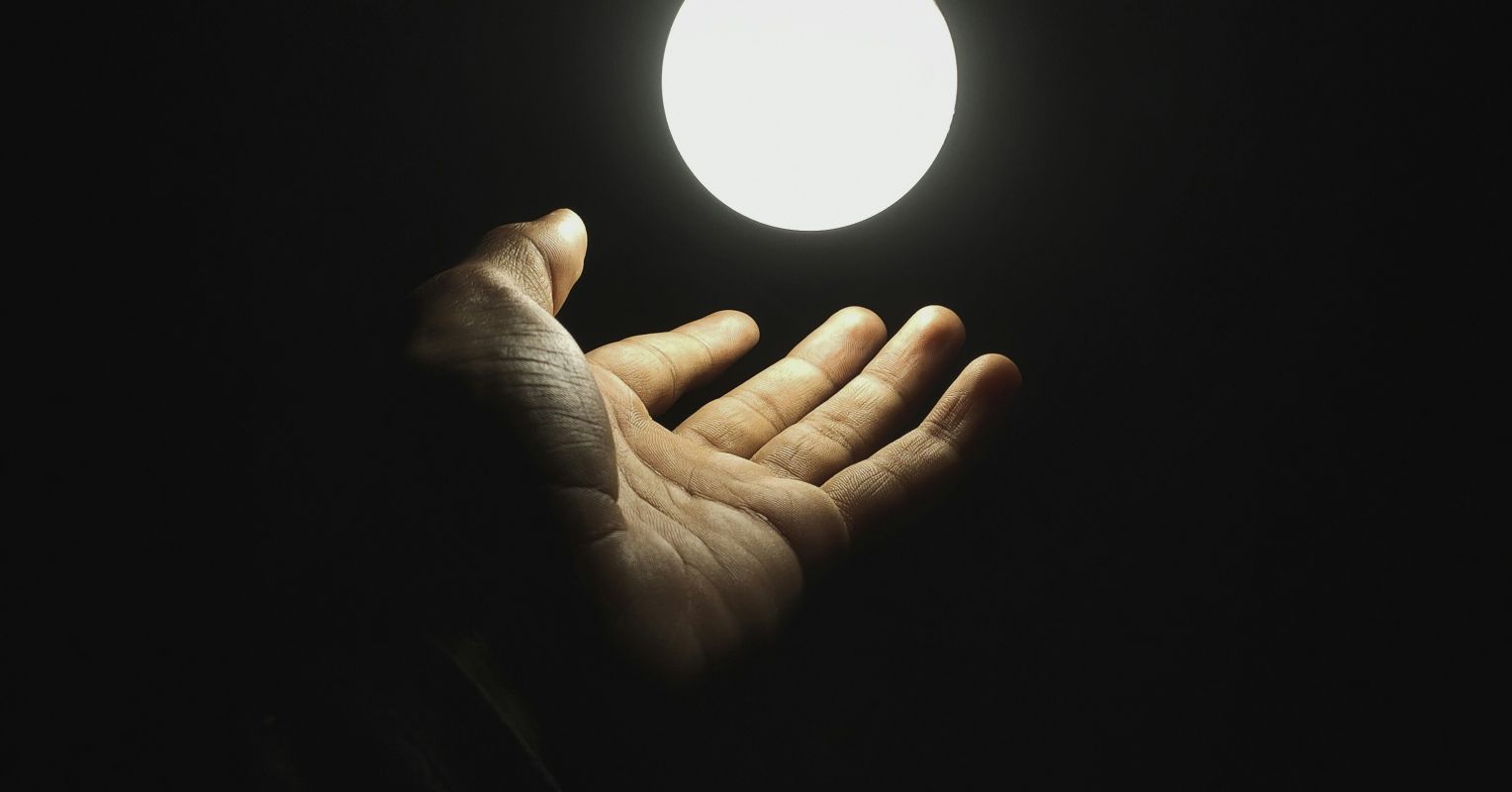
fromPsychology Today
2 months agoHow the Search for Meaning Helps and Hurts Us
I write this post with a clear but demanding purpose. I aim to apply insights from animal behavior research to gain a deeper understanding of how humans behave, struggle, and adapt. As a clinical psychologist, much of my work centers on two closely related questions. Why do people do what they do? And why is changing what does not work for them so often more difficult than it appears?
Mental health
fromPsychology Today
1 month agoThe Mind's Search for Meaning
Have you ever experienced an encounter with an image in the sky or thought that the lyrics to your favourite song related to your personal life? These are examples of having moments that are either unsettling, poetic, or just plain strange. Such experiences are known as apophenia, expressions of our innate tendency to find patterns and attribute meaning to things that are random.
Psychology
fromApaonline
1 month agoPhilosophy, Technology, and Mortality
This APA Blog series has broadly explored philosophy and technology with a throughline on the influence of technology and AI on well-being. This month's post brings those themes into focus recounting a vital Washington Post Opinion piece by friend of the APA Blog, Samuel Kimbriel. Samuel is the founding director of the Aspen Institute's Philosophy and Society Initiative and Editor at Large for Wisdom of Crowds. We collaborated on a Substack Newsletter about intellectual ambition, building on his essay, Thinking is Risky.
Philosophy
[ Load more ]