#french-sandwiches
#french-sandwiches
[ follow ]
#french-cuisine #paris #france #fine-dining #paris-baguette #cooking-techniques #gastronomy #breakfast
fromwww.theguardian.com
1 day agoRoute des Vacances: a gastronomic driving holiday from Paris to the Mediterranean
In summer 1936, the French government passed a law that mandated paid holiday, a move that kickstarted the exodus of northerners to the Med every August, and it became a true emblem of the French vacances.
Paris food
fromIndependent
3 days agoRestaurant review: 'Tasty though they are, the bagels are expensive at this little pocket of urban European cool'
Volumes has quickly become a popular destination, known for its superb coffee and a lunch menu that keeps customers coming back. The atmosphere is vibrant, and the food offerings are diverse, catering to various tastes.
London food


France news
fromThe Local France
3 weeks agoFuel prices, property surprises and eating well: 6 essential articles for life in France
France offers practical guides on finding affordable fuel, allergy remedies, budget apartments under €200,000, government-recommended daily meals, and explains why north-east France has additional public holidays.
fromTasting Table
3 weeks agoHow To Make Delicious Steak Frites On A Budget - Tasting Table
A great and very traditional bistro cut is the bavette steak, also known as flank steak here in the U.S. You'll see it all over Paris, and in more and more American restaurants. Sometimes called a flap steak, the bavette steak is cut from the bottom sirloin. This makes it relatively lean, but it has a looser, more tender texture, and it is considered very flavorful.
Berlin food
France news
fromThe Good Life France
3 weeks agoBon weekend from France - a strange encounter - The Good Life France
The Good Life France Magazine Spring 2026 offers comprehensive travel guides covering diverse French regions from the Mediterranean coast to Normandy, featuring destinations, culture, recipes, and predicted travel trends.
fromFrenchly
4 weeks agoNYC's Best Independent French Bakeries (& What to Get There) - Frenchly
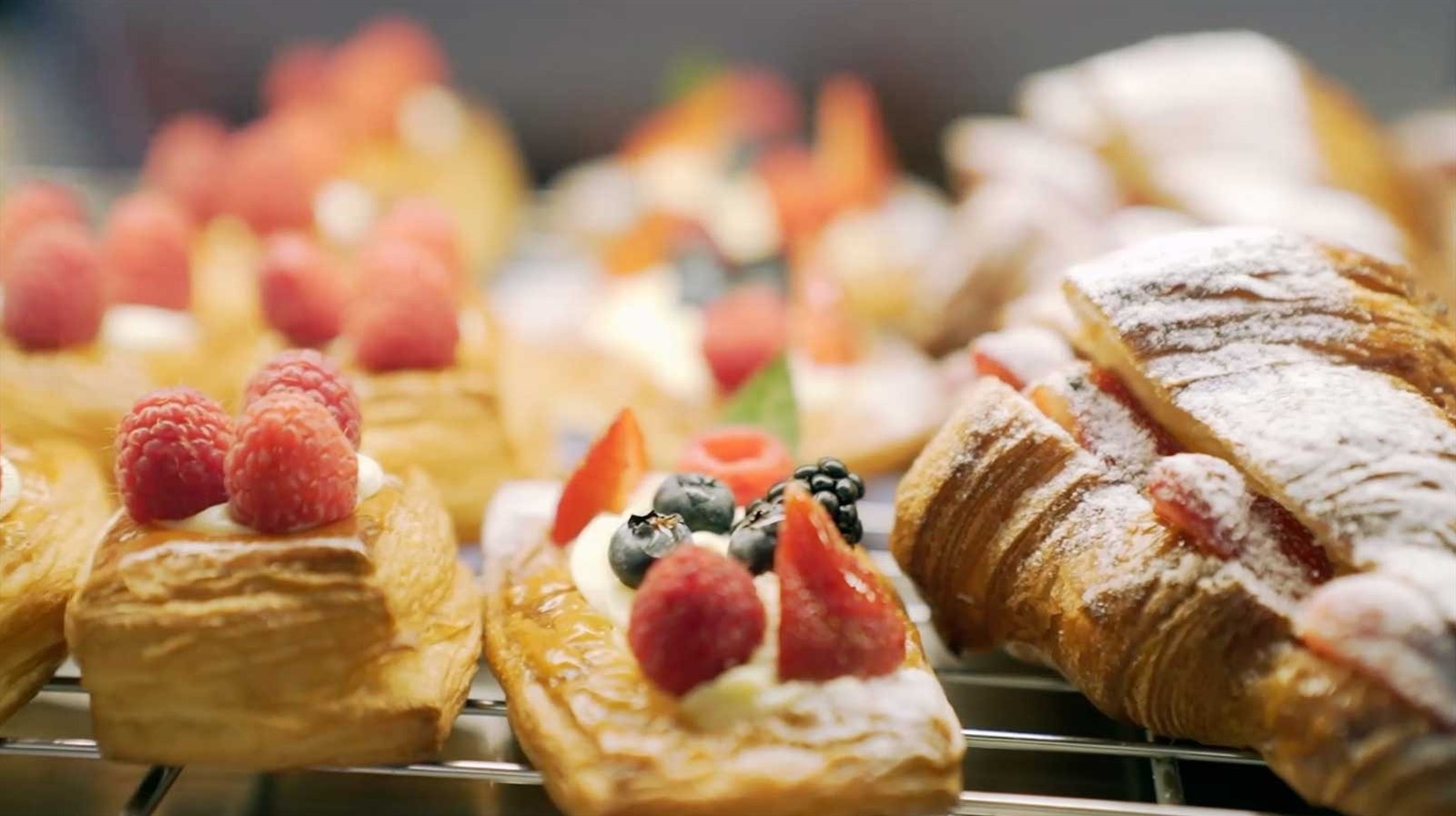
As a European immigrant in New York City, I remember a time, at least 20 years ago, when American bread and pastries, bagels aside, felt nearly inedible. Sourdough was not a thing. Croissants or any kind of viennoiseries were a punchline. There were regional specialties, sure, but broadly speaking, bread culture in New York was bleak.
NYC food
France news
fromwww.thelocal.fr
3 weeks agoInside France: Petrol prices and stuffed mushrooms
Inside France is a weekly newsletter covering French news, politics, cultural topics, and public opinion, including reactions to international events, fuel prices, local elections, and French culinary traditions.
fromThe Infatuation
1 month agoKP49 makes an unmissable beef bourguignon sandwich - Review - San Francisco - The Infatuation
Every component works: slow-cooked beef politely collapses as soon as you take a bite, and caramelized onions and a house sauce add more richness, while shredded carrots, mushrooms, and jalapeños balance things out. Just be sure to eat fast before anything gets soggy.
Berlin food
Cooking
fromTasting Table
2 weeks agoDuck Confit Started As Peasant Food Until This King Couldn't Get Enough - Tasting Table
Duck confit originated as a practical meat preservation technique in rural southwestern France before becoming a refined aristocratic dish popularized by King Henry IV's influence.
fromTasting Table
3 weeks agoThe Most Underrated French Mother Sauce Adds Incredible Flavor To Your Dishes - Tasting Table
Of the five mother sauces, velouté is extremely under-appreciated and not talked about enough. It's what we as Americans call gravy, which we know has so many various uses. Velouté, which means velvety in French, is made with a light roux (or a mixture of flour and fat, like butter), stock or broth, and some seasoning like salt and pepper, and a bay leaf.
Cooking
Everyday cooking
fromTasting Table
1 month agoThis Grilled Cheese Dessert Hybrid Sounds Fancier Than It Is (We Bet You Already Have The Ingredients) - Tasting Table
A two-ingredient butter and sugar coating creates a caramelized, crunchy exterior on grilled cheese through the Maillard reaction, elevating the classic sandwich into an indulgent treat.
fromPARIS BY MOUTH | WE'RE DELICIOUS
3 weeks agoBest Restaurants Near the Louvre | PARIS BY MOUTH
The streets around the Louvre have improved considerably as a dining destination. It's still true that the neighborhood rewards those who know where to look - the blocks immediately adjacent to the museum are thick with tourist traps - but a short walk in almost any direction opens up genuinely good options.
Paris food
fromFrenchly
2 months agoParis Is Obsessed With Specialty Shops Again-Here Are 8 Worth Visiting - Frenchly
Paris didn't invent shopping (even if it sometimes feels that way), but it arguably invented the specialty shop as we understand it today. Long before concept stores, lifestyle retail, or anything resembling "curation" entered the vocabulary, Paris was already organized around doing one thing extremely well -and it still is. From cheesemongers to winemakers and beyond, specialization remains the point.
Miscellaneous
Paris food
fromPARIS BY MOUTH | WE'RE DELICIOUS
3 weeks agoParis Restaurants Open on Monday | PARIS BY MOUTH
Monday dining in Paris is increasingly viable with several top-tier restaurants now open, including Café des Ministères, Septime, and Le Saint-Sébastien, though reservations remain highly competitive.
fromThe Good Life France
4 weeks agoThe fascinating history of French cakes and sweets - The Good Life France
Suddenly, a strange, loud, rhythmic, prolonged noise, like the dying moan of an organ, then the dying wail of the breeze sighing in the cloisters, struck the indignant ears of the nuns with astonishment. The nuns all turned to stare at Sister Agnès, who in her embarrassment, tripped and let fly a spoonful of her chou pastry dough into a pot of boiling fat, and the doughnut-like pet de nonne, 'nun's fart' was born.
Paris food


fromCN Traveller
2 months agoThe precision theatre of Parisian dining has entered an era of warm nostalgia
Past a sign for a family waterpark, a door opens onto an homage to fin-de-siècle Paris. Chandeliers are reflected in gilt-edged mirrors; there is a chorus line of lobsters and yards of fromage. Every so often, a waiter in a dinner suit flambées a crepe Suzette with a shock of flames, like a big top fire-eater. This is fine dining as buffet.
Food & drink
Paris food
fromEater Atlanta
1 month agoThis Downtown Birmingham Bistro Nails the Art of French Brunch
La Fête in downtown Birmingham offers authentic French bistro cuisine with Southern influences in a Van Gogh-inspired setting, featuring standout dishes like croissant croque forestier and potato pavé.
fromparisbymouth.com
1 month agoMasaikuta
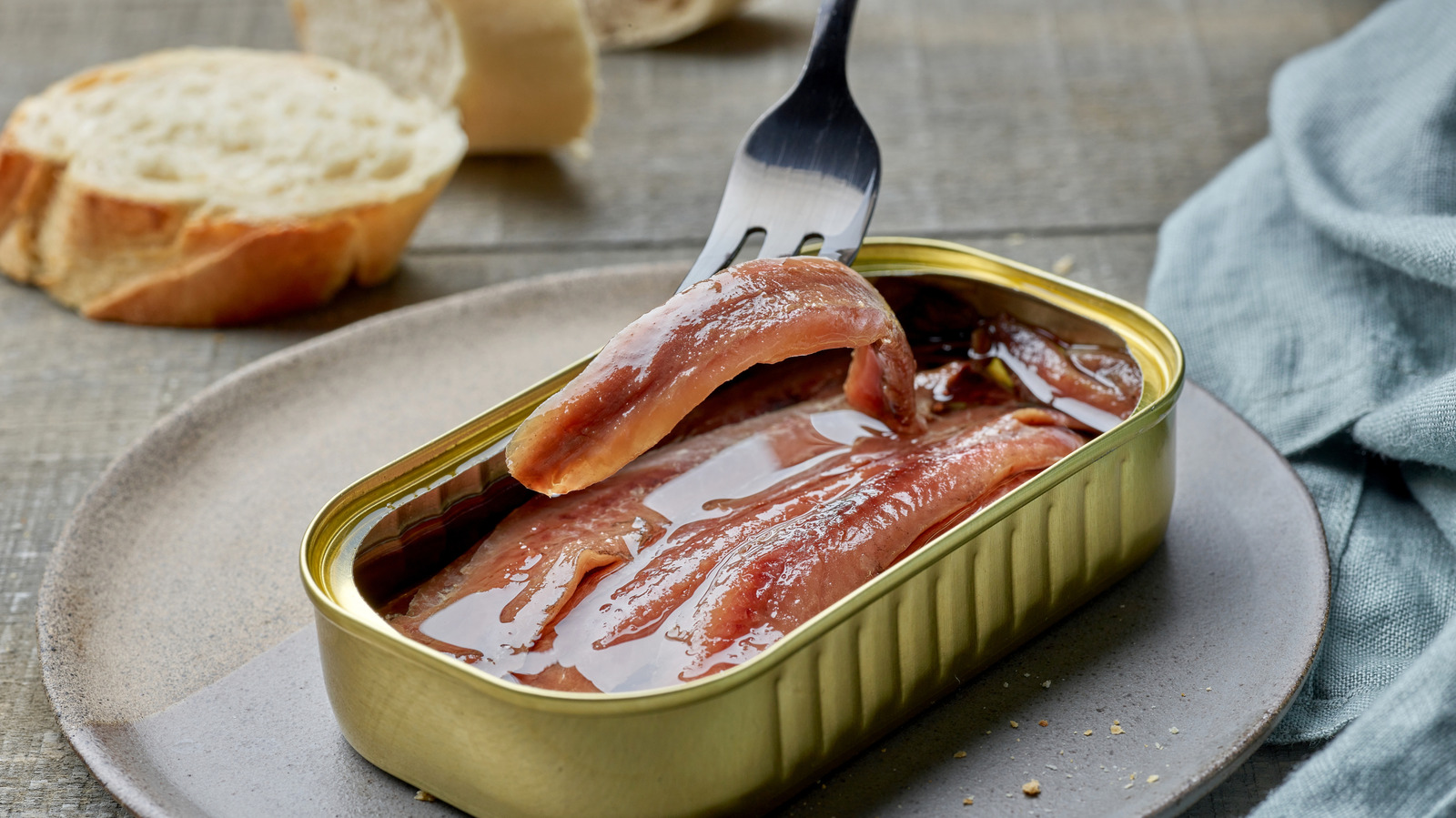
Chef Masa Ikuta brings serious classical training honed under Bruno Verjus at Table and Stephane Jego at L'Ami Jean to his own tasting menu restaurant in the 11th arrondissement. The cooking is confidently French-Japanese, moving from sardine churros with Cantabrian anchovy cream to veal brain tempura styled after shirako to a perfectly grilled lamb rack with smoky harissa.
Paris food

fromparisbymouth.com
3 months agoCanard Sauvage
The cooking is unpretentious and generous—big flavors, careful balance, no tweezers—at prices that feel increasingly rare in Paris. Standout dishes include a pheasant tourte with Morteau sausage and girolles, roasted beets with smoked eel and horseradish cream, and wild duck with a Porto jus and roasted parsnips.
Paris food
fromThe Local France
2 months agoSpeeding, French moving admin and pancakes: 6 essential articles for life in France
What you need to know about France's speeding laws, a checklist for the increasing number of Americans planning to move to France, whether children of British citizens born here need a UK passport - and Chandeleur traditions. Despite what you may think, French authorities actually do take speeding seriously, we reported this week that speed cameras on French roads will be modified throughout 2026 so that they bring back the 'flash' that lets drivers know they have been caught exceeding the speed limit.
France news
Paris food
fromPARIS BY MOUTH | WE'RE DELICIOUS
12 years agoBehind the Scenes at Paris' Best Baguette Competition | PARIS BY MOUTH
A bread enthusiast served as a jury member for Paris' 2013 Best Baguette competition, evaluating 152 baguettes based on appearance, cooking, texture, smell, and taste according to strict traditional French standards.
fromFrenchly
2 months agoThe Best French Crepe Recipes for Chandeleur - Frenchly
Every year on February 2nd, France celebrates La Chandeleur, also known as Candlemas Day or Crêpe Day. This centuries-old tradition was once linked to candlelight processions and good fortune rituals, but today it is mostly about something far more delicious: making and eating crêpes with family and friends. A famous French custom says that you should flip a crêpe with your right hand while holding a coin in your left-if you succeed, prosperity will come your way in the year ahead.
Cooking
fromPARIS BY MOUTH | WE'RE DELICIOUS
2 years agoBoubale | PARIS BY MOUTH
Israeli chef Assaf Granit shifts focus from Mediterranean cooking to Eastern European Jewish cuisine at Boubalé, located in the Grand Mazarin hotel steps from BHV. The menu draws on Ashkenazi traditions - borscht, chicken liver, pastrami, and potato-forward preparations inspired by Granit's Polish grandmother. The vast dining room manages warmth through maximalist touches: doilies, colorful glassware, and grandmother-approved murals. Standout dishes include salmon floating in borscht with pickled turnips, Israeli couscous risotto with spinach, and an exceptional chocolate mousse drizzled with olive oil.
Paris food
fromPARIS BY MOUTH | WE'RE DELICIOUS
6 months agoRobert et Louise | PARIS BY MOUTH
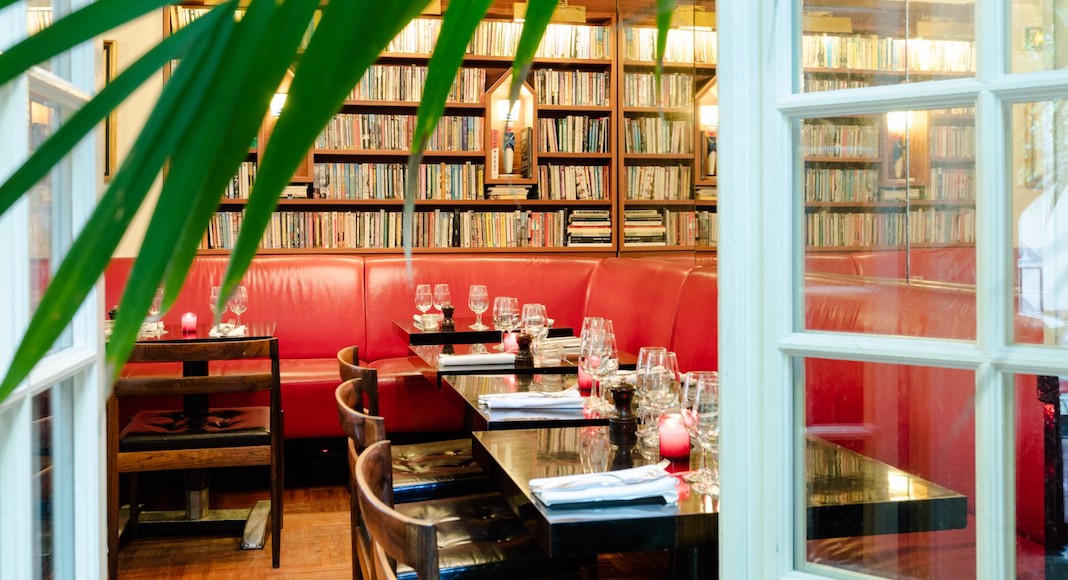
Live-fire cooking defines Robert et Louise, a Marais institution where beef, lamb, and duck sizzle over an open fireplace in the ground-floor dining room. The wood-fired approach delivers generous portions at moderate prices - most mains stay under 30€, with classic French bistro fare like blood sausage, grilled lamb chops, and charred steak. The main floor centers on a crackling brick fireplace where meat cooks directly over flame.
Paris food
Paris food
fromPARIS BY MOUTH | WE'RE DELICIOUS
1 month agoReviews for Paris By Mouth - the #1 Rated Paris Food Tour | PARIS BY MOUTH
Paris By Mouth provides expert-led, small-group, educational food and wine tours in Paris, consistently earning top TripAdvisor ratings and over 4,300 five-star reviews.
[ Load more ]