#somatic-shaking
#somatic-shaking
[ follow ]
#mental-health #psychology #mindfulness #relationships #healing #meditation #personal-growth #childhood-trauma
Psychology
fromSilicon Canals
12 hours agoPsychology says people who feel like they've been living someone else's life aren't confused or ungrateful - they're often the ones who were so good at adapting in childhood that they never stopped adapting long enough to find out who they actually were - Silicon Canals
Adapting to others' needs in childhood can lead to feeling disconnected and lost in adulthood.
Mindfulness
fromSilicon Canals
1 day agoThe older I get the more I notice that my body remembers arguments my mind has forgiven. A tone of voice, a specific pause before someone speaks, a door closing at a certain speed. Forgiveness turned out to be a cognitive event that the nervous system never agreed to. - Silicon Canals
Forgiveness involves both conscious decisions and unconscious bodily responses, highlighting the complexity of emotional healing beyond mere intention.
Mental health
fromSilicon Canals
7 hours agoPsychology says people who mellow out as they get older aren't the ones who suffered less - they're the ones who decided, at some point and without always knowing they were deciding, that the suffering was going to make them more open rather than less, and that decision, remade daily in small ways that nobody notices, is the entire difference - Silicon Canals
Emotional responses to life's challenges can change over time, leading to greater peace and stability despite ongoing difficulties.
#relationships
Relationships
fromSilicon Canals
3 days agoNot everyone who chooses a partner with visible problems is making bad decisions. Some of them are choosing people whose damage is louder than their own, because as long as they're fixing someone else, nobody turns the spotlight around and asks what broke them. - Silicon Canals
People often choose partners with visible problems to avoid confronting their own internal issues.
#trauma
Parenting
fromPsychology Today
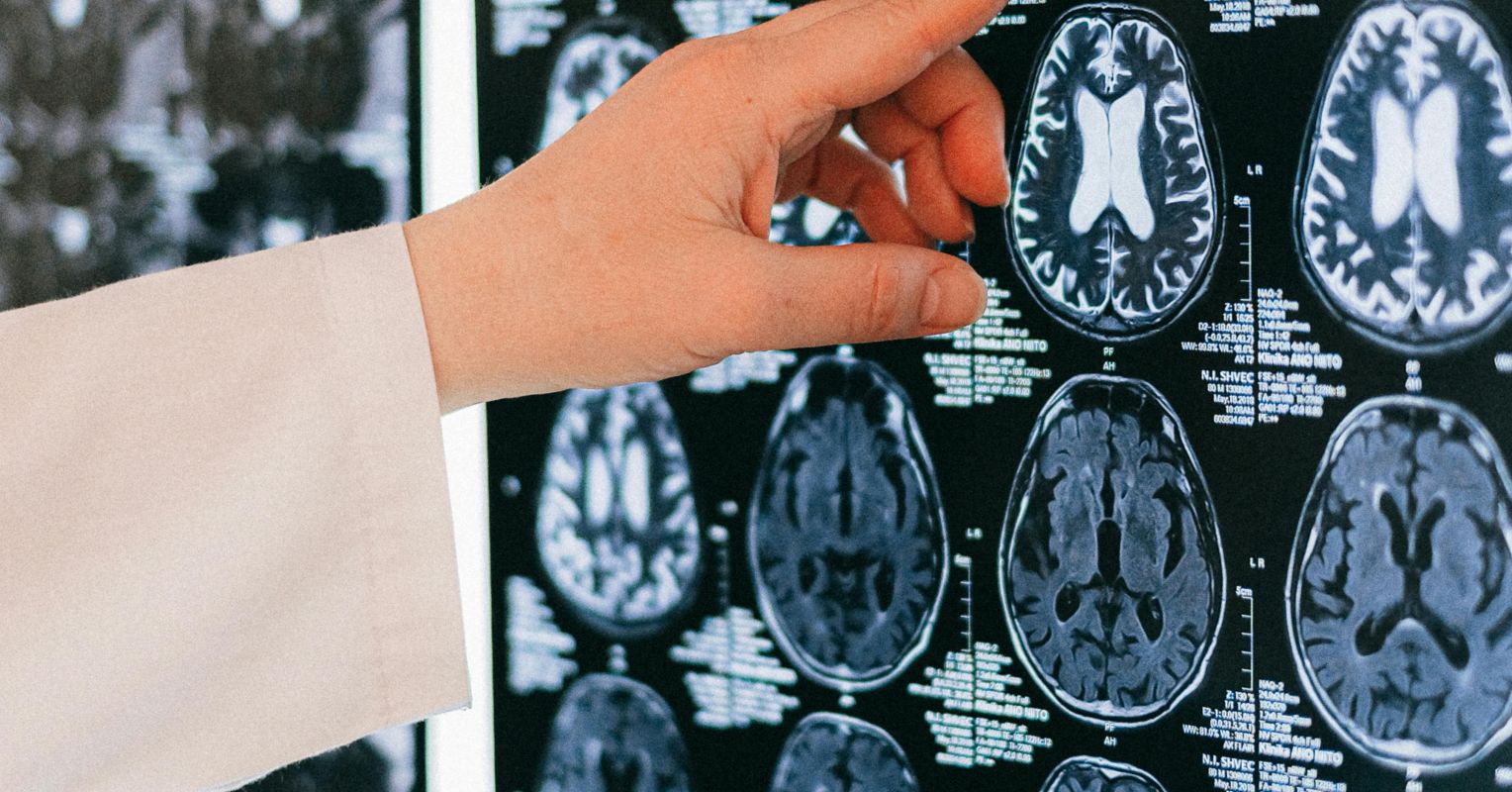
2 days agoHealing From Our Trauma Helps Shape Future Generations
Healing breaks generational trauma patterns and transforms relational dynamics and biology.

Psychology
fromSilicon Canals
1 day agoPsychology says people who apologize constantly without realizing it are more damaged than they appear - because they internalize blame and absorb conflict, a survival response from childhood, which never switches off even when they're safe - Silicon Canals
Excessive apologizing often stems from childhood experiences of mistreatment and can lead to chronic self-blame in adulthood.
Mindfulness
fromSilicon Canals
1 day agoI'm 37 and I've already learned that your body keeps score, your gut rarely lies, and your childhood follows you into every relationship - while pretending I had it all figured out at 25 - Silicon Canals
Emotional struggles and stress manifest physically, impacting health and well-being.
Alternative medicine
fromFortune
3 weeks ago12 Alternative Therapies for Chronic Pain | Fortune
Non-drug approaches like acupuncture, massage, meditation, and tai chi are recommended as first-line treatments for chronic pain in older adults, with many patients reducing or eliminating pain medication use.
Mental health
fromSilicon Canals
5 days agoI grew up with a mother who was physically there but emotionally unreachable - and the confusion that produced, the child's inability to grieve a parent who is standing right in front of them, is the thing I have spent the most years in therapy trying to untangle and the thing I understood least for the longest - Silicon Canals
Emotional absence from a present parent can lead to profound feelings of unworthiness in a child.
Mindfulness
fromSilicon Canals
2 days agoPsychology says the most important life lesson isn't learning to make better decisions - it's learning to live peacefully with the ones you can't undo - Silicon Canals
Irreversible choices shape our lives and learning to coexist with them is crucial for mental well-being.
Psychology
fromSilicon Canals
4 days agoPsychology says the people who actually escape loneliness don't do it by finding more people - they do it by finally dropping the version of themselves that made real connection impossible in the first place - Silicon Canals
Loneliness stems from a lack of genuine connection, not merely from being alone or having many acquaintances.
fromPsychology Today
1 month agoBreaking Free From Childhood Patterns
Childhood patterns of beliefs, behaviors, and emotions are easily introduced to our young, malleable psyches through immediate family members, relatives, teachers, clergy, and coaches who present prescribed ways to live. The beliefs we inherit describe convictions about religion, work, money, and relationships, including how to relate to emotions through either suppression or expression.
Miscellaneous
Psychology
fromSilicon Canals
4 days agoThere's a particular kind of strength that belongs to people who rebuilt their entire personality after 40 - not because something broke them, but because they finally had enough distance from their childhood to see what was never theirs to carry - Silicon Canals
Personality changes after forty often reflect a deeper honesty about one's true self rather than a crisis or breakdown.
#emotional-intelligence
Psychology
fromSilicon Canals
4 days agoPeople who go quiet when they're hurt instead of raising their voice learned somewhere very early that their anger wasn't received as information. It was received as an inconvenience. So they stopped sending the signal and started absorbing the damage, and they've been doing it so long they sometimes mistake silence for calm - Silicon Canals
Silence during conflict often indicates deeper emotional pain rather than composure or passive aggression.

Psychology
fromSilicon Canals
4 days agoPeople who go quiet when they're hurt instead of raising their voice learned somewhere very early that their anger wasn't received as information. It was received as an inconvenience. So they stopped sending the signal and started absorbing the damage, and they've been doing it so long they sometimes mistake silence for calm - Silicon Canals
Silence during conflict often indicates deeper emotional pain rather than composure or passive aggression.
fromPsychology Today
4 days agoPartnership on the Spiritual Path
Devon Hase states, 'People are trying desperately to fix, optimize, or escape their way out of relationship difficulty - and suffering more for the effort. Social media has made this worse! We're surrounded by images of perfect partnerships while quietly drowning in our own ordinary struggles.' This highlights the pressure couples feel in the age of social media.
Mindfulness
Psychology
fromSilicon Canals
1 week agoResearch suggests the calmest people in any room aren't naturally calm - they once had the most chaotic inner world and built stillness the way someone builds a house around a wound, one deliberate wall at a time - Silicon Canals
Calm is constructed through experience and understanding, not an inherent trait or genetic gift.
Psychology
fromPsychology Today
2 weeks agoHow to Let Go of the Need to Say "I Told You So"
The urge to say 'I told you so' stems from unmet validation needs rather than genuine helpfulness, and resisting this impulse through the observing self demonstrates psychological maturity and protects relationships.
Mindfulness
fromPsychology Today
2 weeks agoThe Overview Effect, Body Literacy, and Well-Being Skills
All humans share the same biological stress-response system, but lived experience shapes how individual nervous systems develop and respond to threats, and learning nervous system regulation can create perspective shifts similar to the Overview Effect.
#nervous-system
Mindfulness
fromSilicon Canals
2 weeks agoI used to think I was bad at relaxing until I realized I was actually excellent at scanning for what might go wrong next, and those two things cannot occupy the same body at the same time. - Silicon Canals
Relaxation failure stems from continuous threat assessment in the nervous system, not lack of discipline; the body cannot simultaneously scan for danger and rest due to competing neurological states.
Mindfulness
fromwww.theguardian.com
3 weeks agoMy depression felt creatively expansive. Now I've overcome it, how do I keep the meaningful parts? | Leading questions
Depression creates a false sense of depth and truth through darkness, but intensity and authenticity exist equally in joy, love, and light as they do in despair.
Mental health
fromSilicon Canals
1 month agoThe hardest part of healing isn't facing what happened to you. It's grieving the version of yourself that had to exist because of it. - Silicon Canals
Therapy's hardest work involves grieving the adaptive self—the survival identity you constructed—rather than confronting initial trauma, requiring surrender rather than courage.
fromPsychology Today
2 months agoThe Moment You're In Matters More Than the One You Remember
One of my earliest cognitive therapy patients asked if we'd spend time exploring his past. He thought we might find patterns that would explain his depression. I was taken aback. I had just discovered a set of powerful, active techniques that helped people change how they felt in the here-and-now. As a psychiatric resident, I had seen that endless venting without specific techniques for change led to little or no relief.
Mental health
Mental health
fromSilicon Canals
1 month agoYou know you're finally healing when these 8 old patterns have stopped running your life - Silicon Canals
Healing requires confronting recurring patterns, reducing compulsive busyness, recognizing triggers, and building positive habits that support emotional regulation.
fromPsychology Today
2 months agoCellular Memory, Trauma, and Fear
They are known, as it were, from the neck up. The cellular memory of facts and experiences, however, connects mind and body: My body recalls that showing my true feelings in childhood led to a put-down. A slammed door meant that Dad was home and drunk. The specific fact/event may be forgotten, but the bodily reaction remains: Any slamming noise may induce terror.
Mindfulness
[ Load more ]