#aging-and-psychology

[ follow ]
#aging
Psychology
fromSilicon Canals
1 day ago

Psychology says people who slowly become unpleasant to be around as they get older didn't develop new flaws - they lost the motivation to manage the old ones, and the management, it turns out, was doing considerably more work than anyone around them understood while it was still running - Silicon Canals

People don't become worse with age; they simply stop managing their flaws as their energy to do so diminishes.
Parenting
fromSilicon Canals
2 days ago

The most painful thing about watching a parent age isn't the physical decline. It's the moment you catch them deferring to you on a decision they would have made without hesitation ten years ago, and you both feel the transfer of authority that neither of you agreed to. - Silicon Canals

The real challenge of aging parents lies in the subtle shifts of authority and uncertainty in their decision-making.
Mental health
fromSilicon Canals
4 days ago

Psychology says the reason aging people feel like they don't matter isn't about what they've lost - it's that society defines mattering as productivity and visibility, and the moment you step outside those narrow roles, your value becomes invisible even to people who love you - Silicon Canals

Retirement and aging can lead to feelings of invisibility and worthlessness due to society's narrow definitions of productivity.
Mental health
fromSilicon Canals
4 days ago

Psychology explains the reason some people grow sweeter with age while others grow bitter has nothing to do with how hard their life was - it's about whether they learned to grieve their losses or hoard them - Silicon Canals

Aging can lead to either bitterness or sweetness, depending on how one processes life's hurts and losses.
Mental health
fromSilicon Canals
1 week ago

Psychology says the real reason being over 60 is so hard isn't aging itself - it's that modern culture has no framework for dignity without productivity, and once you stop producing economic value, you become socially invisible in a way that no amount of grandchildren or hobbies can fix - Silicon Canals

The hardest part of aging in the modern West is the cultural equation between productivity and personhood, not physical decline.
Psychology
fromSilicon Canals
1 day ago

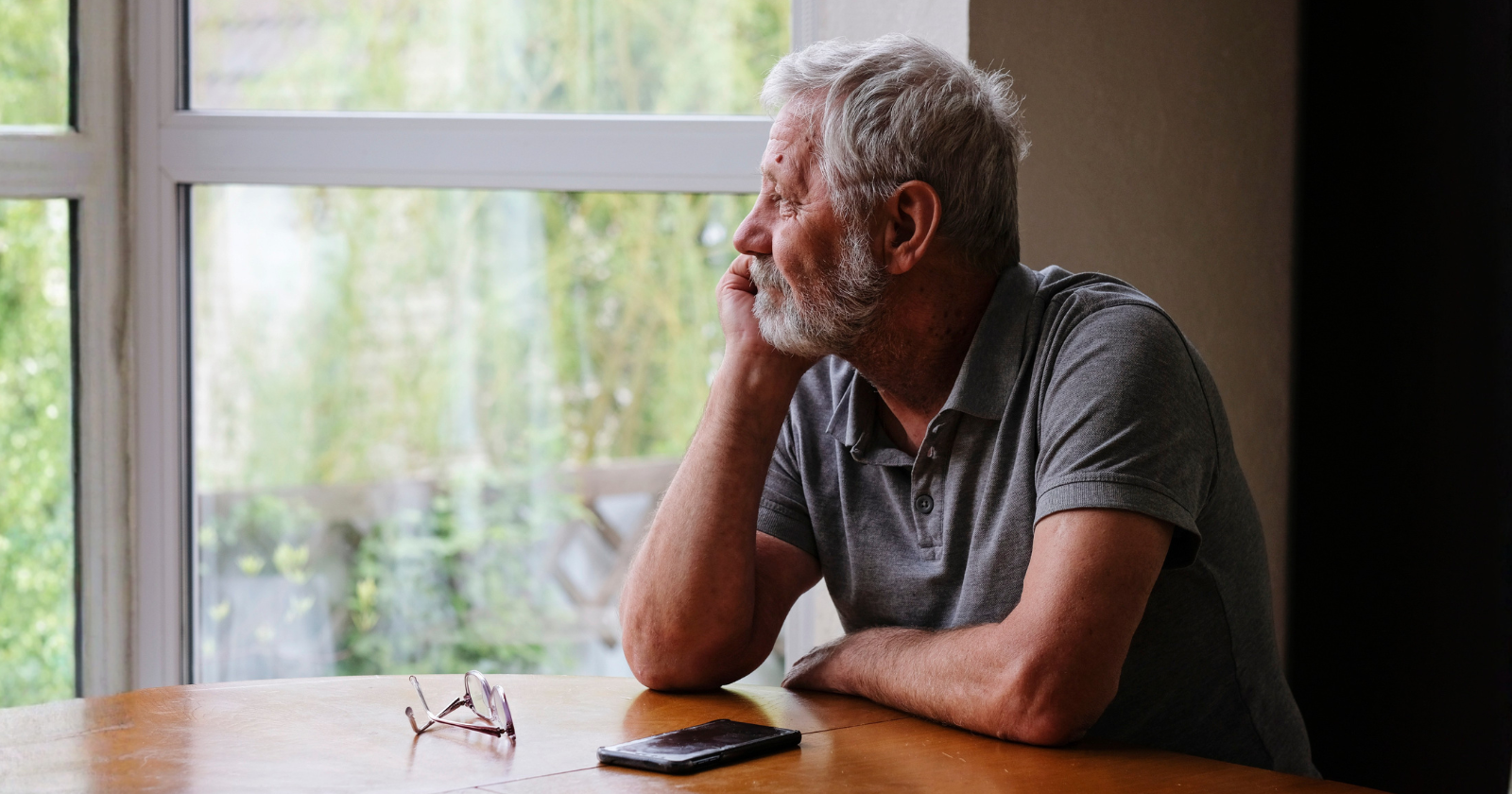
Psychology says people who slowly become unpleasant to be around as they get older didn't develop new flaws - they lost the motivation to manage the old ones, and the management, it turns out, was doing considerably more work than anyone around them understood while it was still running - Silicon Canals

People don't become worse with age; they simply stop managing their flaws as their energy to do so diminishes.
Health
fromHarvard Gazette
6 days ago

Rethinking what it means to age - Harvard Gazette

Living longer does not equate to living healthier, as many older adults face chronic health conditions.
Parenting
fromSilicon Canals
2 days ago

The most painful thing about watching a parent age isn't the physical decline. It's the moment you catch them deferring to you on a decision they would have made without hesitation ten years ago, and you both feel the transfer of authority that neither of you agreed to. - Silicon Canals

The real challenge of aging parents lies in the subtle shifts of authority and uncertainty in their decision-making.
Mental health
fromSilicon Canals
4 days ago

Psychology says the reason aging people feel like they don't matter isn't about what they've lost - it's that society defines mattering as productivity and visibility, and the moment you step outside those narrow roles, your value becomes invisible even to people who love you - Silicon Canals

Retirement and aging can lead to feelings of invisibility and worthlessness due to society's narrow definitions of productivity.
Mental health
fromSilicon Canals
4 days ago

Psychology explains the reason some people grow sweeter with age while others grow bitter has nothing to do with how hard their life was - it's about whether they learned to grieve their losses or hoard them - Silicon Canals

Aging can lead to either bitterness or sweetness, depending on how one processes life's hurts and losses.
Mental health
fromSilicon Canals
1 week ago

Psychology says the real reason being over 60 is so hard isn't aging itself - it's that modern culture has no framework for dignity without productivity, and once you stop producing economic value, you become socially invisible in a way that no amount of grandchildren or hobbies can fix - Silicon Canals

The hardest part of aging in the modern West is the cultural equation between productivity and personhood, not physical decline.
Medicine
fromSocial Media Explorer
1 day ago

The Silent Two-Decade Build-Up of Alzheimer's - Social Media Explorer

Changes in the brain associated with Alzheimer's can begin years before symptoms appear, yet assessments often occur only after noticeable cognitive decline.
#loneliness
Mental health
fromSilicon Canals
1 day ago

Psychology says the loneliness that arrives after 65 isn't an inevitable feature of aging - it's the accumulated result of every friendship that was allowed to thin, every phone call that was delayed, every invitation that wasn't extended, compounded quietly over decades until the social life that once maintained itself without effort requires more effort than it has ever required and more energy than is currently available - Silicon Canals

Loneliness often stems from a series of small decisions that weaken social connections over time.
Psychology
fromSilicon Canals
2 days ago

Psychology says the loneliest people in life aren't the ones nobody likes - they're the kind, helpful people everyone appreciates but nobody thinks to check on because they seem so self-sufficient - Silicon Canals

Highly capable, helpful individuals often feel lonely because their strength creates an illusion that they do not need support.
Mental health
fromSilicon Canals
1 day ago

Psychology says the loneliness that arrives after 65 isn't an inevitable feature of aging - it's the accumulated result of every friendship that was allowed to thin, every phone call that was delayed, every invitation that wasn't extended, compounded quietly over decades until the social life that once maintained itself without effort requires more effort than it has ever required and more energy than is currently available - Silicon Canals

Loneliness often stems from a series of small decisions that weaken social connections over time.
Psychology
fromSilicon Canals
2 days ago

Psychology says the loneliest people in life aren't the ones nobody likes - they're the kind, helpful people everyone appreciates but nobody thinks to check on because they seem so self-sufficient - Silicon Canals

Highly capable, helpful individuals often feel lonely because their strength creates an illusion that they do not need support.
#parenting
Parenting
fromSilicon Canals
2 hours ago

Research suggests the 1960s and 70s produced adults who could self-soothe, entertain themselves, and tolerate boredom - not because their parents were wise but because their parents were simply elsewhere - Silicon Canals

Modern parenting emphasizes structured activities, contrasting sharply with past generations' unstructured play, which may have fostered resilience and independence in children.
Parenting
fromSilicon Canals
2 days ago

Psychology says parents who can't stop helping their adult children aren't being loving - they're unconsciously protecting themselves from the terror of becoming unnecessary - Silicon Canals

Parental overinvolvement may stem from a fear of irrelevance rather than solely from love.
fromSilicon Canals
4 days ago
Parenting

Psychology says the 1960s and 70s accidentally produced one of the most emotionally durable generations in modern history - not through better parenting but through benign neglect that forced children to develop internal regulation instead of waiting for adult intervention - Silicon Canals

Parenting
fromSilicon Canals
2 hours ago

Research suggests the 1960s and 70s produced adults who could self-soothe, entertain themselves, and tolerate boredom - not because their parents were wise but because their parents were simply elsewhere - Silicon Canals

Modern parenting emphasizes structured activities, contrasting sharply with past generations' unstructured play, which may have fostered resilience and independence in children.
Parenting
fromSilicon Canals
2 days ago

Psychology says parents who can't stop helping their adult children aren't being loving - they're unconsciously protecting themselves from the terror of becoming unnecessary - Silicon Canals

Parental overinvolvement may stem from a fear of irrelevance rather than solely from love.
Parenting
fromSilicon Canals
4 days ago

Psychology says the 1960s and 70s accidentally produced one of the most emotionally durable generations in modern history - not through better parenting but through benign neglect that forced children to develop internal regulation instead of waiting for adult intervention - Silicon Canals

Children in the 70s thrived on unstructured play and minimal parental intervention, fostering independence and problem-solving skills.
#success
Mindfulness
fromPsychology Today
1 hour ago

The Hidden Cost of Success

Success can lead to self-abandonment when internal signals are overridden, resulting in a disconnection from oneself despite external achievements.
Psychology
fromSilicon Canals
1 day ago

Psychology says people who grew up poor and became successful often can't fully enjoy it - not because they're ungrateful, but because some part of them never stopped waiting for it to disappear - Silicon Canals

Successful individuals often struggle with feelings of scarcity and anxiety about their financial stability, despite their achievements.
Mindfulness
fromPsychology Today
1 hour ago

The Hidden Cost of Success

Success can lead to self-abandonment when internal signals are overridden, resulting in a disconnection from oneself despite external achievements.
Psychology
fromSilicon Canals
1 day ago

Psychology says people who grew up poor and became successful often can't fully enjoy it - not because they're ungrateful, but because some part of them never stopped waiting for it to disappear - Silicon Canals

Successful individuals often struggle with feelings of scarcity and anxiety about their financial stability, despite their achievements.
Careers
fromSilicon Canals
10 hours ago

I'm 66 and I spent forty years being extremely good at my job and last spring I realized I had optimized my entire existence for the approval of people I didn't particularly like - Silicon Canals

Professional dedication can sometimes mask a deeper need for approval from others, leading to personal sacrifices and a loss of self-identity.
Design
fromPsychology Today
1 day ago

The Future of Brain Health Is Architecture

The built environment significantly influences mental health, mood, and performance, with neuroscience guiding design for improved well-being.
#retirement
Retirement
fromSilicon Canals
3 days ago

Psychologists explain that people who feel neglected in retirement aren't necessarily being ignored - they're experiencing the sudden absence of the role-based relationships that made them feel valued for forty years - Silicon Canals

Retirement can lead to feelings of invisibility and loss of identity as relationships formed at work fade away.
Retirement
fromSilicon Canals
1 week ago

Psychology says the reason retired men sit in silence isn't because they have nothing to say - it's because they've lost the only identity anyone ever valued them for - Silicon Canals

Retirement can lead to a profound identity crisis for men who equate self-worth with professional achievement.
Mental health
fromSilicon Canals
1 day ago

I'm 66 and I woke up last Thursday and realized I couldn't name a single thing I was looking forward to - not because nothing good was happening but because I'd trained myself to find meaning in being needed and nobody needs me anymore - Silicon Canals

Finding purpose in being needed can lead to a loss of personal desires and identity after retirement.
Mindfulness
fromSilicon Canals
4 days ago

Behavioral scientists found that the most dangerous period in a man's retirement isn't the first week or even the first month - it's the moment around month four when the novelty wears off and you realize that the life you spent thirty years dreaming about has no structure, no purpose, and no one waiting for you to show up - Silicon Canals

Retirement brings an initial euphoria followed by a sense of emptiness as purpose diminishes after completing projects.
Retirement
fromSilicon Canals
3 days ago

Psychologists explain that people who feel neglected in retirement aren't necessarily being ignored - they're experiencing the sudden absence of the role-based relationships that made them feel valued for forty years - Silicon Canals

Retirement can lead to feelings of invisibility and loss of identity as relationships formed at work fade away.
Retirement
fromSilicon Canals
1 week ago

Psychology says the reason retired men sit in silence isn't because they have nothing to say - it's because they've lost the only identity anyone ever valued them for - Silicon Canals

Retirement can lead to a profound identity crisis for men who equate self-worth with professional achievement.
Mental health
fromSilicon Canals
1 day ago

I'm 66 and I woke up last Thursday and realized I couldn't name a single thing I was looking forward to - not because nothing good was happening but because I'd trained myself to find meaning in being needed and nobody needs me anymore - Silicon Canals

Finding purpose in being needed can lead to a loss of personal desires and identity after retirement.
Mindfulness
fromSilicon Canals
4 days ago

Behavioral scientists found that the most dangerous period in a man's retirement isn't the first week or even the first month - it's the moment around month four when the novelty wears off and you realize that the life you spent thirty years dreaming about has no structure, no purpose, and no one waiting for you to show up - Silicon Canals

Retirement brings an initial euphoria followed by a sense of emptiness as purpose diminishes after completing projects.
Writing
fromSilicon Canals
1 day ago

I'm 66 and the most important relationship of my adult life has been with solitude - not as a consolation for the company I didn't have, but as the place where I have always been most honest, most creative, and most recognizably myself, and I spent too many years being embarrassed about that before I understood it was simply how I was built - Silicon Canals

Solitude allows for self-discovery and personal reflection, free from societal expectations and external pressures.
#happiness
Relationships
fromSilicon Canals
2 days ago

I'm 73 and my husband asked me what makes me happy and I gave him the answer I thought he wanted to hear - our kids, our grandkids, our home - but the real answer is I genuinely don't know anymore because I've spent forty years editing my joy to fit other people's expectations - Silicon Canals

Editing joy to fit others' expectations can lead to losing sight of what truly makes one happy.
Writing
fromSilicon Canals
1 day ago

I'm 66 and I spent four decades chasing the version of happiness I saw in other people's living rooms - and the day I stopped, I noticed I'd been happy in my own kitchen all along - Silicon Canals

Measuring happiness against others' lives leads to perpetual dissatisfaction and obscures personal contentment.
Mindfulness
fromSilicon Canals
4 days ago

The happiest older adults aren't optimists - they're realists who stopped arguing with reality - Silicon Canals

Happiness in older adults stems from acceptance of reality rather than constant positivity or optimism.
Psychology
fromSilicon Canals
5 days ago

Research suggests the likeability drop that many people experience after 60 correlates almost perfectly with an increase in self-reported life satisfaction - which means the trade most people make without realizing it is that they exchange social approval for internal alignment, and the people who notice you've changed are almost always the ones who preferred the version of you that prioritized their comfort over your truth - Silicon Canals

Life satisfaction increases after 60 as people care less about others' approval and embrace personal freedom.
Relationships
fromSilicon Canals
2 days ago

I'm 73 and my husband asked me what makes me happy and I gave him the answer I thought he wanted to hear - our kids, our grandkids, our home - but the real answer is I genuinely don't know anymore because I've spent forty years editing my joy to fit other people's expectations - Silicon Canals

Editing joy to fit others' expectations can lead to losing sight of what truly makes one happy.
Writing
fromSilicon Canals
1 day ago

I'm 66 and I spent four decades chasing the version of happiness I saw in other people's living rooms - and the day I stopped, I noticed I'd been happy in my own kitchen all along - Silicon Canals

Measuring happiness against others' lives leads to perpetual dissatisfaction and obscures personal contentment.
Mindfulness
fromSilicon Canals
4 days ago

The happiest older adults aren't optimists - they're realists who stopped arguing with reality - Silicon Canals

Happiness in older adults stems from acceptance of reality rather than constant positivity or optimism.
Psychology
fromSilicon Canals
5 days ago

Research suggests the likeability drop that many people experience after 60 correlates almost perfectly with an increase in self-reported life satisfaction - which means the trade most people make without realizing it is that they exchange social approval for internal alignment, and the people who notice you've changed are almost always the ones who preferred the version of you that prioritized their comfort over your truth - Silicon Canals

Life satisfaction increases after 60 as people care less about others' approval and embrace personal freedom.
Running
fromiRunFar
2 days ago

Running and Aging: Finding Surprise Improvements

Crown King Scramble 50k offers a consistent and challenging course for runners, fostering a strong community and personal growth through endurance.
SF parents
fromwww.bbc.com
4 days ago

My daughter has childhood dementia and may not live past 16

Sophia Scott's family faces the challenges of her rare, incurable condition, Sanfilippo syndrome, which causes childhood dementia and impacts their lives significantly.
Psychology
fromSilicon Canals
20 hours ago

Psychology says the reason older people stop caring isn't emotional withdrawal - it's that they've finally learned to distinguish between what actually matters and what they were only caring about out of social obligation - Silicon Canals

Older individuals prioritize emotional connections over superficial relationships as they age, focusing on what truly matters in their lives.
Mental health
fromSilicon Canals
1 day ago

Psychology says people who mellow out as they get older aren't the ones who suffered less - they're the ones who decided, at some point and without always knowing they were deciding, that the suffering was going to make them more open rather than less, and that decision, remade daily in small ways that nobody notices, is the entire difference - Silicon Canals

Emotional responses to life's challenges can change over time, leading to greater peace and stability despite ongoing difficulties.
Medicine
fromPsychology Today
3 hours ago

Mitochondria and Mental Health

Mitochondrial dysfunction is a key factor in depression, bipolar disorder, and schizophrenia, affecting neuroplasticity and treatment resistance.
Mindfulness
fromSilicon Canals
14 hours ago

Psychology says people who constantly research self-improvement but never start aren't lazy - they've confused the feeling of learning with the feeling of changing - Silicon Canals

Learning about self-improvement can create a false sense of progress without actual change in behavior.
Digital life
fromSilicon Canals
1 week ago

Psychology says older adults who stay tech-savvy into their 70s and 80s aren't just 'good with computers' - they display a specific type of cognitive flexibility that actually protects against age-related decline - Silicon Canals

Regular technology use may significantly reduce the risk of cognitive decline in older adults.
Relationships
fromSilicon Canals
5 days ago

Behavioral scientists found that the people who become less likeable with age but more respected are operating on a principle most people understand intellectually but can't execute emotionally - that respect and likeability are often inversely correlated after 60, because likeability requires you to shrink and respect requires you to hold your shape, and most people spent their first six decades shrinking and their last two deciding that holding their shape matters more than fitting into someone else's fra

Standing up for oneself can lead to decreased likability, but it is a necessary part of emotional maturity and self-respect.
#emotional-health
Retirement
fromSilicon Canals
3 days ago

I'm 66 and I spent forty years trying to stay positive through everything - and what I actually created was a life where nobody knew me well enough to notice when I was drowning - Silicon Canals

Staying positive can lead to hidden struggles and emotional isolation, as individuals often mask their true feelings to appear strong.
Relationships
fromSilicon Canals
1 week ago

People who were always the strong one in the family often become the loneliest person in the room after 65. Every link must be real and accurate - Silicon Canals

Being the strong one in a family can lead to profound loneliness in later life due to a lack of emotional reciprocity.
Retirement
fromSilicon Canals
3 days ago

I'm 66 and I spent forty years trying to stay positive through everything - and what I actually created was a life where nobody knew me well enough to notice when I was drowning - Silicon Canals

Staying positive can lead to hidden struggles and emotional isolation, as individuals often mask their true feelings to appear strong.
Relationships
fromSilicon Canals
1 week ago

People who were always the strong one in the family often become the loneliest person in the room after 65. Every link must be real and accurate - Silicon Canals

Being the strong one in a family can lead to profound loneliness in later life due to a lack of emotional reciprocity.
Psychology
fromSilicon Canals
1 day ago

Psychology suggests people who adopt their parents' bad traits as they get older aren't becoming their parents - they're reverting to the most deeply installed operating system they have, the one that was running before they were old enough to choose a different one, and stress, age, and the slow erosion of self-monitoring are simply the conditions under which it boots back up - Silicon Canals

Behavioral patterns from childhood can resurface under stress, revealing deep-rooted psychological templates formed from early experiences.
#dementia
Medicine
fromwww.cbc.ca
15 hours ago

These Ontario researchers are using virtual reality gaming to help older adults with dementia stay fit | CBC News

Exercise video games using virtual reality can help older adults with dementia stay active and engaged in therapeutic activities.
Medicine
fromwww.cbc.ca
15 hours ago

These Ontario researchers are using virtual reality gaming to help older adults with dementia stay fit | CBC News

Exercise video games using virtual reality can help older adults with dementia stay active and engaged in therapeutic activities.
Mental health
fromPsychology Today
4 hours ago

Is Too Much Information Fueling Your Anxiety?

Anxiety disorders have increased significantly, likely due to technology's impact on information overload and intolerance of uncertainty.
Mindfulness
fromBuzzFeed
2 days ago

21 Less Obvious Young Person Habits That Can Silently Harm People Later In Life

Constant availability to others is psychologically damaging and undermines personal boundaries.
Psychology
fromMail Online
10 hours ago

You really SHOULD laugh at your mistakes, study reveals embarrassed

Laughing at minor mistakes makes individuals appear more likeable and socially confident, while excessive embarrassment can be viewed negatively.
Mental health
fromSilicon Canals
5 hours ago

Psychology says people who were told they were gifted as children often grow into adults who avoid challenges - because their identity was built on being naturally good, not on getting better - Silicon Canals

Labeling children as 'gifted' can hinder their growth by tying their self-worth to innate talent rather than effort and improvement.
Mindfulness
fromSilicon Canals
2 days ago

The older I get the more I notice that my body remembers arguments my mind has forgiven. A tone of voice, a specific pause before someone speaks, a door closing at a certain speed. Forgiveness turned out to be a cognitive event that the nervous system never agreed to. - Silicon Canals

Forgiveness involves both conscious decisions and unconscious bodily responses, highlighting the complexity of emotional healing beyond mere intention.
fromPsychology Today
3 days ago

Why Lewy Body Dementia Is Often Overlooked or Misdiagnosed

Lewy body dementia (LBD) is the second-most-common neurodegenerative cause of dementia, after Alzheimer's Disease. But it's the most-common cause that doesn't receive sufficient attention.
Medicine
#self-worth
Psychology
fromPsychology Today
2 hours ago

Why Confidence Doesn't Always Reflect True Self-Worth

Authentic self-worth is grounded in presence and self-acceptance, contrasting with fragile self-worth tied to external perceptions.
Psychology
fromSilicon Canals
8 hours ago

Nobody teaches children how to know their own worth - we teach them to perform, to achieve, and to behave, and then wonder why so many adults reach fifty still measuring themselves against someone else's ruler - Silicon Canals

Self-worth is inherent and not based on achievements or external validation.
Psychology
fromSilicon Canals
3 days ago

Psychology says if you want your 70s to be the best years of your life you have to stop doing something most people don't quit until it's too late - and the quitting isn't dramatic, it's just the daily decision to stop measuring yourself by a standard that was always someone else's and never actually yours - Silicon Canals

Measuring worth by external standards leads to dissatisfaction; true value comes from personal fulfillment, not societal expectations.
Psychology
fromSilicon Canals
2 days ago

Psychology says people who feel successful at 50 aren't the ones who achieved the most - they're the ones who stopped measuring their worth against an imaginary scoreboard they inherited at 23 - Silicon Canals

Measuring worth against inherited societal scorecards leads to disappointment and a distorted sense of success.
Psychology
fromPsychology Today
2 hours ago

Why Confidence Doesn't Always Reflect True Self-Worth

Authentic self-worth is grounded in presence and self-acceptance, contrasting with fragile self-worth tied to external perceptions.
Psychology
fromSilicon Canals
8 hours ago

Nobody teaches children how to know their own worth - we teach them to perform, to achieve, and to behave, and then wonder why so many adults reach fifty still measuring themselves against someone else's ruler - Silicon Canals

Self-worth is inherent and not based on achievements or external validation.
Psychology
fromSilicon Canals
3 days ago

Psychology says if you want your 70s to be the best years of your life you have to stop doing something most people don't quit until it's too late - and the quitting isn't dramatic, it's just the daily decision to stop measuring yourself by a standard that was always someone else's and never actually yours - Silicon Canals

Measuring worth by external standards leads to dissatisfaction; true value comes from personal fulfillment, not societal expectations.
Psychology
fromSilicon Canals
2 days ago

Psychology says people who feel successful at 50 aren't the ones who achieved the most - they're the ones who stopped measuring their worth against an imaginary scoreboard they inherited at 23 - Silicon Canals

Measuring worth against inherited societal scorecards leads to disappointment and a distorted sense of success.
Wellness
fromPsychology Today
2 weeks ago

The 6 Pillars of Brain Health

Six pillars of brain health—exercise, sleep, social engagement, stress management, cognitive stimulation, and nutrition—support cognitive function and overall well-being across all life stages.
Mindfulness
fromPsychology Today
3 days ago

Mental Time Travel Is Our Ticket for a Healthier Society

Short-term thinking can lead to regrets; mental time travel enhances decision-making and benefits organizations through Future Design.
Psychology
fromSilicon Canals
18 hours ago

People who clean before the cleaner arrives, apologize when someone bumps into them, and pre-explain before anyone has asked for a justification all grew up in homes where taking up space without earning it first was treated as an act of aggression. - Silicon Canals

Cleaning before the cleaner reflects a deeper issue of feeling unworthy of help without prior justification.
Mindfulness
fromSilicon Canals
3 days ago

Psychology says the most important life lesson isn't learning to make better decisions - it's learning to live peacefully with the ones you can't undo - Silicon Canals

Irreversible choices shape our lives and learning to coexist with them is crucial for mental well-being.
Psychology
fromSilicon Canals
22 hours ago

Psychology says people who reply to messages within seconds aren't just efficient - they've built their sense of safety around being reachable, because somewhere in their past, being slow to respond had consequences - Silicon Canals

Instant responses to messages often stem from a psychological need to mitigate perceived threats rather than mere efficiency.
Mindfulness
fromSilicon Canals
3 days ago

Psychology suggests people who stay calm during conflict aren't less emotional - they learned early that the person who controls the temperature of the room controls the outcome, and they stopped reacting and started choosing - Silicon Canals

Controlling emotional responses during conflict can significantly influence the outcome of the situation.
Psychology
fromSilicon Canals
6 hours ago

The hardest thing about being the calm one in a family is that your steadiness becomes load-bearing. Everyone leans on it, nobody asks what holds it up, and the day you finally crack, people don't comfort you. They panic. Because your collapse threatens the architecture, and the architecture was always more important than you were. - Silicon Canals

The calm family member often bears the burden of emotional labor, managing others' feelings while suppressing their own.
Mental health
fromPsychology Today
2 days ago

Start Strong But Never Finish? 4 Causes and 4 Solutions

Starting strong and quitting is common due to tedium, poor planning, and discouragement; recognizing patterns and seeking support can help overcome this.
Health
fromwww.scientificamerican.com
1 month ago

Is the key to better aging all in our mind?

Older adults with positive views about aging show improvements in cognitive skills and physical fitness, while negative aging beliefs correlate with decline.
Psychology
fromSilicon Canals
12 hours ago

Some people don't cancel plans because they're flaky. They committed when one version of their energy was available and the person who wakes up that morning is operating on a completely different reserves system. The commitment was real. The capacity isn't. - Silicon Canals

Cancelled plans reveal a flawed assumption about self-consistency and commitment, suggesting a need for a new understanding of social expectations.
Mental health
fromPsychology Today
2 days ago

This Theory Explains Why Neurodivergents Are Burning Out

Neurodivergent individuals experience higher burnout rates, necessitating accommodations to balance job demands and resources.
Psychology
fromSilicon Canals
20 hours ago

Psychology says people who let their pets sleep in their bed aren't clingy or emotionally stunted - they've found one of the only relationships in modern life that offers unconditional presence without the performance anxiety that makes human connection so exhausting - Silicon Canals

Needing comfort from pets is not a weakness; it can enhance emotional well-being and reduce anxiety.
Parenting
fromSilicon Canals
3 weeks ago

My parents are in their 60s and watching them begin to slow down is the first thing in my adult life that research can't help me process - Silicon Canals

Adult children experience role reversal with aging parents, navigating the emotional complexity of shifting from receiving guidance to providing support while preserving parental independence.
Relationships
fromSilicon Canals
3 weeks ago

Psychologists explain the reason older people stop caring what others think isn't wisdom or maturity - it's that they've finally run out of energy to maintain versions of themselves that other people found more palatable - Silicon Canals

Older people appear wiser about rejecting social performance, but they're primarily exhausted from decades of managing others' perceptions and lack energy to maintain multiple versions of themselves.
Mindfulness
fromPsychology Today
6 days ago

Why Your Brain Feels Off After a Day Indoors

Indoor environments lead to mental fatigue due to lack of variation, while brief outdoor exposure can enhance focus and mood.
Mental health
fromPsychology Today
3 days ago

Why Making Friends as an Adult With ADHD Can Feel So Hard

Adults with ADHD often find forming genuine friendships challenging due to neurological factors affecting attention and emotional intensity.
Psychology
fromSilicon Canals
1 day ago

Psychology says people who feel like they've been living someone else's life aren't confused or ungrateful - they're often the ones who were so good at adapting in childhood that they never stopped adapting long enough to find out who they actually were - Silicon Canals

Adapting to others' needs in childhood can lead to feeling disconnected and lost in adulthood.
Psychology
fromSilicon Canals
1 day ago

Psychology says adults who struggle with procrastination aren't avoiding the task - they're avoiding the version of themselves who might fail at it - Silicon Canals

Procrastination often stems from a fear of failure rather than laziness or poor time management.
Mental health
fromPsychology Today
6 days ago

The Facts About Bipolar Disorder in Older People

Older adults face ageism in mental health services, complicating the diagnosis and treatment of conditions like late-onset bipolar disorder.
Psychology
fromSilicon Canals
1 day ago

Psychology says people who are nice on the surface but have no close friends aren't lonely because nobody wants them - they're lonely because the version of them that everyone wants is not the version that needs anything, and a self that never needs anything is a self that nobody ever gets close enough to actually know - Silicon Canals

Being nice can lead to emotional isolation and a lack of true connection with others.
Psychology
fromwww.theguardian.com
2 days ago

Stop the brain rot! 12 ways to stay sharp in a mind-frazzling world

Brain rot, characterized by cognitive decline from easy information, is rising due to social media and shortform videos, leading to exhaustion.
Psychology
fromSilicon Canals
2 days ago

People who were labeled 'too sensitive' often became adults who read rooms before anyone speaks, and the difference between those two things is about 20 years of misunderstanding - Silicon Canals

Sensitivity can evolve from a perceived weakness into a valuable skill for understanding emotional dynamics in various situations.
Psychology
fromSilicon Canals
3 days ago

People who remember exactly what you ordered last time, what song you mentioned once, and which side of the bed you prefer aren't just thoughtful. They grew up scanning rooms for shifts in mood and tone, and the attentiveness everyone admires was originally a surveillance system built for survival. - Silicon Canals

Social attentiveness often stems from childhood survival mechanisms rather than inherent generosity or thoughtfulness.
Mental health
fromSilicon Canals
2 weeks ago

Behavioral scientists found that retired people who describe themselves as bored are almost never actually bored - they're experiencing a loss of social witness, and their entire identity was built on being seen doing things that mattered - Silicon Canals

Retirees experience not boredom but loss of social witness—the feeling that others depend on them and notice their contributions, which psychology terms 'mattering' and is critical for successful retirement adjustment.
Psychology
fromPsychology Today
4 days ago

The Negativity Bias Impacts Everything in Our Lives

Humans are evolutionarily predisposed to focus on negativity for survival, but this can lead to harmful cognitive patterns.
Psychology
fromSilicon Canals
6 days ago

Psychology says the reason some people become wiser as they age while others become more rigid has nothing to do with intelligence. It depends on whether they ever learned to sit with discomfort - Silicon Canals

Distress tolerance influences how individuals respond to discomfort, shaping their openness and adaptability in life.
Psychology
fromPsychology Today
5 days ago

Why We Don't Change-Even When We Know What's Wrong

Insight alone is insufficient for change; real experiences are necessary to challenge ingrained beliefs and expectations.
Psychology
fromwww.theguardian.com
6 days ago

Positive thinking helps you age better? That's the worst thing I've heard all month | Emma Beddington

A positive mindset may improve physical and cognitive function in older adults.
Medicine
fromSilicon Canals
1 month ago

If you're over 65 and these 8 things come naturally to you, your cognitive health is exceptional - Silicon Canals

Certain habits and abilities—like learning new technology, strong memory for recent conversations, and cognitive flexibility—predict preserved memory and brain health in older adults.
Psychology
fromSilicon Canals
2 weeks ago

Psychology says the clarity most people experience after 70 isn't wisdom - it's the relief of finally stopping the performance they've been maintaining since adolescence and allowing their actual preferences to surface without apology - Silicon Canals

People over 70 experience clarity not from accumulated wisdom but from abandoning the performance of impression management they maintained since adolescence.
Medicine
fromPsychology Today
2 months ago

Your Brain May Be Healthier Than You Realize

Maintaining cardiovascular health reduces the risk of vascular dementia because arterial plaque and poor cerebral blood flow can cause irreversible brain damage and memory loss.
fromSilicon Canals
1 month ago

When to worry about forgetfulness versus when it's just normal aging: a neurologist finally explains clearly - Silicon Canals

You know that moment when you walk into a room and completely forget why you went there? Or when someone you've known for years walks up to you at the grocery store and their name just... vanishes from your brain? Last week, I spent ten minutes searching for my reading glasses while they were sitting on top of my head. My first thought wasn't "oh, silly me." It was "Is this how it starts?"
Medicine
Psychology
fromSilicon Canals
1 month ago

Psychology says people who stop caring what others think as they age aren't becoming rude - they're experiencing a neurological shift where the brain's social threat detection system weakens after 60, making disapproval feel less dangerous than it did at 30 - Silicon Canals

Older adults' brains process social threat differently due to measurable amygdala changes, causing reduced concern about social disapproval rather than personality decline.
[ Load more ]